
Appointment of new Head of PACER Plus Implementation Unit

Dr Alisi Wenonahlita Kautoke has been appointed Head of the PACER Plus Implementation Unit (PPIU), taking over from Mr Roy Lagolago, who has led the Unit since June 2021. Alisi will guide the continued implementation of PACER Plus, the Pacific region’s most comprehensive trade and investment agreement, working with the Parties’ governments, Pacific business communities and investors to deepen economic integration and cooperation across the region. The appointment was welcomed by the PACER Plus Joint Committee Chair, Mrs Distaquaine Tu’ihalamaka, Chief Executive Officer, Ministry of Trade and Economic Development, Tonga: “The Joint Committee of PACER Plus congratulates Dr Alisi Wenonahlita Kautoke on her elevation to the position of Head of the PPIU. As Chair of the Joint Committee, I look forward to working with her to ensure all PACER Plus members make the most of the Agreement during this next phase. I also wish to pay tribute to the outgoing Mr Roy Lagolago, for his significant contribution and leadership as Head of the PPIU.” Speaking on her appointment, Alisi said: “It is truly an honour to be given the opportunity to lead the PACER Plus Implementation Unit and to serve the Pacific region in this role. I look forward to working closely with our Parties, partners and stakeholders to ensure PACER Plus delivers real opportunities for businesses, workers and communities across the Pacific. My commitment is to listen, collaborate and deliver practical results, so that together we can translate the opportunities of PACER Plus into stronger economies and lasting benefits for our people.” The appointment of Alisi occurs during the first year of the Phase II Implementing Arrangement for Development and Economic Cooperation (DEC) under PACER Plus for 2026-30. This funding commitment provided by Australia and New Zealand, provides AUD 31.4 million over five years for the delivery of the DEC Work Programme. The PPIU also acknowledged the contribution of outgoing Head Mr Roy Lagolago, who led the Unit through its establishment phase and the early years of the Agreement’s implementation since PACER Plus entered into force on 13 December 2020. Roy’s term will conclude on 31 July 2026, and Alisi’s term will commence on 1 August 2026. Ten countries are currently Parties to the Agreement: Australia, Cook Islands, Kiribati, New Zealand, Niue, Samoa, Solomon Islands, Tonga, Tuvalu and Vanuatu. For media enquiries, contact:enquiries@pacerplus.org+685 34038 Biography of Dr Alisi Wenonahlita Kautoke Dr Alisi Wenonahlita Kautoke is a Tongan trade and economic development professional with more than 20 years of experience in regional trade, labour mobility, investment and economic development across the Pacific. She joined the PACER Plus Implementation Unit (PPIU) in 2022 and most recently served as Labour Mobility Specialist and Adviser for Trade in Services, Movement of Natural Persons and Investment, leading key regional initiatives to support implementation of the PACER Plus Agreement. Throughout her career, Alisi has worked closely with Pacific governments, regional organisations and development partners to strengthen regional economic integration and sustainable development. She was directly involved in the negotiation of the PACER Plus Agreement and has since played a leading role in its implementation. Alisi holds a PhD from the University of Adelaide, Australia, a Master of Public Policy from Massey University, New Zealand, and a Bachelor of Arts in International Economics from the International Christian University, Japan. More articles like this one
Tenth Meeting of the PACER Plus Joint Committee Post Conference
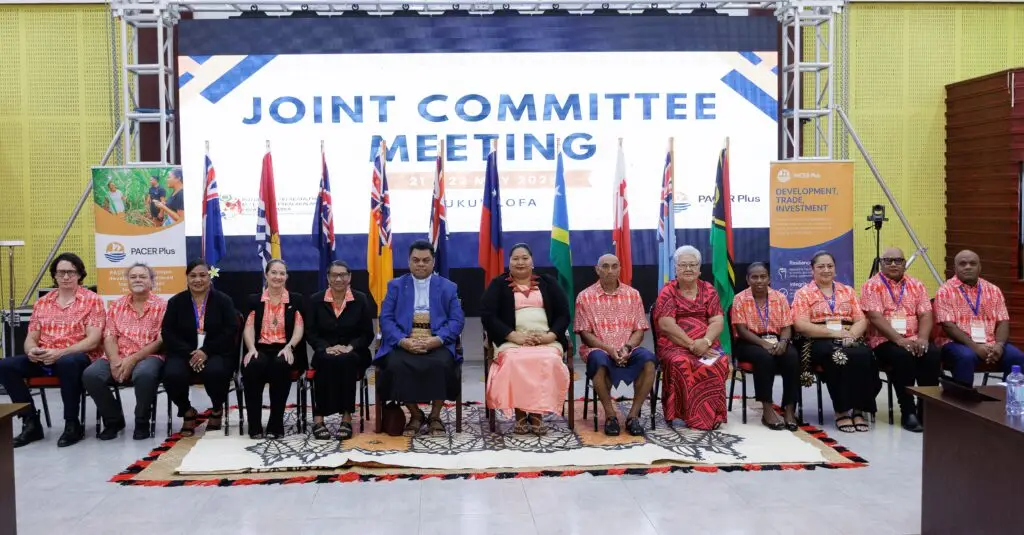
21–22 May 2026 | Fa’onelua Convention Centre, Nuku‘alofa, Tonga NUKU’ALOFA, Tonga – The Tenth Meeting of the PACER Plus Joint Committee concluded on Friday 22 May 2026 in Nuku‘alofa, Tonga, bringing together senior government officials from Australia, Cook Islands, Kiribati, New Zealand, Niue, Samoa, Solomon Islands, Tonga, Tuvalu, and Vanuatu. Chaired by Mrs Distaquaine Tu’ihalamaka, Chief Executive Officer of the Ministry of Trade and Economic Development of Tonga, the two-day meeting provided a crucial platform for Parties to review progress, set key priorities, and continue to strengthen regional economic integration. Tonga also Chaired the PACER Plus Budget Committee meeting, which was held earlier in the week, prior to the Joint Committee session. Senior government officials from the ten PACER Plus Parties gathered in Nuku’alofa, Tonga for the Tenth PACER Plus Joint Committee Meeting. Minister of Internal Affairs for the Kingdom of Tonga, the Hon. Fane Fituafe, provided a keynote address, noting the significance of today’s meeting for Tonga, as the Depositary of the PACER Plus, as the country where the Agreement was signed prior to ratification. The importance of PACER Plus in achieving real benefits for the Pacific was highlighted, noting that development should remain at the centre of this work. Minister Fituafe also noted that clarity, purpose and partnership were three key pillars necessary for PACER Plus l Parties to achieve results. Keynote address by Minister of Internal Affairs for the Kingdom of Tonga, the Hon. Fane Fituafe Chair of the Joint Committee Mrs Tu’ihalamaka, said: “Today’s meeting is an opportunity to reconnect, exchange experiences and strengthen relationships which support our collective work. PACER Plus is far more than a trade agreement – it is a vital tool for economic resilience. This Joint Committee meeting is focused squarely on execution, ensuring that every dollar invested is traceable to real outcomes for people.” The Phase II Implementing Arrangement for Development and Economic Cooperation (DEC) under PACER Plus for the period 2026–2030, signed by PACER Plus Ministers in November 2025 includes a joint funding commitment of AUD 31.4 million from Australia and New Zealand. This funding enables the delivery of the DEC Work Programme, which is designed to support Pacific Island countries in building trade capacity, strengthening industries, and overcoming barriers to economic growth. It also provides targeted assistance in areas such as export development, trade facilitation, and skills training, ensuring that Pacific Parties can fully benefit from regional and global trade opportunities. Mr Roy Lagolago, Head of the PACER Plus Implementation Unit Mr Roy Lagoalgo, Head of the PACER Plus Implementation Unit (PPIU): “The 2026-2030 Work Programme reflects the priorities expressed by Parties. The PPIU is purpose-built to support Pacific members’ trade priorities. We work closely with Parties to understand their needs and develop targeted activities to address practical challenges – whether in SPS compliance for agricultural exporters, customs modernisation, or skills development for labour mobility. “ The meeting approved the Monitoring, Evaluation and Learning Adaptation (MELA) Logical Framework 2026-30, which sets out seven medium-term outcomes across the Agreement’s core areas. The meeting also approved the Development and Economic Cooperation Work Programme Phase II 2026-2030 and discussed the Strategic Plan for 2026-30, including its strategic focus and approach to prioritisation, sequencing and results-based delivery. Discussions emphasised the importance of regional cooperation and the role that advocacy plays in supporting regional cooperation and partnerships. Discussions emphasised the need to sharpen the focus of activities on export development, strengthen value chain, reduce shipping and logistics costs, and deliver more targeted skills development. Joint Committee also underscored the importance of private sector engagement, digital trade as a key economic driver, and stressed the need to align the strategic priorities with measurable 2030 targets under the MELA Framework. Parties reaffirmed PACER Plus as a vital mechanism for regional economic integration, in line with the 2050 Strategy for the Blue Pacific Continent. Expanding membership remains a key priority, with commitments to advocate for new members to join the Agreement. The Joint Committee is the principal decision-making body under the PACER Plus and plays a central role in ensuring cooperation initiatives and development support deliver tangible and sustainable benefits for the region. More articles like this one
Tenth Meeting of the PACER Plus Joint Committee
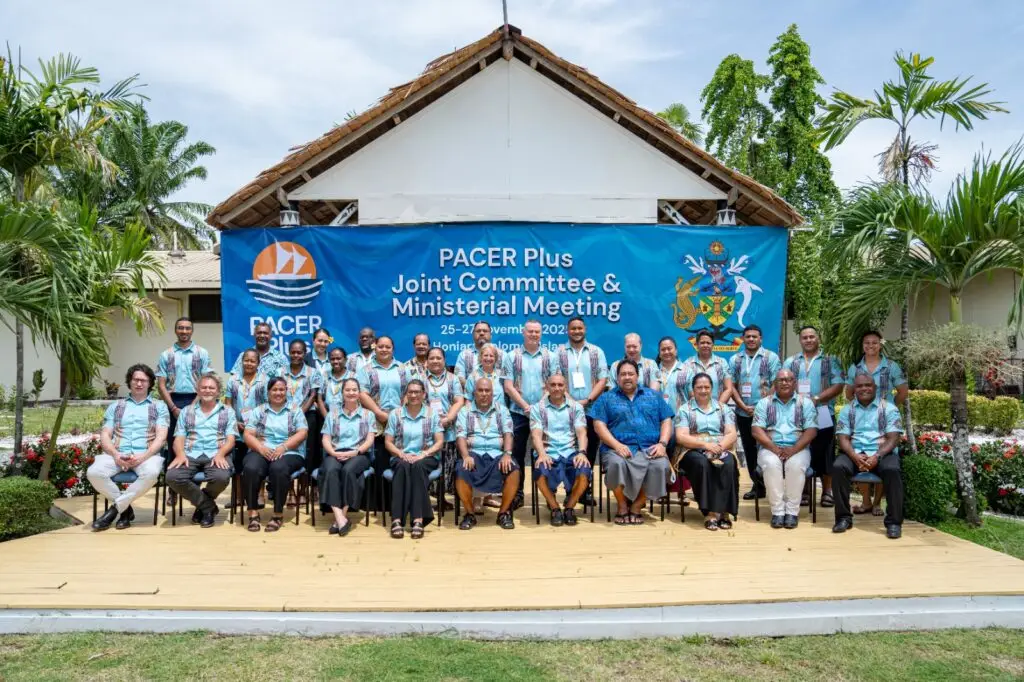
21–22 May 2026 | Fa’onelua Convention Centre, Nuku‘alofa, Tonga The Tenth Meeting of the PACER Plus Joint Committee will take place on 21–22 May 2026 in Nuku‘alofa, Tonga, chaired by Mrs Distaquaine Tu’ihalamaka, Chief Executive Officer of the Ministry of Trade and Economic Development of Tonga. Tonga will also Chair the PACER Plus Budget Committee meeting that will be held earlier in the week. At their previous meeting in Honiara, Solomon Islands, in November 2025, PACER Plus Ministers signed the Phase II Implementing Arrangement for Development and Economic Cooperation under PACER Plus for the period 2026–2030. This arrangement confirmed the strategic objectives for the next five-year phase and secured a joint funding commitment of AUD 31.4 million from Australia and New Zealand to support development and economic cooperation initiatives. A central focus of the meeting will be consideration of the Monitoring, Evaluation, Learning and Adaptation (MELA) Logframe, which provides the framework for measuring and strengthening PACER Plus outcomes and impacts. Members will also review and provide guidance on the Development and Economic Cooperation Work Programme 2026–2030, aimed at supporting capacity building, trade-related assistance, and inclusive economic development across PACER Plus Parties over the next five years. The Work Programme will be funded and managed through the AUD 31.4 million contribution from the Australian and New Zealand governments. Chair of the Joint Committee, Mrs Tu’ihalamaka, said: “This meeting is particularly significant for Tonga as the Depositary of the PACER Plus, and the country where the Agreement was signed prior to ratification. Over the past five years, we have recorded good progress in the implementation of the Work Programme by the PACER Plus Implementation Unit (PPIU) and have learnt important lessons. As we look ahead, this meeting reaffirms our commitment to upholding the integrity of PACER Plus, and ensuring its effective implementation delivers meaningful benefits for all Parties.” Mr Roy Lagoalgo, Head of the PACER Plus Implementation Unit (PPIU), emphasised the importance of the discussions in preparing for the next phase of implementation: “As PACER Plus moves towards the commencement of Phase 2 of Work Programme on 1 July 2026, it is critical that we set the foundations right. Agreement on the MELA Framework and DEC Work Programme ensures that implementation is well‑sequenced, responsive to members’ priorities, and delivers measurable results from the outset of the 2nd phase.” The Joint Committee is the principal decision‑making body under the PACER Plus and plays a central role in ensuring cooperation initiatives and development support deliver tangible and sustainable benefits for the region. More articles like this one
PACER Plus Contact Point Database
Functions Australia Cook Islands Kiribati New Zealand Niue Samoa Solomon Islands Tonga Tuvalu Vanuatu Role Function PACER Plus National Focal Point – Joint Committee Senior Official Member of the PACER Plus Governing Body, Institutional Provisions, Development and Economic Cooperation Budget Committee Oversight of PPIU operations and implementation of the DEC Work Programme and budget and other functions and tasks as directed by the Joint Committee Contact Point for Trade in Goods, RoO and Customs Procedures Review the implementation of, and measures taken pursuant to, the Chapters 2, 3 and 4. Contact Point for Sanitary and Phytosanitary Measures Review the implementation of, and measures taken pursuant to, the Chapters 5. Contact Point for Technical Barriers to Trade Review the implementation of, and measures taken pursuant to, the Chapters 6. Contact Point for Trade in Services and Movement of Natural Persons Review the implementation of, and measures taken pursuant to, the Chapters 7 and 8. Contact Point for Investment Review the implementation of, and measures taken pursuant to, the Chapters 9. Contact Point for Labour Mobility Review and implementation of the Arrangement on Labour Mobility JOINT COMMITTEE & SUBSIDIARY BODIES ROLE NAME TITLE MINISTRY CONTACT PHONE EMAIL 1 Joint Committee National Focal Point / Senior Official Mr Andrew Cumpston Assistant Secretary, Pacific Economic and Trade Branch Department of Foreign Affairs and Trade +61 466 525 677 andrew.cumptson@dfat.gov.au Alternate Mr Ashley Vines Acting Director, Pacific Economic and Trade Branch Department of Foreign Affairs and Trade +61 491 915 130 Ashley.Vines@dfat.gov.au Alternate Ms Daniele Northcott Assistant Director, Pacific Economic and Trade Branch Department of Foreign Affairs and Trade +61 401 423 637 daniele.Northcott@dfat.gov.au Alternate Ms Cassandra Oaten Assistant Director, Pacific Economic and Trade Branch Department of Foreign Affairs and Trade +61 421 544 313 Cassandra.Oaten@dfat.gov.au 2 Budget Committee Contact Point Mr Ashley Vines Acting Director, Pacific Economic and Trade Branch Department of Foreign Affairs and Trade +61 491 915 130 Ashley.Vines@dfat.gov.au Alternate Contact Point Ms Cassandra Oaten Assistant Director, Pacific Economic and Trade Branch Department of Foreign Affairs and Trade +61 421 544 313 Cassandra.Oaten@dfat.gov.au Alternate Contact Point Ms Daniele Northcott Assistant Director, Pacific Economic and Trade Branch Department of Foreign Affairs and Trade +61 401 423 637 daniele.Northcott@dfat.gov.au 3 Trade in Goods, RoO & Customs Procedures Contact Point 4 Sanitary and Phytosanitary Measures Contact Point Mr Avi Baskar Assistant Director, Pacific Economic and Trade Branch Department of Foreign Affairs and Trade +61 478 264 783 avi.baskar@dfat.gov.au Alternate Contact Point Ms Susan Harcastle Assistant Director Department of Agriculture, Fisheries and Forestry susan.hardcastle@aff.gov.au Alternate Contact Point Ms Daniele Northcott Assistant Director, Pacific Economic and Trade Branch Department of Foreign Affairs and Trade daniele.Northcott@dfat.gov.au Alternate Contact Point Ms Cassandra Oaten Assistant Director, Pacific Economic and Trade Branch Department of Foreign Affairs and Trade +61 421 544 313 Cassandra.Oaten@dfat.gov.au 5 Technical Barriers to Trade Contact Point Mr Avi Baskar Assistant Director, Pacific Economic and Trade Branch Department of Foreign Affairs and Trade +61 478 264 783 avi.baskar@dfat.gov.au Alternate Contact Point Ms Angela Samuel Director National Measurement Institute of Australia +61 478 264 783 Alternate Contact Point Ms Daniele Northcott Assistant Director, Pacific Economic and Trade Branch Department of Foreign Affairs and Trade daniele.Northcott@dfat.gov.au Alternate Contact Point Ms Cassandra Oaten Assistant Director, Pacific Economic and Trade Branch Department of Foreign Affairs and Trade +61 421 544 313 Cassandra.Oaten@dfat.gov.au 6 Trade in Services & Movement of Natural Persons Contact Point Mr Avi Baskar Assistant Director, Pacific Economic and Trade Branch Department of Foreign Affairs and Trade +61 478 264 783 avi.baskar@dfat.gov.au Alternate Contact Point Ms Daniele Northcott Assistant Director, Pacific Economic and Trade Branch Department of Foreign Affairs and Trade daniele.Northcott@dfat.gov.au Alternate Contact Point Ms Cassandra Oaten Assistant Director, Pacific Economic and Trade Branch Department of Foreign Affairs and Trade +61 421 544 313 Cassandra.Oaten@dfat.gov.au 7 Investment Contact Point Mr Avi Baskar Assistant Director, Pacific Economic and Trade Branch Department of Foreign Affairs and Trade +61 478 264 783 avi.baskar@dfat.gov.au Alternate Contact Point Ms Daniele Northcott Assistant Director, Pacific Economic and Trade Branch Department of Foreign Affairs and Trade daniele.Northcott@dfat.gov.au Alternate Contact Point Ms Cassandra Oaten Assistant Director, Pacific Economic and Trade Branch Department of Foreign Affairs and Trade +61 421 544 313 Cassandra.Oaten@dfat.gov.au 8 Labour Mobility Contact Point Mr Mitchell Launder Senior Policy Officer, Pacific Economic and Trade Branch Department of Foreign Affairs and Trade mitchell.launder@dfat.gov.au Alternate Contact Point Mr Avi Baskar Assistant Director, Pacific Economic and Trade Branch Department of Foreign Affairs and Trade +61 478 264 783 avi.baskar@dfat.gov.au Alternate Contact Point Ms Daniele Northcott Assistant Director, Pacific Economic and Trade Branch Department of Foreign Affairs and Trade daniele.Northcott@dfat.gov.au Alternate Contact Point Ms Mari Adams Assistant Director, Labour Mobility Branch Department of Foreign Affairs and Trade Mari.Adams@dfat.gov.au JOINT COMMITTEE & SUBSIDIARY BODIES ROLE NAME TITLE MINISTRY CONTACT PHONE EMAIL 1 Joint Committee National Focal Point / Senior Official Mr Jim Armistead Director, International and Trade Affairs Division Ministry of Foreign Affairs and Immigration +682 29347 jim.armistead@mfai.gov.ck Alternate Ms Teremoana Fukofuka Foreign Service Officer, International and Trade Affairs Division Ministry of Foreign Affairs and Immigration +682 72885 teremoana.fukofuka@mfai.gov.ck 2 Budget Committee Contact Point Mr Jim Armistead Director, International and Trade Affairs Division Ministry of Foreign Affairs and Immigration +682 29347 jim.armistead@mfai.gov.ck Alternate Contact Point Ms Teremoana Fukofuka Foreign Service Officer, International and Trade Affairs Division Ministry of Foreign Affairs and Immigration +682 72885 teremoana.fukofuka@mfai.gov.ck 3 Trade in Goods, RoO & Customs Procedures Contact Point Ms Maria Matua-Ioane Chief of Customs, ASYCUDA World Tariff/Procedure Specialist, Revenue Management Division Ministry of Finance and Economic Management 68229510 maria.matua@cookislands.gov.ck Alternate Contact Point Ms Elizabeth Tetaru Senior Customs Officer – Trade and Revenue Assurance, Revenue Management Division Ministry of Finance and Economic Management 68229365 elizabeth.tetauru@cookislands.gov.ck Alternate Contact Point Ms Teremoana Fukofuka Foreign Service Officer, International and Trade Affairs Division Ministry of Foreign Affairs
PACER Plus Strategic Planning Workshop and First In Person Subsidiary Committee Meetings Held in Samoa
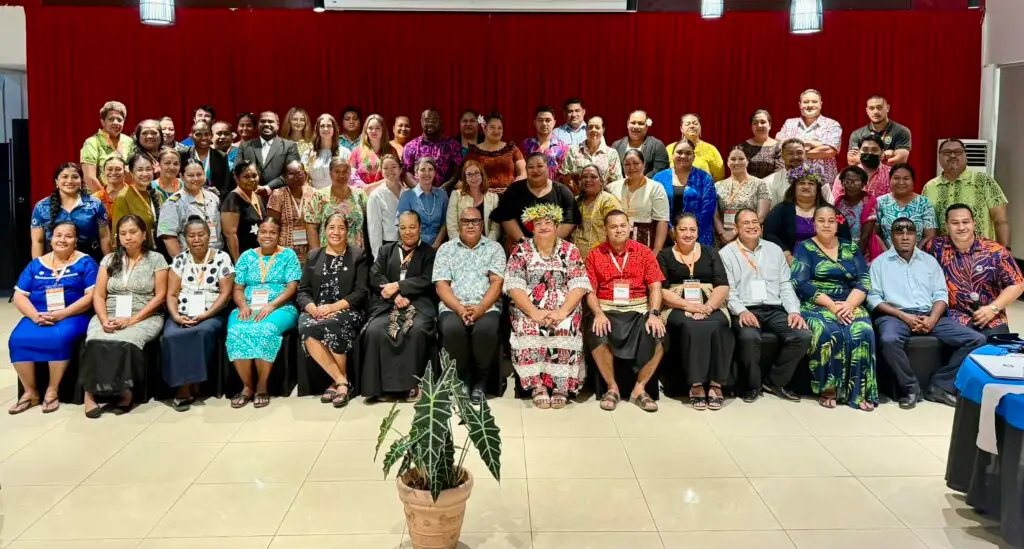
PACER Plus Parties are meeting in Apia this week for a Strategic Planning Workshop and a series of Subsidiary Committee meetings, bringing together officials from across the Pacific, Australia and New Zealand to progress regional trade and development priorities for the next cycle of PACER Plus. The meetings build on extensive country consultations undertaken across PACER Plus Parties between February and March 2026, during which governments, agencies and stakeholders provided input on national priorities, implementation challenges, and areas for future cooperation. Outcomes from those consultations are now being considered collectively at the regional level to help shape the next phase of PACER Plus implementation. The programme commenced with a Strategic Planning Workshop on 20–21 April 2026, focused on the development of the Development and Economic Cooperation (DEC) Work Programme for 2026–2030. The workshop provided an opportunity for national focal points and component contact points to review the draft DEC framework, discuss strategic priorities, and assess proposed projects to ensure they reflect country needs, regional priorities, and agreed PACER Plus outcomes. Participants also reviewed the PACER Plus Monitoring, Evaluation, Learning and Adaptation (MELA) Logical Framework for 2026–2030, which sets out a results‑based approach to guide implementation over the next five years. Discussions emphasised practical cooperation in key areas including trade facilitation, customs procedures, sanitary and phytosanitary measures, technical barriers to trade, services, investment and labour mobility, with a strong focus on delivering tangible benefits for Pacific economies, businesses and communities. Following the workshop, PACER Plus Subsidiary Committee meetings will be convened 22–24 April 2026, covering: Trade in Goods, Rules of Origin and Customs Procedures. Sanitary and Phytosanitary Measures and Technical Barriers to Trade. Trade in Services and the Movement of Natural Persons. Labour Mobility and associated arrangements. These meetings are particularly significant, representing the first in‑person convening of PACER Plus Subsidiary Committees and strengthening relationships among officials while enabling more detailed, solution‑focused technical discussions. More than 60 participants from PACER Plus Parties are attending the meetings in Apia, Samoa hosted at the Tanoa Tusitala Hotel and PPIU facilities. Discussions are expected to confirm priority activities for the 2026–2027 Annual Plan, guide the finalisation of the DEC Work Programme, and support coordinated, effective implementation of PACER Plus across the region. PACER Plus Parties reaffirmed their shared commitment to working together in partnership, strengthening regional integration, and ensuring that PACER Plus continues to support sustainable development, inclusive growth and economic resilience for Pacific countries. More articles like this one
Cook Islands Reviews PACER Plus Implementation and Sets Priorities for Phase 2
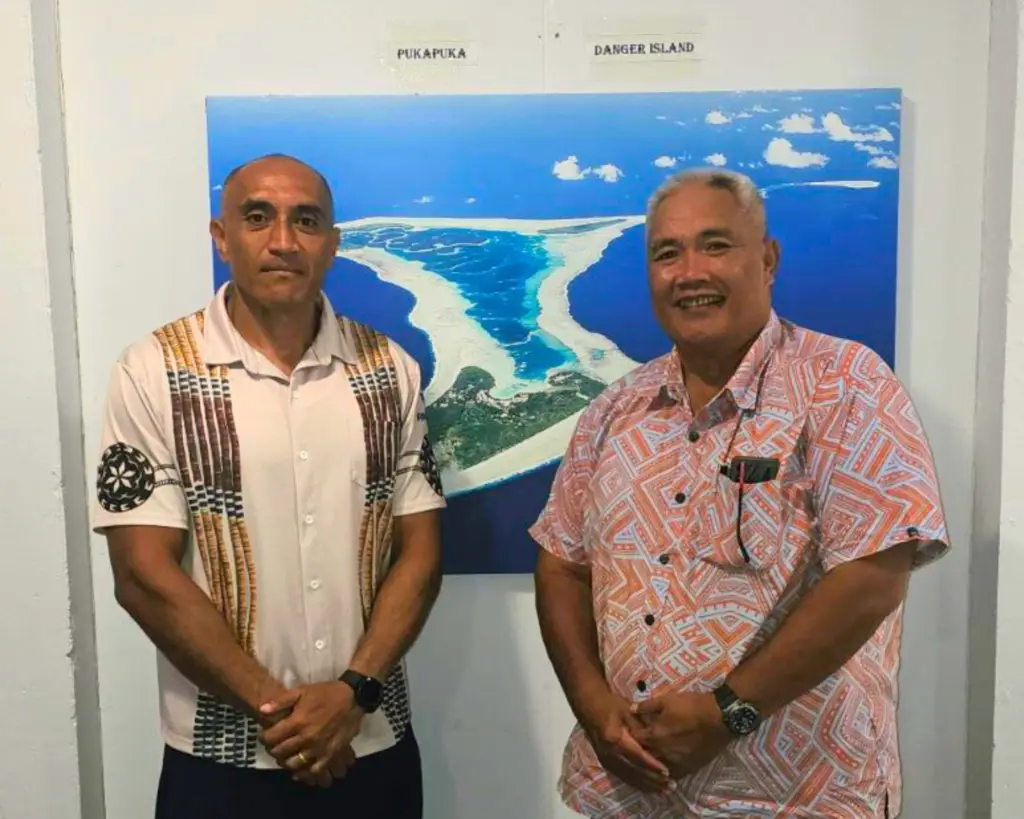
RAROTONGA, Cook Islands — As the Pacific Agreement on Closer Economic Relations Plus (PACER Plus) enters Phase 2 of implementation (2025-2030), the Government of the Cook Islands, in collaboration with the PACER Plus Implementation Unit (PPIU), has undertaken national consultations to review progress under the Agreement and identify priorities for the next phase of implementation. Held from 1-6 March, in Avarua, Rarotonga, the consultations brought together PACER Plus contact points and government departments responsible for implementing key areas of the Agreement, including Rules of Origin, Customs Procedures, Sanitary and Phytosanitary (SPS) Measures, Technical Barriers to Trade (TBT), Trade in Services, Temporary Movement of Natural Persons, Investment, and Labour Mobility. PPIU team meets with officials in Cook Islands as part of in-country consultations to help shape the 2026-2030 DEC Work Programme. The consultations focused on assessing the Cook Islands’ progress in implementing the Agreement using the PACER Plus Implementation Trackers. The Trackers are a monitoring tool used to evaluate how national laws, policies, and institutional systems align with the Agreement’s commitments. They help identify implementation strengths, gaps, and capacity needs, supporting targeted technical assistance and improved utilisation of the Agreement. After the first five years of PACER Plus implementation, the Cook Islands is now positioned to build on key achievements to date and leverage the Agreement to better support trade outcomes and sustainable economic development for the country. Elizabeth Wright-Koteka, Secretary of Ministry of Foreign Affairs and Immigration and PACER Plus Focal Point, said the consultations confirmed that the Cook Islands has made significant progress in implementing the Agreement. “Preliminary findings show that the Cook Islands has established strong legal and institutional foundations for PACER Plus implementation, particularly in areas such as Customs Procedures, Rules of Origin, and services regulation. These systems are supported by modern customs platforms and transparent regulatory frameworks that facilitate trade and investment.” Elizabeth Wright-Koteka, Secretary of Ministry of Foreign Affairs and Immigration Mr. Roy Lagolago, Head of PPIU (left), meets with Hon. Tingika Elikana, Minister of Foreign Affais and Immigration in Cook Islands. “At the same time, the consultations highlighted opportunities to further strengthen implementation in areas such as sanitary and phytosanitary measures and technical barriers to trade, enhance investment promotion and facilitation, and improve coordination across agencies involved in trade and labour mobility,” said Ms. Wright-Koteka. The outcomes of the consultations help guide national priorities for Phase 2 of PACER Plus (2025-2030) and project proposals for the FY2026-2027 PACER Plus Annual Plan. -ENDS- More articles like this one
Building the Legal Foundations for Digital Payments in Tonga

Across the Pacific, digital financial services are rapidly transforming the way people send money, make payments, and access financial services. For Tonga, where remittances form a vital part of household income and economic activity, secure and reliable payment systems are essential. As digital payments grow in importance, countries must ensure their legal and regulatory frameworks keep pace with new technologies. Recognising this need, the PACER Plus Implementation Unit (PPIU) partnered with the National Reserve Bank of Tonga (NRBT) to support the development of the Tonga Payment Systems and Services Bill 2025. The initiative represents a significant step toward strengthening Tonga’s financial infrastructure and building the legal foundations needed to support a modern digital economy. Digital payment services are expanding across Tonga, creating new opportunities for financial inclusion and economic participation. In recent years, Tonga has seen growing use of electronic payments, mobile money services, and digital remittance platforms. These innovations create new opportunities for financial inclusion and economic participation. However, before this project began, Tonga did not have a comprehensive legal framework governing electronic payment systems and digital financial services. This gap created several challenges. While banks and licensed money transfer operators were subject to oversight, informal remittance channels and unregistered payment services operated with limited regulation. Existing legislation also did not adequately address emerging issues such as cybersecurity risks, data protection, and the interoperability of digital payment platforms. Without a modern regulatory framework, it was increasingly difficult for regulators to supervise payment service providers effectively and ensure consumer protection in an evolving financial landscape. To address these challenges, PACER Plus supported a technical consultancy to assist Tonga in developing a modern legal framework for electronic payment systems and services. “Developing a modern legal framework for payment systems is a key step toward strengthening Tonga’s digital economy and ensuring that financial innovation takes place within a safe and trusted environment.” The work began in April 2024 with a detailed assessment of Tonga’s payment ecosystem. This included legal analysis of existing legislation, institutional mapping of financial sector stakeholders, and a review of international best practices for payments regulation. The assessment also examined the country’s financial landscape, including the role of commercial banks, microfinance institutions, and the growing importance of digital financial services. Based on these findings, the project moved into a structured legislative drafting process that involved close collaboration with the National Reserve Bank of Tonga, the Ministry of Trade and Economic Development, and technical experts from the World Bank. These consultations ensured the draft legislation reflected both Tonga’s national priorities and internationally recognised standards for payment systems regulation. The resulting Payment Systems and Services Bill 2025 introduces a comprehensive framework for regulating digital payments and financial technology in Tonga. The proposed legislation establishes clear rules for the licensing and supervision of payment service providers, including fintech operators and electronic money issuers. It also introduces safeguards to protect consumers and strengthen the resilience of Tonga’s financial system. Key features of the bill include: Licensing requirements for payment service providers Regulation of electronic money issuance and redemption Consumer protection measures and dispute resolution mechanisms Cybersecurity and operational risk management standards Enhanced oversight powers for the National Reserve Bank of Tonga Together, these measures aim to ensure digital payment services operate safely, transparently, and in the interests of consumers. Digital financial services are expanding access to financial tools for individuals and businesses in Tonga. The legislation also supports innovation within Tonga’s financial sector. By introducing flexible regulatory mechanisms, such as the registration of low-risk fintech providers, the framework encourages the development of new financial technologies while maintaining appropriate oversight. This approach helps balance innovation with financial stability, allowing Tonga’s digital payments ecosystem to grow in a secure and inclusive manner. In April 2025, the final legislative package, including the draft bill, explanatory notes, and an implementation roadmap, was submitted to the National Reserve Bank of Tonga and the Ministry of Trade and Economic Development. Once enacted, the legislation will provide Tonga with the regulatory tools needed to oversee payment service providers, protect consumers, and support the continued development of digital financial services. -ENDS- More articles like this one
Strengthening Samoa’s Biosecurity Systems
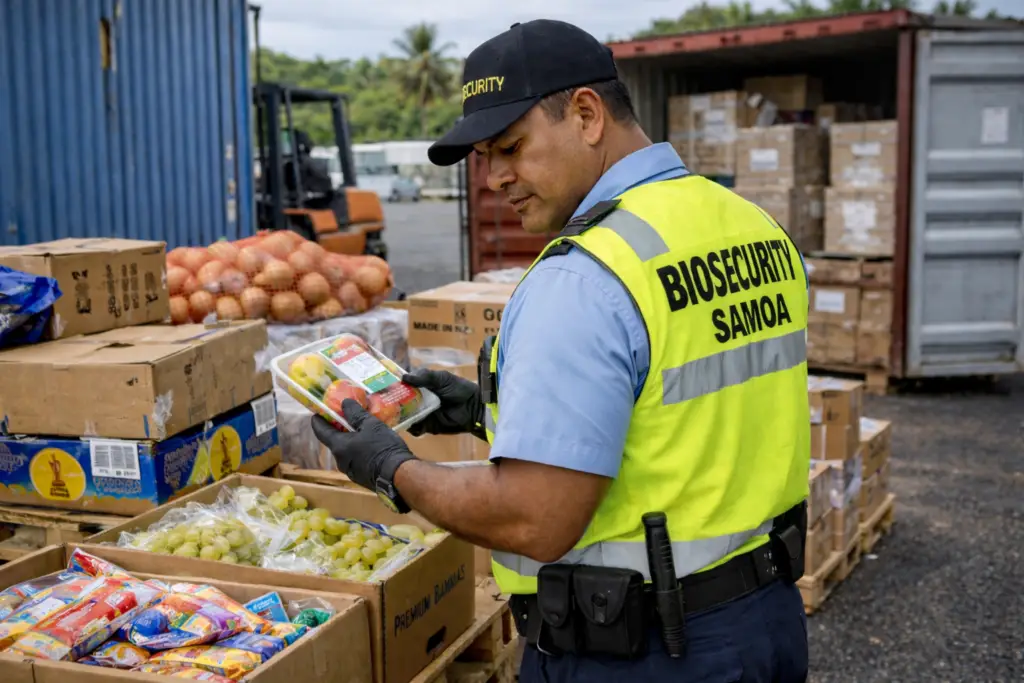
Every day, ships and aircraft bring goods into Samoa from around the world. These shipments carry everything from food and agricultural products to machinery, construction materials, and consumer goods. While trade is essential for Samoa’s economy, it also brings risks. Invasive pests, plant diseases, and animal health threats can arrive at the country’s borders hidden within cargo, posing serious dangers to agriculture, ecosystems, and public health. For Samoa’s Biosecurity Division within the Ministry of Agriculture and Fisheries, managing these risks is part of a complex daily operation. Officers inspect cargo, issue import permits, process quarantine certificates, and monitor compliance with international biosecurity standards. Behind these activities sits an important digital tool that has quietly supported this work for nearly two decades: the Samoa Quarantine Information Database, better known as the SQUID system. Today, with support from PACER Plus, Samoa is taking an important step toward modernising this system to ensure it continues protecting the country’s borders while facilitating safe and efficient trade. Inspections help prevent invasive pests and diseases from entering Samoa. The SQUID system was introduced in 2006 to help biosecurity officers manage quarantine processes and maintain records for imports, inspections, and certification. The system plays a crucial role in Samoa’s border management and supports the country’s obligations under international trade standards, including the World Trade Organisation’s Sanitary and Phytosanitary (SPS) Agreement. Through SQUID, officers record information about cargo arrivals, issue permits and certificates, and track inspections of goods entering Samoa. These processes help ensure that imported products comply with national regulations designed to prevent harmful pests and diseases from entering the country. Over the years, the system has become the technological backbone of Samoa’s biosecurity operations. However, like many long-standing systems, it has begun to show its age. Built using Microsoft Access 2007, the platform relies on software that is no longer supported by modern operating systems. This creates challenges for security, compatibility, and performance. The system also operates primarily from a single location, meaning biosecurity officers working at remote ports of entry often need to rely on manual processes before data can be entered into the central system. “The SQUID platform is a critical part of Samoa’s biosecurity system, helping ensure that goods entering the country meet quarantine standards and protect Samoa’s agriculture and environment.” These limitations not only slow down daily workflows but also highlight the need for a modern digital solution that can keep pace with Samoa’s evolving biosecurity requirements. Recognising the importance of strong biosecurity systems for safe trade, the PACER Plus Implementation Unit supported a comprehensive review of the SQUID platform. The review examined the system’s architecture, security, infrastructure, and operational workflows. It also assessed how the system could be modernised to better meet the needs of biosecurity officers and improve the efficiency of border processes. The findings confirmed that while the existing system continues to function, it requires significant upgrades to address cybersecurity vulnerabilities, outdated technologies, and operational inefficiencies. The review therefore recommended developing a modern web-based platform supported by secure cloud infrastructure. Such a system would allow biosecurity officers to access the platform from multiple devices and locations, while strengthening security and improving overall performance. Importantly, the new system would connect key biosecurity locations across Samoa, including Matautu Wharf, Faleolo International Airport, and Fagalii Airport, allowing officers to enter and access data in real time. 27% faster permit processing T43% faster certificate processingT1,150+ hours saved annuallyT Beyond improving system security, the new platform is expected to deliver tangible operational benefits. Currently, processing an import permit takes an average of around eleven minutes, while issuing a certificate requires approximately seven minutes. With a modernised digital system, these processes are expected to become significantly faster, reducing permit processing times to around eight minutes and certificate processing times to approximately four minutes. While these time savings may appear small on an individual transaction, they add up across hundreds of monthly processes. Overall, the improved system is projected to save more than 1,150 hours of staff time each year, allowing biosecurity officers to focus more on inspection and compliance activities that protect Samoa’s borders. The upgraded platform will also strengthen cybersecurity protections, introduce modern password and data security policies, and enable more reliable backup and recovery systems. Strong biosecurity systems play a vital role in protecting Samoa’s economy and environment. Agriculture remains an important part of Samoa’s livelihood and food security. At the same time, the country’s pristine natural environment and marine ecosystems underpin its tourism industry. Preventing the introduction of invasive pests and diseases is therefore critical to safeguarding these national assets. By improving the digital systems that support quarantine and inspection processes, PACER Plus is helping Samoa strengthen its capacity to manage these risks while ensuring trade continues to flow efficiently. ….. The modernisation of the SQUID system represents more than just a technology upgrade. It reflects a broader commitment to building stronger trade systems and modern regulatory infrastructure in the Pacific. With a secure and connected digital platform, Samoa’s biosecurity officers will be better equipped to monitor goods entering the country, respond to emerging threats, and meet international trade obligations. As trade continues to expand across the region, investments in systems like SQUID help ensure that Pacific economies can grow while protecting their unique environments and communities. Through targeted technical support such as this system review, PACER Plus continues to support Pacific Island countries in strengthening the institutions and infrastructure that underpin safe and sustainable trade. -ENDS- More articles like this one
Vanuatu graduate ventures into online business
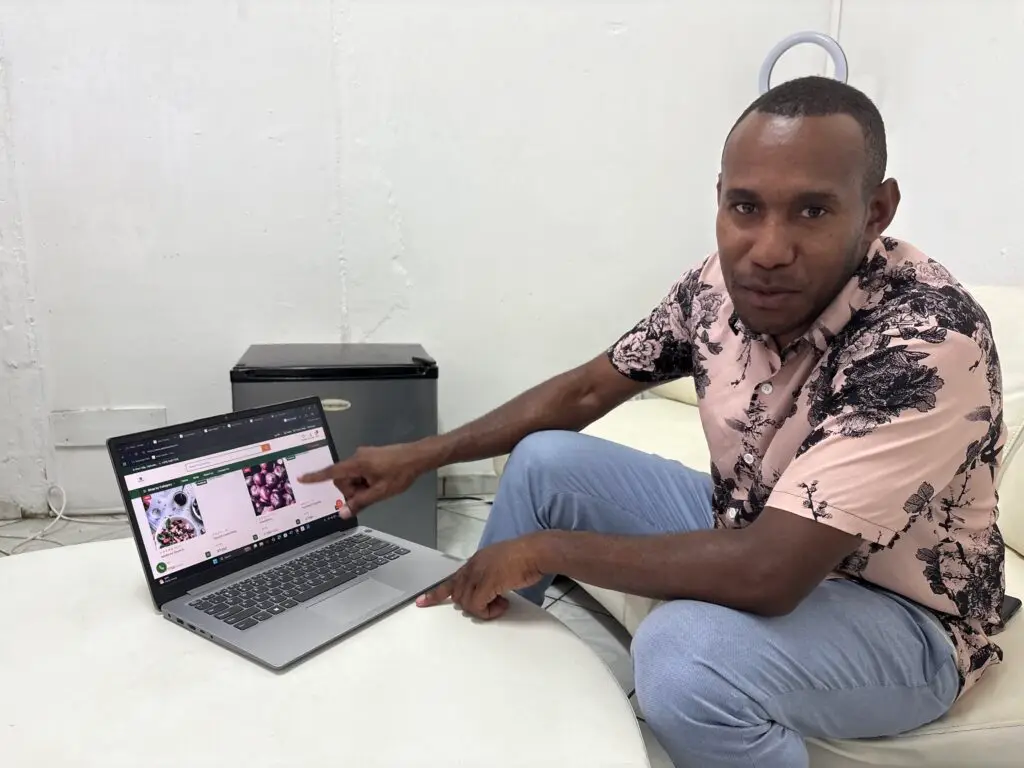
PORT VILA, Vanuatu — A young entrepreneur from Vanuatu is redefining what employment can look like after university. Instead of seeking a traditional job, Rexta Abraham, an economics and business graduate from the University of the South Pacific, is building his own opportunities through online business, also thanks to what he learnt at the Training Workshop component of the Pacific Island Forum Secretariat’s (PIFS) E‑Biz program which was funded by the Pacific Agreement on Closer Economic Relations Plus or PACER Plus. From Sarete Village in Espiritu Santo, Rexta first came across the program through a Facebook advert and applied mostly out of curiosity. Though he was not new to business and entrepreneurship, the training opened his eye to something new: how e‑commerce can expand reach, reduce marketing costs, and help him find clients faster. When asked to share his testimony about the E-Biz training program, Rexta explained: “I had planned to start a business in Port Vila and import second-hand clothes to resell here. However, after taking the course, I discovered two things: first, the power of the internet when used correctly to create business opportunities; and second, how effective it is to reach customers through digital marketing without needing to leave my home.” Rexta Abraham Rexta Abraham is building his own opportunities through online business. Just a year after completing the course, Rexta has already set up two growing businesses: 1. Aelan Basket (under development) An online shopping platform designed to connect customers with key supermarkets in Vanuatu. It will also allow drop‑shipping from platforms such as Alibaba and Shein. Drop-shipping is a business model where you can sell products online without keeping any stock. When someone buys from you, you place the order with a supplier, and the supplier ships the item straight to the customer. The service is especially useful for seasonal workers abroad, giving them a simple way to shop for their families back home from abroad, cutting down on remittance misuse, saving time, and ensuring essential items reach households directly. 2. City Cars Vanuatu (operational via Facebook) An online marketplace for second‑hand vehicle set up in late 2025 and with already over 11,000 followers. Currently, it is operating on Facebook only. To date, the company has sold, on average, three vehicles per month. The business targets both domestic buyers and Ni‑Vanuatu living abroad who want a trusted seller for vehicles in country. Rexta Abraham has set up Aelan Basket, an online shopping platform designed to connect customers with key supermarkets in Vanuatu. Rexta is currently in discussion with the two telecommunication companies in Vanuatu to integrate both his business platforms with mobile payment solutions, namely M-Vatu (Vodafone) and MyCash (Digicel). Allowing customer payments via mobile wallet addresses two common barriers: the limited number of people in Vanuatu who own a Visa card and the lack of trust in buying goods online. By using familiar mobile wallets and having a physical presence in Vanuatu, he hopes to reduce perceived risks and increase consumer confidence to buying online. The PIFS E-Biz Plus program aims at supporting MSMEs in starting their business journey online, and Rexta’s experience is a powerful testament to what the program aims to positively impact. It demonstrates how digital skills can open new opportunities for youth, foster innovation and contribute to Vanuatu’s growing digital economy. The implementation of the PIFS E-Biz Plus program was kindly supported by the PACER Plus Implementation Unit. Story and images provided by PIFS E-Biz Plus Program More articles like this one
Pacific consultations underway to shape PACER Plus 2026-2030 Work Programme

APIA, Samoa – The PACER Plus Implementation Unit (PPIU) has begun a series of in country consultations with its member Parties from 2 February to 20 March 2026. The consultations will inform the development of the 2026-2030 Development and Economic Cooperation (DEC) Work Programme, ensuring it aligns with national priorities and supports effective implementation of PACER Plus. The PPIU team is visiting all ten member Parties to PACER Plus, Australia, Cook Islands, Kiribati, New Zealand, Niue, Samoa, Solomon Islands, Tonga, Tuvalu and Vanuatu, to gather baseline data, identify priorities, and confirm areas where support is most needed. PPIU team in discussion this week with officials in Honiara, Solomon Islands, during consultations to identify national priorities for the 2026-2030 Work Programme. Consultations in Tonga and Kiribati have already been completed, with meetings underway this week in Solomon Islands and Vanuatu. A key focus of the consultations is strengthening Monitoring, Evaluation, Learning and Adaptation (MELA) systems through the MELA Logical Framework. This framework enables member Parties to track delivery, measure results, and ensure activities under the Work Programme contribute directly to implementation of PACER Plus. To support this, the PPIU is working with each country’s National Focal Point and Component Contact Points to update the PACER Plus Implementation Tracker, a structured data collection tool that helps countries record progress, establish baselines, and set practical targets through to 2030. The baseline assessments will guide the identification of priority areas in the first Annual Plan for 2026-2027. PPIU team meets with officials in Kiribati as part of in-country consultations to help shape the 2026-2030 DEC Work Programme. Head of the PPIU, Roy Lagolago, said the consultations are grounded in setting the right foundations for the next four years: “While this might be a lot of work, getting the foundations right from the start is vital. The PPIU is a member driven organisation and the voice of all our members are important to us. These consultations allow us to sit down with each member to understand their priorities and agree on clear targets for the next four years. We want the 2026–2030 Work Programme to be practical, measurable, and genuinely useful to our members.” He added that strengthening monitoring and compliance systems will give members clearer evidence of progress and impact. “As we move into this new phase under the DEC Arrangement, our focus is on results not just activities but real outcomes that support trade, economic growth, and development across the Pacific.” Roy Lagolago, Head of PPIU The PPIU will finalise baseline assessments following the consultations, with the draft 2026–2030 Work Programme to be presented to PACER Plus members at the next Joint Committee meeting to be held in Tonga in May 2026. -ENDS- More articles like this one