
Cook Islands Reviews PACER Plus Implementation and Sets Priorities for Phase 2
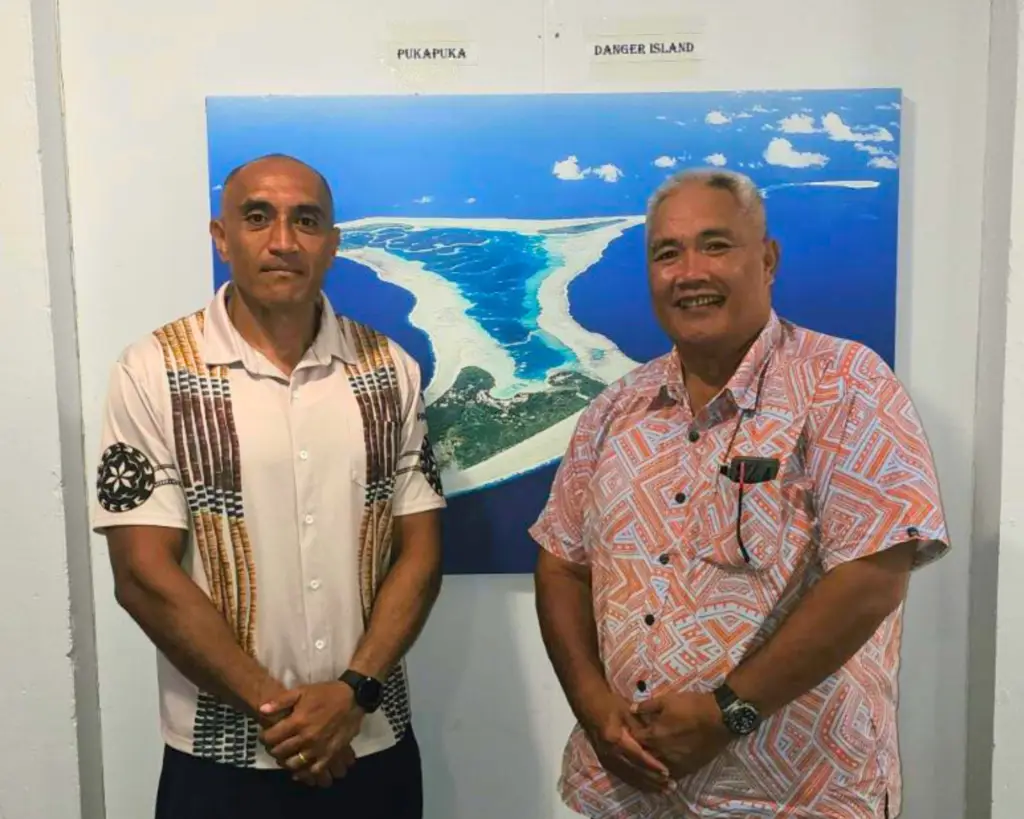
RAROTONGA, Cook Islands — As the Pacific Agreement on Closer Economic Relations Plus (PACER Plus) enters Phase 2 of implementation (2025-2030), the Government of the Cook Islands, in collaboration with the PACER Plus Implementation Unit (PPIU), has undertaken national consultations to review progress under the Agreement and identify priorities for the next phase of implementation. Held from 1-6 March, in Avarua, Rarotonga, the consultations brought together PACER Plus contact points and government departments responsible for implementing key areas of the Agreement, including Rules of Origin, Customs Procedures, Sanitary and Phytosanitary (SPS) Measures, Technical Barriers to Trade (TBT), Trade in Services, Temporary Movement of Natural Persons, Investment, and Labour Mobility. PPIU team meets with officials in Cook Islands as part of in-country consultations to help shape the 2026-2030 DEC Work Programme. The consultations focused on assessing the Cook Islands’ progress in implementing the Agreement using the PACER Plus Implementation Trackers. The Trackers are a monitoring tool used to evaluate how national laws, policies, and institutional systems align with the Agreement’s commitments. They help identify implementation strengths, gaps, and capacity needs, supporting targeted technical assistance and improved utilisation of the Agreement. After the first five years of PACER Plus implementation, the Cook Islands is now positioned to build on key achievements to date and leverage the Agreement to better support trade outcomes and sustainable economic development for the country. Elizabeth Wright-Koteka, Secretary of Ministry of Foreign Affairs and Immigration and PACER Plus Focal Point, said the consultations confirmed that the Cook Islands has made significant progress in implementing the Agreement. “Preliminary findings show that the Cook Islands has established strong legal and institutional foundations for PACER Plus implementation, particularly in areas such as Customs Procedures, Rules of Origin, and services regulation. These systems are supported by modern customs platforms and transparent regulatory frameworks that facilitate trade and investment.” Elizabeth Wright-Koteka, Secretary of Ministry of Foreign Affairs and Immigration Mr. Roy Lagolago, Head of PPIU (left), meets with Hon. Tingika Elikana, Minister of Foreign Affais and Immigration in Cook Islands. “At the same time, the consultations highlighted opportunities to further strengthen implementation in areas such as sanitary and phytosanitary measures and technical barriers to trade, enhance investment promotion and facilitation, and improve coordination across agencies involved in trade and labour mobility,” said Ms. Wright-Koteka. The outcomes of the consultations help guide national priorities for Phase 2 of PACER Plus (2025-2030) and project proposals for the FY2026-2027 PACER Plus Annual Plan. -ENDS- More articles like this one
Pacific consultations underway to shape PACER Plus 2026-2030 Work Programme

APIA, Samoa – The PACER Plus Implementation Unit (PPIU) has begun a series of in country consultations with its member Parties from 2 February to 20 March 2026. The consultations will inform the development of the 2026-2030 Development and Economic Cooperation (DEC) Work Programme, ensuring it aligns with national priorities and supports effective implementation of PACER Plus. The PPIU team is visiting all ten member Parties to PACER Plus, Australia, Cook Islands, Kiribati, New Zealand, Niue, Samoa, Solomon Islands, Tonga, Tuvalu and Vanuatu, to gather baseline data, identify priorities, and confirm areas where support is most needed. PPIU team in discussion this week with officials in Honiara, Solomon Islands, during consultations to identify national priorities for the 2026-2030 Work Programme. Consultations in Tonga and Kiribati have already been completed, with meetings underway this week in Solomon Islands and Vanuatu. A key focus of the consultations is strengthening Monitoring, Evaluation, Learning and Adaptation (MELA) systems through the MELA Logical Framework. This framework enables member Parties to track delivery, measure results, and ensure activities under the Work Programme contribute directly to implementation of PACER Plus. To support this, the PPIU is working with each country’s National Focal Point and Component Contact Points to update the PACER Plus Implementation Tracker, a structured data collection tool that helps countries record progress, establish baselines, and set practical targets through to 2030. The baseline assessments will guide the identification of priority areas in the first Annual Plan for 2026-2027. PPIU team meets with officials in Kiribati as part of in-country consultations to help shape the 2026-2030 DEC Work Programme. Head of the PPIU, Roy Lagolago, said the consultations are grounded in setting the right foundations for the next four years: “While this might be a lot of work, getting the foundations right from the start is vital. The PPIU is a member driven organisation and the voice of all our members are important to us. These consultations allow us to sit down with each member to understand their priorities and agree on clear targets for the next four years. We want the 2026–2030 Work Programme to be practical, measurable, and genuinely useful to our members.” He added that strengthening monitoring and compliance systems will give members clearer evidence of progress and impact. “As we move into this new phase under the DEC Arrangement, our focus is on results not just activities but real outcomes that support trade, economic growth, and development across the Pacific.” Roy Lagolago, Head of PPIU The PPIU will finalise baseline assessments following the consultations, with the draft 2026–2030 Work Programme to be presented to PACER Plus members at the next Joint Committee meeting to be held in Tonga in May 2026. -ENDS- More articles like this one