
Appointment of new Head of PACER Plus Implementation Unit

Dr Alisi Wenonahlita Kautoke has been appointed Head of the PACER Plus Implementation Unit (PPIU), taking over from Mr Roy Lagolago, who has led the Unit since June 2021. Alisi will guide the continued implementation of PACER Plus, the Pacific region’s most comprehensive trade and investment agreement, working with the Parties’ governments, Pacific business communities and investors to deepen economic integration and cooperation across the region. The appointment was welcomed by the PACER Plus Joint Committee Chair, Mrs Distaquaine Tu’ihalamaka, Chief Executive Officer, Ministry of Trade and Economic Development, Tonga: “The Joint Committee of PACER Plus congratulates Dr Alisi Wenonahlita Kautoke on her elevation to the position of Head of the PPIU. As Chair of the Joint Committee, I look forward to working with her to ensure all PACER Plus members make the most of the Agreement during this next phase. I also wish to pay tribute to the outgoing Mr Roy Lagolago, for his significant contribution and leadership as Head of the PPIU.” Speaking on her appointment, Alisi said: “It is truly an honour to be given the opportunity to lead the PACER Plus Implementation Unit and to serve the Pacific region in this role. I look forward to working closely with our Parties, partners and stakeholders to ensure PACER Plus delivers real opportunities for businesses, workers and communities across the Pacific. My commitment is to listen, collaborate and deliver practical results, so that together we can translate the opportunities of PACER Plus into stronger economies and lasting benefits for our people.” The appointment of Alisi occurs during the first year of the Phase II Implementing Arrangement for Development and Economic Cooperation (DEC) under PACER Plus for 2026-30. This funding commitment provided by Australia and New Zealand, provides AUD 31.4 million over five years for the delivery of the DEC Work Programme. The PPIU also acknowledged the contribution of outgoing Head Mr Roy Lagolago, who led the Unit through its establishment phase and the early years of the Agreement’s implementation since PACER Plus entered into force on 13 December 2020. Roy’s term will conclude on 31 July 2026, and Alisi’s term will commence on 1 August 2026. Ten countries are currently Parties to the Agreement: Australia, Cook Islands, Kiribati, New Zealand, Niue, Samoa, Solomon Islands, Tonga, Tuvalu and Vanuatu. For media enquiries, contact:enquiries@pacerplus.org+685 34038 Biography of Dr Alisi Wenonahlita Kautoke Dr Alisi Wenonahlita Kautoke is a Tongan trade and economic development professional with more than 20 years of experience in regional trade, labour mobility, investment and economic development across the Pacific. She joined the PACER Plus Implementation Unit (PPIU) in 2022 and most recently served as Labour Mobility Specialist and Adviser for Trade in Services, Movement of Natural Persons and Investment, leading key regional initiatives to support implementation of the PACER Plus Agreement. Throughout her career, Alisi has worked closely with Pacific governments, regional organisations and development partners to strengthen regional economic integration and sustainable development. She was directly involved in the negotiation of the PACER Plus Agreement and has since played a leading role in its implementation. Alisi holds a PhD from the University of Adelaide, Australia, a Master of Public Policy from Massey University, New Zealand, and a Bachelor of Arts in International Economics from the International Christian University, Japan. More articles like this one
Tenth Meeting of the PACER Plus Joint Committee Post Conference
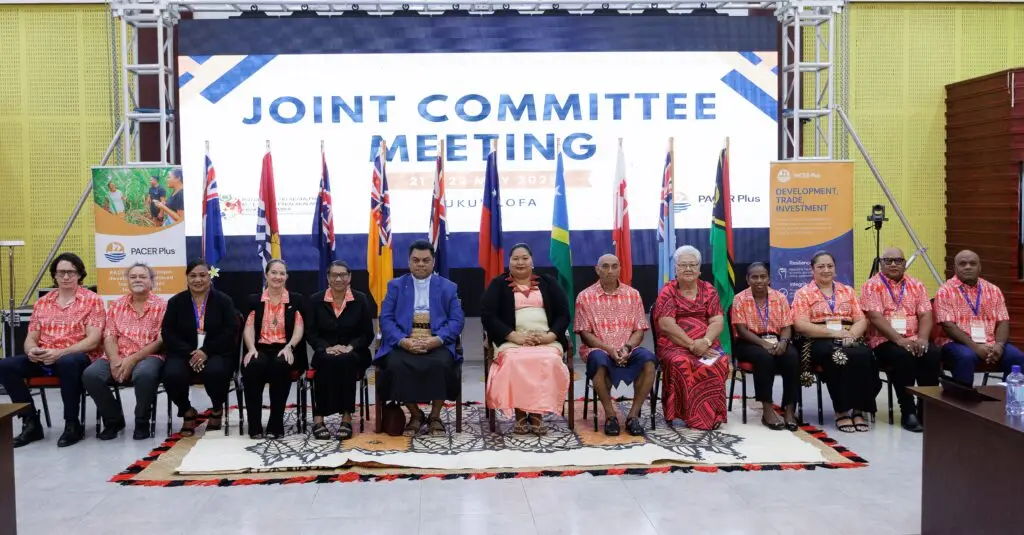
21–22 May 2026 | Fa’onelua Convention Centre, Nuku‘alofa, Tonga NUKU’ALOFA, Tonga – The Tenth Meeting of the PACER Plus Joint Committee concluded on Friday 22 May 2026 in Nuku‘alofa, Tonga, bringing together senior government officials from Australia, Cook Islands, Kiribati, New Zealand, Niue, Samoa, Solomon Islands, Tonga, Tuvalu, and Vanuatu. Chaired by Mrs Distaquaine Tu’ihalamaka, Chief Executive Officer of the Ministry of Trade and Economic Development of Tonga, the two-day meeting provided a crucial platform for Parties to review progress, set key priorities, and continue to strengthen regional economic integration. Tonga also Chaired the PACER Plus Budget Committee meeting, which was held earlier in the week, prior to the Joint Committee session. Senior government officials from the ten PACER Plus Parties gathered in Nuku’alofa, Tonga for the Tenth PACER Plus Joint Committee Meeting. Minister of Internal Affairs for the Kingdom of Tonga, the Hon. Fane Fituafe, provided a keynote address, noting the significance of today’s meeting for Tonga, as the Depositary of the PACER Plus, as the country where the Agreement was signed prior to ratification. The importance of PACER Plus in achieving real benefits for the Pacific was highlighted, noting that development should remain at the centre of this work. Minister Fituafe also noted that clarity, purpose and partnership were three key pillars necessary for PACER Plus l Parties to achieve results. Keynote address by Minister of Internal Affairs for the Kingdom of Tonga, the Hon. Fane Fituafe Chair of the Joint Committee Mrs Tu’ihalamaka, said: “Today’s meeting is an opportunity to reconnect, exchange experiences and strengthen relationships which support our collective work. PACER Plus is far more than a trade agreement – it is a vital tool for economic resilience. This Joint Committee meeting is focused squarely on execution, ensuring that every dollar invested is traceable to real outcomes for people.” The Phase II Implementing Arrangement for Development and Economic Cooperation (DEC) under PACER Plus for the period 2026–2030, signed by PACER Plus Ministers in November 2025 includes a joint funding commitment of AUD 31.4 million from Australia and New Zealand. This funding enables the delivery of the DEC Work Programme, which is designed to support Pacific Island countries in building trade capacity, strengthening industries, and overcoming barriers to economic growth. It also provides targeted assistance in areas such as export development, trade facilitation, and skills training, ensuring that Pacific Parties can fully benefit from regional and global trade opportunities. Mr Roy Lagolago, Head of the PACER Plus Implementation Unit Mr Roy Lagoalgo, Head of the PACER Plus Implementation Unit (PPIU): “The 2026-2030 Work Programme reflects the priorities expressed by Parties. The PPIU is purpose-built to support Pacific members’ trade priorities. We work closely with Parties to understand their needs and develop targeted activities to address practical challenges – whether in SPS compliance for agricultural exporters, customs modernisation, or skills development for labour mobility. “ The meeting approved the Monitoring, Evaluation and Learning Adaptation (MELA) Logical Framework 2026-30, which sets out seven medium-term outcomes across the Agreement’s core areas. The meeting also approved the Development and Economic Cooperation Work Programme Phase II 2026-2030 and discussed the Strategic Plan for 2026-30, including its strategic focus and approach to prioritisation, sequencing and results-based delivery. Discussions emphasised the importance of regional cooperation and the role that advocacy plays in supporting regional cooperation and partnerships. Discussions emphasised the need to sharpen the focus of activities on export development, strengthen value chain, reduce shipping and logistics costs, and deliver more targeted skills development. Joint Committee also underscored the importance of private sector engagement, digital trade as a key economic driver, and stressed the need to align the strategic priorities with measurable 2030 targets under the MELA Framework. Parties reaffirmed PACER Plus as a vital mechanism for regional economic integration, in line with the 2050 Strategy for the Blue Pacific Continent. Expanding membership remains a key priority, with commitments to advocate for new members to join the Agreement. The Joint Committee is the principal decision-making body under the PACER Plus and plays a central role in ensuring cooperation initiatives and development support deliver tangible and sustainable benefits for the region. More articles like this one
Tenth Meeting of the PACER Plus Joint Committee
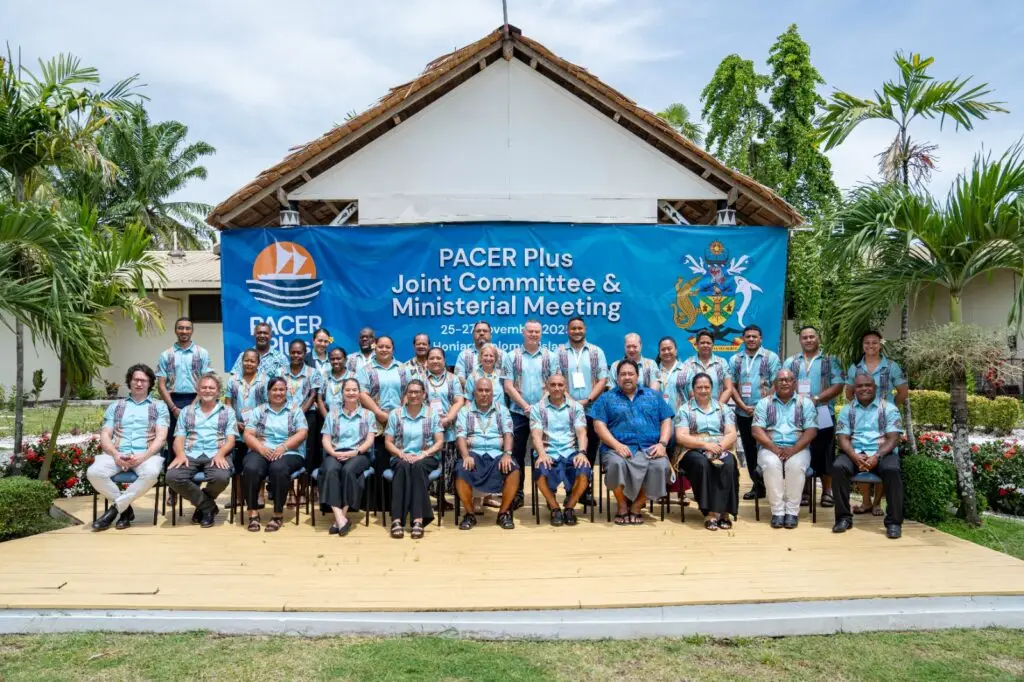
21–22 May 2026 | Fa’onelua Convention Centre, Nuku‘alofa, Tonga The Tenth Meeting of the PACER Plus Joint Committee will take place on 21–22 May 2026 in Nuku‘alofa, Tonga, chaired by Mrs Distaquaine Tu’ihalamaka, Chief Executive Officer of the Ministry of Trade and Economic Development of Tonga. Tonga will also Chair the PACER Plus Budget Committee meeting that will be held earlier in the week. At their previous meeting in Honiara, Solomon Islands, in November 2025, PACER Plus Ministers signed the Phase II Implementing Arrangement for Development and Economic Cooperation under PACER Plus for the period 2026–2030. This arrangement confirmed the strategic objectives for the next five-year phase and secured a joint funding commitment of AUD 31.4 million from Australia and New Zealand to support development and economic cooperation initiatives. A central focus of the meeting will be consideration of the Monitoring, Evaluation, Learning and Adaptation (MELA) Logframe, which provides the framework for measuring and strengthening PACER Plus outcomes and impacts. Members will also review and provide guidance on the Development and Economic Cooperation Work Programme 2026–2030, aimed at supporting capacity building, trade-related assistance, and inclusive economic development across PACER Plus Parties over the next five years. The Work Programme will be funded and managed through the AUD 31.4 million contribution from the Australian and New Zealand governments. Chair of the Joint Committee, Mrs Tu’ihalamaka, said: “This meeting is particularly significant for Tonga as the Depositary of the PACER Plus, and the country where the Agreement was signed prior to ratification. Over the past five years, we have recorded good progress in the implementation of the Work Programme by the PACER Plus Implementation Unit (PPIU) and have learnt important lessons. As we look ahead, this meeting reaffirms our commitment to upholding the integrity of PACER Plus, and ensuring its effective implementation delivers meaningful benefits for all Parties.” Mr Roy Lagoalgo, Head of the PACER Plus Implementation Unit (PPIU), emphasised the importance of the discussions in preparing for the next phase of implementation: “As PACER Plus moves towards the commencement of Phase 2 of Work Programme on 1 July 2026, it is critical that we set the foundations right. Agreement on the MELA Framework and DEC Work Programme ensures that implementation is well‑sequenced, responsive to members’ priorities, and delivers measurable results from the outset of the 2nd phase.” The Joint Committee is the principal decision‑making body under the PACER Plus and plays a central role in ensuring cooperation initiatives and development support deliver tangible and sustainable benefits for the region. More articles like this one
PACER Plus Strategic Planning Workshop and First In Person Subsidiary Committee Meetings Held in Samoa
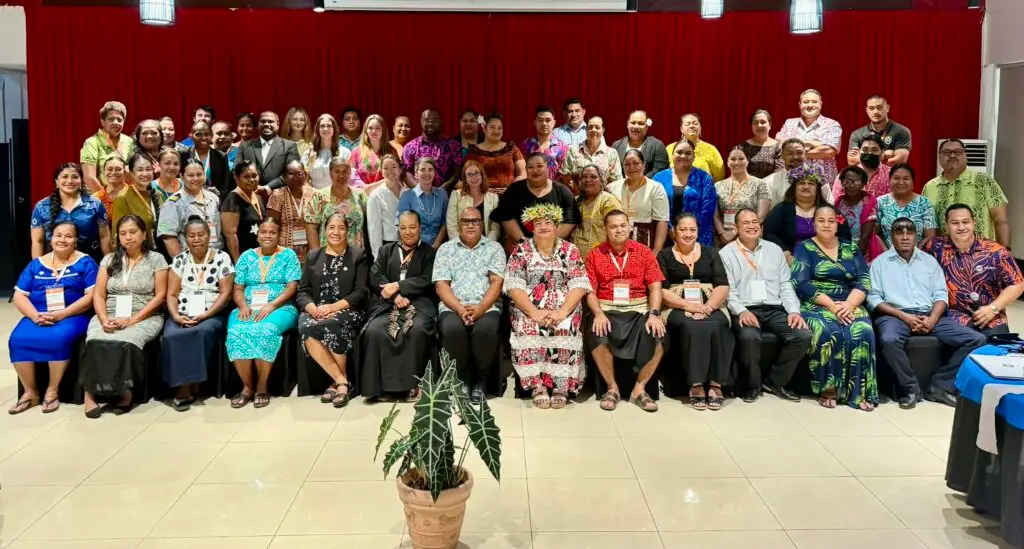
PACER Plus Parties are meeting in Apia this week for a Strategic Planning Workshop and a series of Subsidiary Committee meetings, bringing together officials from across the Pacific, Australia and New Zealand to progress regional trade and development priorities for the next cycle of PACER Plus. The meetings build on extensive country consultations undertaken across PACER Plus Parties between February and March 2026, during which governments, agencies and stakeholders provided input on national priorities, implementation challenges, and areas for future cooperation. Outcomes from those consultations are now being considered collectively at the regional level to help shape the next phase of PACER Plus implementation. The programme commenced with a Strategic Planning Workshop on 20–21 April 2026, focused on the development of the Development and Economic Cooperation (DEC) Work Programme for 2026–2030. The workshop provided an opportunity for national focal points and component contact points to review the draft DEC framework, discuss strategic priorities, and assess proposed projects to ensure they reflect country needs, regional priorities, and agreed PACER Plus outcomes. Participants also reviewed the PACER Plus Monitoring, Evaluation, Learning and Adaptation (MELA) Logical Framework for 2026–2030, which sets out a results‑based approach to guide implementation over the next five years. Discussions emphasised practical cooperation in key areas including trade facilitation, customs procedures, sanitary and phytosanitary measures, technical barriers to trade, services, investment and labour mobility, with a strong focus on delivering tangible benefits for Pacific economies, businesses and communities. Following the workshop, PACER Plus Subsidiary Committee meetings will be convened 22–24 April 2026, covering: Trade in Goods, Rules of Origin and Customs Procedures. Sanitary and Phytosanitary Measures and Technical Barriers to Trade. Trade in Services and the Movement of Natural Persons. Labour Mobility and associated arrangements. These meetings are particularly significant, representing the first in‑person convening of PACER Plus Subsidiary Committees and strengthening relationships among officials while enabling more detailed, solution‑focused technical discussions. More than 60 participants from PACER Plus Parties are attending the meetings in Apia, Samoa hosted at the Tanoa Tusitala Hotel and PPIU facilities. Discussions are expected to confirm priority activities for the 2026–2027 Annual Plan, guide the finalisation of the DEC Work Programme, and support coordinated, effective implementation of PACER Plus across the region. PACER Plus Parties reaffirmed their shared commitment to working together in partnership, strengthening regional integration, and ensuring that PACER Plus continues to support sustainable development, inclusive growth and economic resilience for Pacific countries. More articles like this one
Cook Islands Reviews PACER Plus Implementation and Sets Priorities for Phase 2
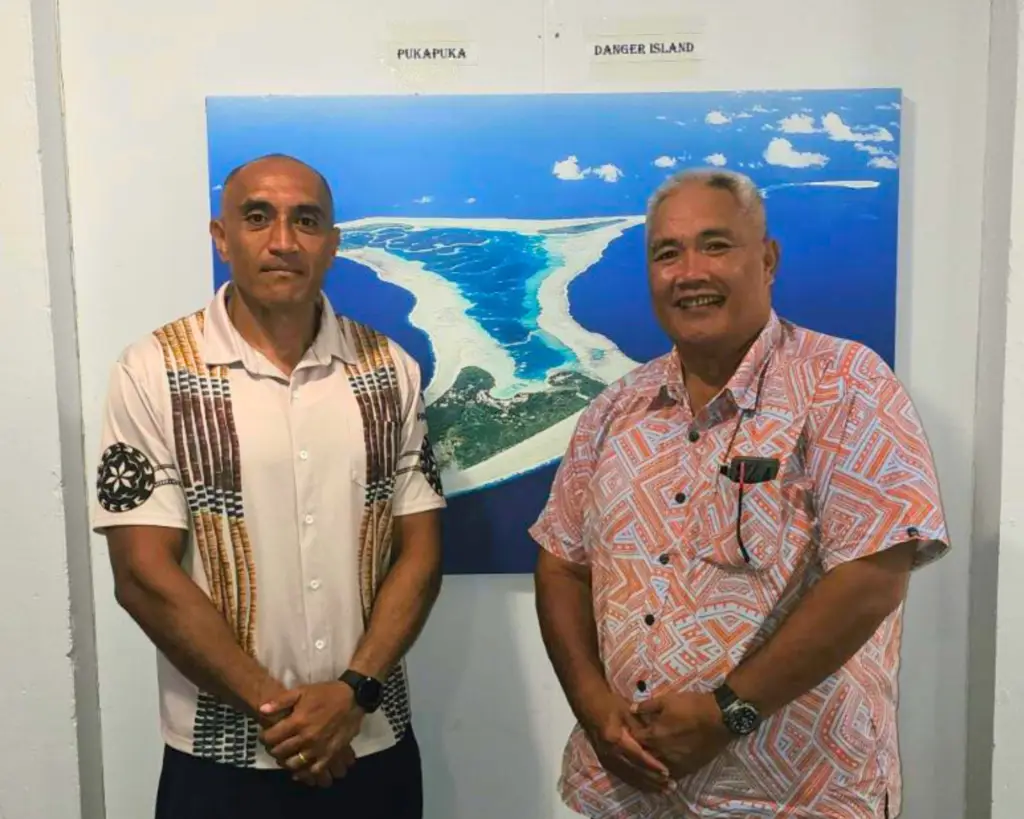
RAROTONGA, Cook Islands — As the Pacific Agreement on Closer Economic Relations Plus (PACER Plus) enters Phase 2 of implementation (2025-2030), the Government of the Cook Islands, in collaboration with the PACER Plus Implementation Unit (PPIU), has undertaken national consultations to review progress under the Agreement and identify priorities for the next phase of implementation. Held from 1-6 March, in Avarua, Rarotonga, the consultations brought together PACER Plus contact points and government departments responsible for implementing key areas of the Agreement, including Rules of Origin, Customs Procedures, Sanitary and Phytosanitary (SPS) Measures, Technical Barriers to Trade (TBT), Trade in Services, Temporary Movement of Natural Persons, Investment, and Labour Mobility. PPIU team meets with officials in Cook Islands as part of in-country consultations to help shape the 2026-2030 DEC Work Programme. The consultations focused on assessing the Cook Islands’ progress in implementing the Agreement using the PACER Plus Implementation Trackers. The Trackers are a monitoring tool used to evaluate how national laws, policies, and institutional systems align with the Agreement’s commitments. They help identify implementation strengths, gaps, and capacity needs, supporting targeted technical assistance and improved utilisation of the Agreement. After the first five years of PACER Plus implementation, the Cook Islands is now positioned to build on key achievements to date and leverage the Agreement to better support trade outcomes and sustainable economic development for the country. Elizabeth Wright-Koteka, Secretary of Ministry of Foreign Affairs and Immigration and PACER Plus Focal Point, said the consultations confirmed that the Cook Islands has made significant progress in implementing the Agreement. “Preliminary findings show that the Cook Islands has established strong legal and institutional foundations for PACER Plus implementation, particularly in areas such as Customs Procedures, Rules of Origin, and services regulation. These systems are supported by modern customs platforms and transparent regulatory frameworks that facilitate trade and investment.” Elizabeth Wright-Koteka, Secretary of Ministry of Foreign Affairs and Immigration Mr. Roy Lagolago, Head of PPIU (left), meets with Hon. Tingika Elikana, Minister of Foreign Affais and Immigration in Cook Islands. “At the same time, the consultations highlighted opportunities to further strengthen implementation in areas such as sanitary and phytosanitary measures and technical barriers to trade, enhance investment promotion and facilitation, and improve coordination across agencies involved in trade and labour mobility,” said Ms. Wright-Koteka. The outcomes of the consultations help guide national priorities for Phase 2 of PACER Plus (2025-2030) and project proposals for the FY2026-2027 PACER Plus Annual Plan. -ENDS- More articles like this one
Pacific consultations underway to shape PACER Plus 2026-2030 Work Programme

APIA, Samoa – The PACER Plus Implementation Unit (PPIU) has begun a series of in country consultations with its member Parties from 2 February to 20 March 2026. The consultations will inform the development of the 2026-2030 Development and Economic Cooperation (DEC) Work Programme, ensuring it aligns with national priorities and supports effective implementation of PACER Plus. The PPIU team is visiting all ten member Parties to PACER Plus, Australia, Cook Islands, Kiribati, New Zealand, Niue, Samoa, Solomon Islands, Tonga, Tuvalu and Vanuatu, to gather baseline data, identify priorities, and confirm areas where support is most needed. PPIU team in discussion this week with officials in Honiara, Solomon Islands, during consultations to identify national priorities for the 2026-2030 Work Programme. Consultations in Tonga and Kiribati have already been completed, with meetings underway this week in Solomon Islands and Vanuatu. A key focus of the consultations is strengthening Monitoring, Evaluation, Learning and Adaptation (MELA) systems through the MELA Logical Framework. This framework enables member Parties to track delivery, measure results, and ensure activities under the Work Programme contribute directly to implementation of PACER Plus. To support this, the PPIU is working with each country’s National Focal Point and Component Contact Points to update the PACER Plus Implementation Tracker, a structured data collection tool that helps countries record progress, establish baselines, and set practical targets through to 2030. The baseline assessments will guide the identification of priority areas in the first Annual Plan for 2026-2027. PPIU team meets with officials in Kiribati as part of in-country consultations to help shape the 2026-2030 DEC Work Programme. Head of the PPIU, Roy Lagolago, said the consultations are grounded in setting the right foundations for the next four years: “While this might be a lot of work, getting the foundations right from the start is vital. The PPIU is a member driven organisation and the voice of all our members are important to us. These consultations allow us to sit down with each member to understand their priorities and agree on clear targets for the next four years. We want the 2026–2030 Work Programme to be practical, measurable, and genuinely useful to our members.” He added that strengthening monitoring and compliance systems will give members clearer evidence of progress and impact. “As we move into this new phase under the DEC Arrangement, our focus is on results not just activities but real outcomes that support trade, economic growth, and development across the Pacific.” Roy Lagolago, Head of PPIU The PPIU will finalise baseline assessments following the consultations, with the draft 2026–2030 Work Programme to be presented to PACER Plus members at the next Joint Committee meeting to be held in Tonga in May 2026. -ENDS- More articles like this one
New Five-Year PACER Plus Support Agreed by Pacific Ministers
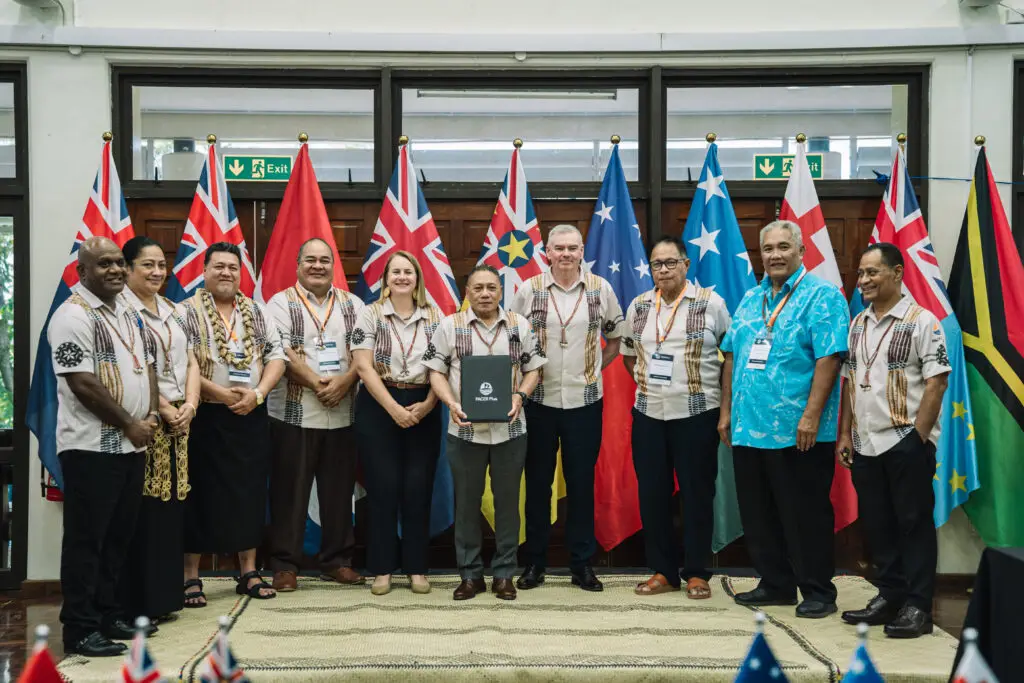
HONIARA, Solomon Islands – Pacific trade ministers met in Honiara, Solomon Islands yesterday and agreed on a renewed push to strengthen trade, investment, and labour mobility across the region under the Pacific Agreement on Closer Economic Relations Plus or PACER Plus. Ministers and ministerial representatives from Australia, Cook Islands, Kiribati, New Zealand, Niue, Samoa, Solomon Islands, Tonga, Tuvalu, and Vanuatu came together for the 2025 PACER Plus Ministerial Meeting, chaired by Hon. Peter Shanel Agovaka, Solomon Islands Minister of Foreign Affairs and External Trade. Ministers and ministerial representatives from the 10 PACER Plus parties came together for the 2025 PACER Plus Ministerial Meeting in Honiara on Thursday 27 November. Opening the meeting, Prime Minister Hon. Jeremiah Manele highlighted the progress made since PACER Plus entered into force in 2020. PACER Plus is grounded in a rules-based system. The Agreement embodies these multilateral principles that respects sovereignty while promoting shared benefits of trade and economic integration. It also addresses the unique and diverse economic vulnerabilities of Pacific small island developing states and offers a structured path for our people to integrate and adapt to the global trading system. It remains an important framework to grow regional peace, progress and prosperity in the region. Prime Minister Jeremiah Manele Ministers reviewed the first five years of the Development and Economic Cooperation (DEC) Work Programme and acknowledged how the work programme had supported policy reforms and institutional capacity building, while also responding to specific national needs, especially for small island economies facing ongoing economic and climate pressures. Looking ahead, the ministers endorsed the strategic priorities for the next phase of the DEC Work Programme (2025-2030). The new priorities will focus on legislation and policy reform, public sector capacity building, private sector development, and automation and data systems. The next phase aims to create a more predictable trading environment, help businesses become more competitive, and ensure Pacific countries have the tools they need to meet their PACER Plus commitments. The ministers also acknowledged the central role played by the PACER Plus Implementation Unit (PPIU) in driving the significant progress achieved under the DEC Work Programme 2020-2025. They understood the importance of the PPIU as a standalone, member-driven regional entity, one that supports Parties to build economic resilience, deepen cooperation, and advance sustainable development across the Pacific. Ministers also reaffirmed the Pacific Labour Mobility Annual Meeting as the region’s main forum for advancing labour mobility issues. Australia and New Zealand announced major new support for the next five-year DEC Work Programme – AUD 23.2 million from Australia and NZD 10 million from New Zealand. A key highlight from yesterday’s meeting was the joint announcement by Australia and New Zealand of renewed funding for the next five-year cycle of the DEC Work Programme – AUD 23.2 million from Australia and NZD 10 million from New Zealand. Ministers welcomed this commitment and proceeded to sign the Phase II Implementing Arrangement for Development and Economic Cooperation (2025-2030). The meeting also agreed to increase their engagement with other Forum Island Countries that have expressed interest in joining PACER Plus. Ministers endorsed the development of a structured advocacy strategy under the next phase of the DEC Work Programme to support future accessions, with a commitment from Australia and New Zealand to provide additional assistance as membership expands. Finally, ministers expressed their deep appreciation to the government and people of Solomon Islands for hosting the meeting and for their warm hospitality. Tonga will chair the next PACER Plus Joint Committee and Ministerial Meetings in 2026. The full PACER Plus Ministerial Communique can be accessed here. -ENDS- More articles like this one
Pacific Ministers to Endorse the Next Five Years of PACER Plus Development and Economic Cooperation
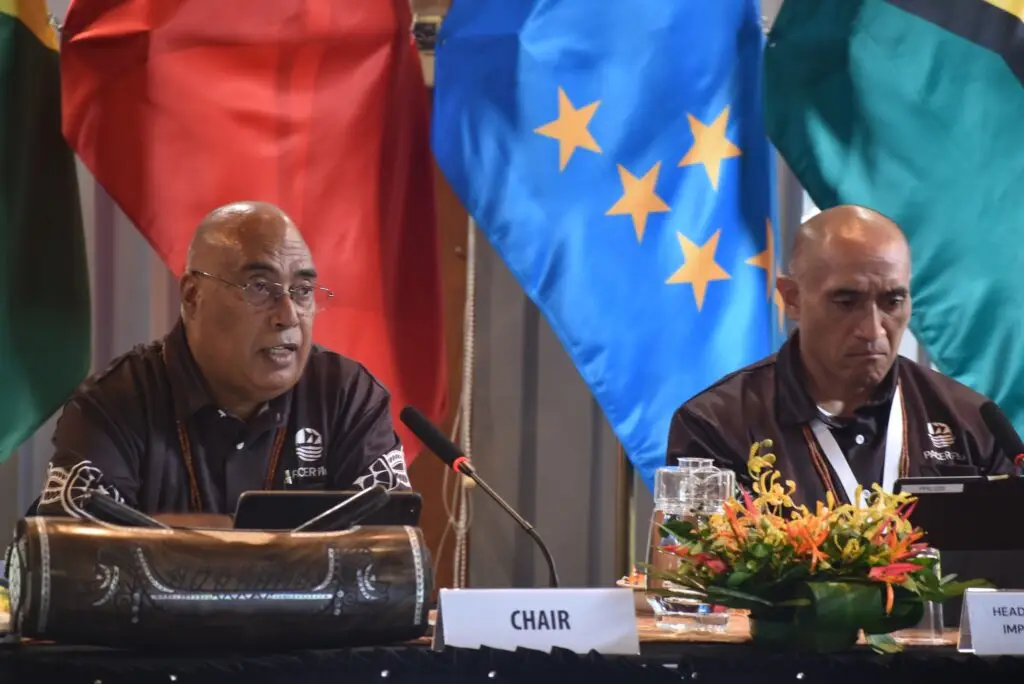
HONIARA, Solomon Islands – Government ministers and senior officials from around the Pacific will gather in Honiara, Solomon Islands, from 25-27 November for the Ninth PACER Plus Joint Committee Meeting and 2025 PACER Plus Ministerial Meeting. Representatives from the PACER Plus Parties – Australia, Cook Islands, Kiribati, New Zealand, Niue, Samoa, Solomon Islands, Tonga, Tuvalu, and Vanuatu – will attend the three-day meeting. Ambassador Collin Beck (left) with Mr. Roy Lagolago at the Eighth PACER Plus Joint Committee Meeting in Honiara, Solomon Islands. The meetings will conclude on 27 November with the PACER Plus Ministerial Meeting, which will be officially opened by the Prime Minister of Solomon Islands, Hon. Jeremiah Manele. This year’s gathering comes at an important moment for the region. Ministers and officials will consider a report on the first phase of the Development and Economic Cooperation (DEC) Work Programme, which has been jointly funded by Australia and New Zealand since 2020 to help Pacific Island countries implement the PACER Plus (the Agreement). Over the past five years, the DEC Work Programme has supported Parties with policy reforms, legislative updates, and institution-building. But it has also increasingly responded to very practical needs such as providing equipment, systems, and tools that help Pacific countries meet their trade commitments and unlock opportunities for businesses. While the programme has achieved significant progress, implementation has not been without its challenges. Countries have had to navigate the pandemic’s lasting impacts, staffing shortages, trade tensions and changing international systems. These lessons have reinforced the need for more targeted support, stronger coordination, and investments that deliver clear, tangible benefits to Pacific economies. Ministers will also consider the next phase of development assistance, including the signing of the next Implementing Arrangement for Development and Economic Cooperation under PACER Plus for another five years. They previously signalled support for this renewal during the 2024 Ministerial Meeting in Brisbane, Australia. Ambassador Collin Beck, Permanent Secretary of the Ministry of Foreign Affairs and External Trade Solomon Islands and the Chair of the PACER Plus Joint Committee Meeting said Solomon Islands is proud to host the meetings at a time when regional cooperation and regional integration is critical to unlock our shared prosperity. PACER Plus is not just a trade agreement but a commitment by Pacific nations to work together for an integrated Pacific. As hosts, Solomon Islands is honoured to welcome our Pacific brothers and sisters to Honiara. These meetings will help shape the next chapter of cooperation, ensuring that our region continues to grow, remain connected, and benefit from a fair and predictable trading environment. Ambassador Collin Beck The past five years have also seen major advances in trade facilitation across the region. These include customs modernisation through rollout of ASYCUDA systems; sanitary and phytosanitary improvements including ePhyto for faster, paperless certification; simplified rules of origin and improved border procedures; duty-free access to Australia and New Zealand for Pacific exports; and strengthened labour mobility cooperation, including pilot intra-Pacific initiatives and reintegration support. Mr. Roy Lagolago, Head of the PACER Plus Implementation Unit (PPIU), said these achievements show the value of predictable, well-coordinated regional support. “Over the last five years, we’ve seen real progress like faster customs clearances, better systems for exporters, more streamlined rules, and stronger labour mobility arrangements. Countries are not only meeting their commitments under PACER Plus, but they are also seeing practical benefits on the ground. As we move toward the next phase of the DEC Work Programme, the focus will remain on solutions that make trade easier, support jobs, and strengthen resilience across our island economies,” said Mr. Lagolago. The PPIU, based in Apia, Samoa, manages the DEC Work Programme and supports countries in implementing the agreement. -ENDS- More articles like this one
Modernised customs systems set to streamline trade and reduce border delays
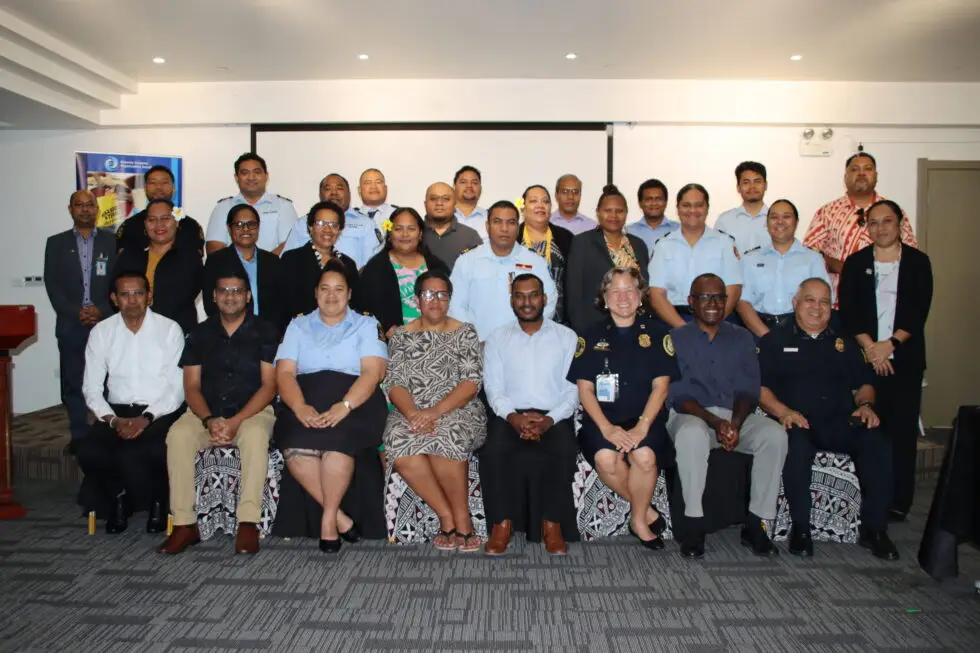
Customs organisations in the Pacific are advancing their digital systems to improve trade activities within the region and the world. The Oceania Customs Organisation (OCO) Secretariat and the PACER Plus Implementation Unit (PPIU) concluded a four-day Digital Customs Workshop in Nadi, Fiji, bringing together 23 participants from 15 member countries to chart a course towards paperless, efficient border operations. The ‘Digital Customs Workshop: Advancing Trade Facilitation and Modernisation through Technology’ was an initiative by OCO seeing that its members were making great strides in automating border processes. The workshop, held from October 27-30, highlighted the key principles of Digital Customs which was predictability, transparency and efficiency addressing growing concerns of trade delays and inefficiencies that have long plagued Pacific commerce. The four-day Digital Customs Workshop in Nadi last month, brought together 23 participants from 15 countries. PACER Plus Trade Advisor Alipate Tavo stressed the importance of customs’ digital transition for regional development. “Digital customs is a fundamental pillar for enabling trade facilitation and transparency. Through partnerships like this, PPIU continues to support the region in building the digital infrastructure and capacity required for modern customs and trade systems,” Mr. Tavo said. OCO Trade and Revenue Management Advisor Sumeet Singh said regional teamwork is essential for successful digital upgrades. “Going digital is the key to modernising customs. It’s all about being transparent, fast and trustworthy. As Pacific nations, we need to work together on systems that don’t just connect our borders — they should boost our economies too,” Singh said. The initiative aligns with international standards including the Revised Kyoto Convention, World Trade Organisation Trade Facilitation Agreement and supports the implementation of the Pacific Regional Trade Facilitation Strategy. The workshop featured presentations from the United Nations Conference on Trade and Development, UN Economic and Social Commission for Asia and the Pacific, and Pacific Community. It also provided a platform for OCO members to share and learn from their respective digital Customs journeys. Participants achieved five key outcomes during the workshop. They improved their understanding of digital Customs systems and skills in analysing trade data and also created draft national plans with specific timelines and priority actions for digital transformation. The workshop also helped build the groundwork for important legal changes, including laws for electronic signatures and protecting data. It also strengthened working relationships between regional organisations. More than half of OCO’s 24 members have already computerised their main clearance work representing a major progress towards fully digital Customs operations across the Pacific. Participants also produced an outcome statement of the workshop, which recommended several follow-up actions including consolidating national roadmaps into a regional action plan with bi-annual progress reviews, developing a Digital Customs Legal Readiness Checklist, launching regional cybersecurity initiatives, and establishing sustained digital skills programmes. These recommended actions will enable OCO members to “collectively overcome structural challenges, ensure faster trade flows and build stronger economic resilience for the region”. PPIU Operations and Secretariat Manager Laisiana Tugaga who provided closing remarks at the workshop stressed the importance of working together. Together with our partners, we are laying the foundation for a connected, efficient and paperless Pacific customs community. Laisiana Tugaga, PPIU Operations and Secretariat Manager The workshop represents part of ongoing PACER Plus Development and Economic Cooperation Work Programme efforts to ensure Pacific Island countries benefit equitably from digital transformation in international trade. The digital transformation initiative comes at a crucial time for Pacific trade, as island nations seek to modernise their economies while maintaining competitive advantages in global markets. -ENDS- More articles like this one
Fair Recruitment Key to Sustainable Reintegration, Says Prime Minister Manele at PLMAM 2025 Opening
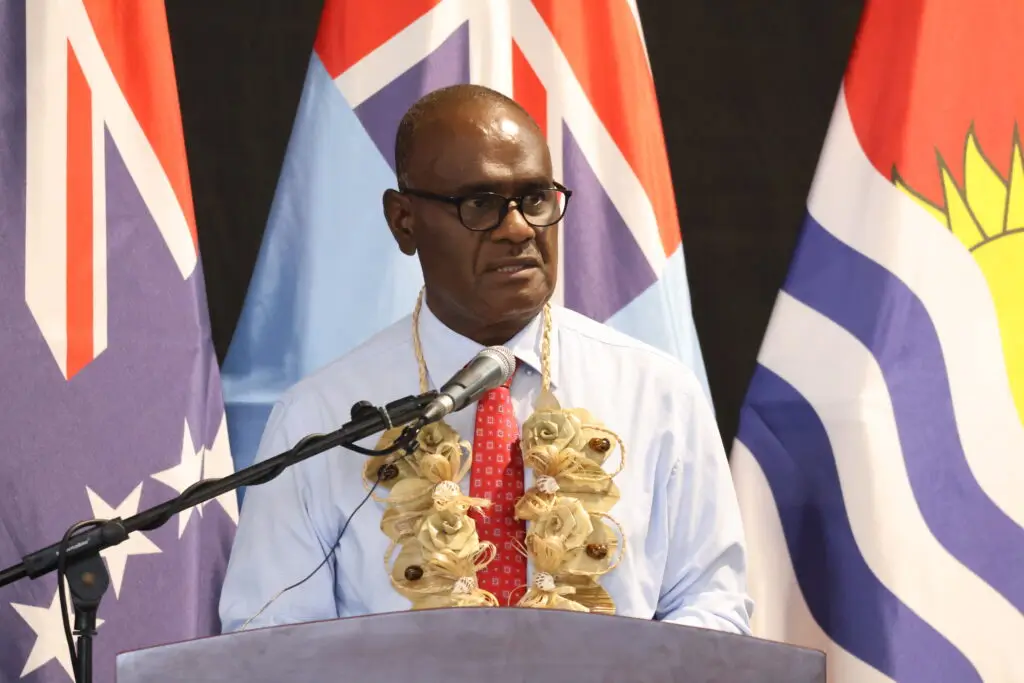
HONIARA, Solomon Islands – The Pacific Labour Mobility Annual Meeting (PLMAM) 2025 officially opened this morning in Honiara, Solomon Islands, bringing together Pacific labour mobility stakeholders from across the Pacific and beyond under the theme ‘Sustainable Reintegration Begins with Fair and Effective Recruitment’. Organised by the PACER Plus Implementation Unit (PPIU), which also serves as the Labour Mobility Secretariat, the PLMAM provides a regional platform for countries to work together on improving recruitment processes, worker welfare, and the long-term benefits of labour mobility for Pacific families and communities. The PLMAM 2025 has drawn participants from Australia, Cook Islands, Fiji, Kiribati, New Zealand, Nauru, Niue, Papua New Guinea, Samoa, Solomon Islands, Tonga, Tuvalu, Vanuatu, as well as Timor Leste and the Philippines. This year’s meeting has drawn participants from Australia, Cook Islands, Fiji, Kiribati, New Zealand, Nauru, Niue, Papua New Guinea, Samoa, Solomon Islands, Tonga, Tuvalu, Vanuatu, as well as Timor Leste and the Philippines. Opening the meeting, Prime Minister of Solomon Islands, Hon. Jeremiah Manele, said the Pacific’s labour mobility programmes have become an important pathway for employment, skills development, and economic empowerment across the region. Labour mobility is not just an economic policy it is a lifeline of opportunity. Thousands of Solomon Islanders have found meaningful work abroad, gained new skills, supported their families, and returned home with renewed hope and experience. Remittances from seasonal workers contributed SB$475 million in 2024 for Solomon Islands. While this may be small in comparison to other Pacific family members, these remittances are of immense significance to our economy. Hon. Jeremiah Manele Prime Minister of Solomon Islands, Hon. Jeremiah Manele, opened the PLMAM 2025. Head of the PACER Plus Implementation Unit and Labour Mobility Secretariat, Mr. Roy Lagolago, said the discussions at PLMAM 2025 would focus on strengthening collaboration between sending and receiving countries to ensure fair outcomes for all parties involved. “Fair and effective recruitment is where sustainable reintegration begins,” said Mr. Lagolago. “When workers are well-prepared, well-supported, and treated fairly throughout their journey, the benefits of labour mobility extend beyond individuals to uplift families, communities, and entire economies.” Over the next three days, PLMAM participants will discuss practical steps to improve worker recruitment, strengthen the partnership between Labour Sending Units and Employers, as well as regional measures to enhance the development impact of labour mobility through sustainable reintegration initiatives. The PLMAM, established under the PACER Plus Arrangement on Labour Mobility, continues to serve as the region’s main platform for cooperation on labour mobility issues and policy coordination between Pacific sending and receiving countries. -ENDS- More articles like this one