
Building the Legal Foundations for Digital Payments in Tonga
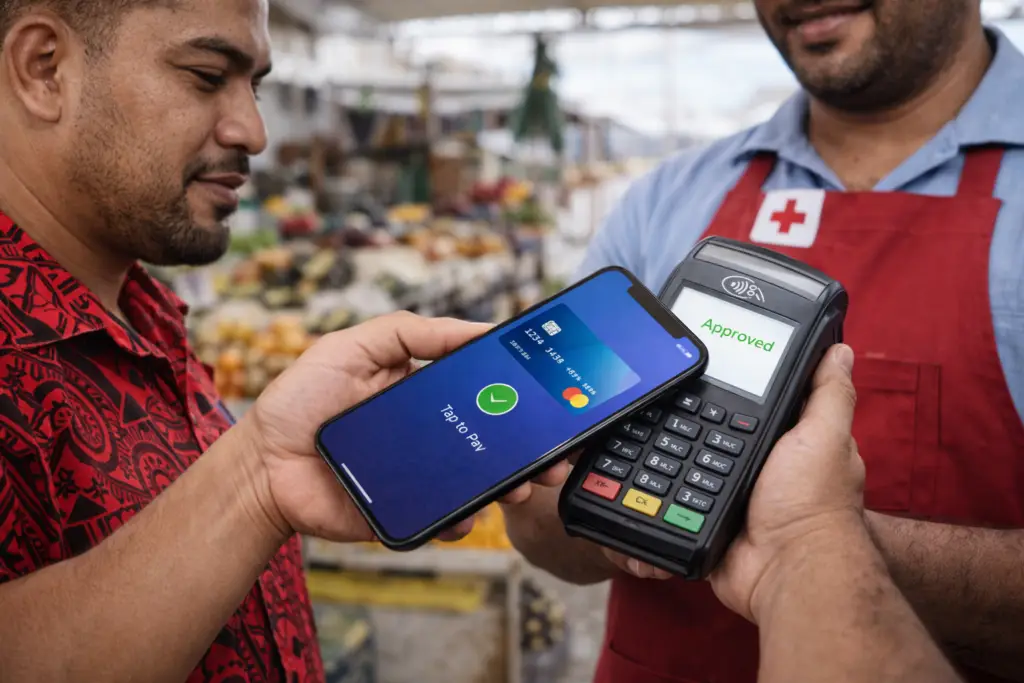
Across the Pacific, digital financial services are rapidly transforming the way people send money, make payments, and access financial services. For Tonga, where remittances form a vital part of household income and economic activity, secure and reliable payment systems are essential. As digital payments grow in importance, countries must ensure their legal and regulatory frameworks keep pace with new technologies. Recognising this need, the PACER Plus Implementation Unit (PPIU) partnered with the National Reserve Bank of Tonga (NRBT) to support the development of the Tonga Payment Systems and Services Bill 2025. The initiative represents a significant step toward strengthening Tonga’s financial infrastructure and building the legal foundations needed to support a modern digital economy. Digital payment services are expanding across Tonga, creating new opportunities for financial inclusion and economic participation. In recent years, Tonga has seen growing use of electronic payments, mobile money services, and digital remittance platforms. These innovations create new opportunities for financial inclusion and economic participation. However, before this project began, Tonga did not have a comprehensive legal framework governing electronic payment systems and digital financial services. This gap created several challenges. While banks and licensed money transfer operators were subject to oversight, informal remittance channels and unregistered payment services operated with limited regulation. Existing legislation also did not adequately address emerging issues such as cybersecurity risks, data protection, and the interoperability of digital payment platforms. Without a modern regulatory framework, it was increasingly difficult for regulators to supervise payment service providers effectively and ensure consumer protection in an evolving financial landscape. To address these challenges, PACER Plus supported a technical consultancy to assist Tonga in developing a modern legal framework for electronic payment systems and services. “Developing a modern legal framework for payment systems is a key step toward strengthening Tonga’s digital economy and ensuring that financial innovation takes place within a safe and trusted environment.” The work began in April 2024 with a detailed assessment of Tonga’s payment ecosystem. This included legal analysis of existing legislation, institutional mapping of financial sector stakeholders, and a review of international best practices for payments regulation. The assessment also examined the country’s financial landscape, including the role of commercial banks, microfinance institutions, and the growing importance of digital financial services. Based on these findings, the project moved into a structured legislative drafting process that involved close collaboration with the National Reserve Bank of Tonga, the Ministry of Trade and Economic Development, and technical experts from the World Bank. These consultations ensured the draft legislation reflected both Tonga’s national priorities and internationally recognised standards for payment systems regulation. The resulting Payment Systems and Services Bill 2025 introduces a comprehensive framework for regulating digital payments and financial technology in Tonga. The proposed legislation establishes clear rules for the licensing and supervision of payment service providers, including fintech operators and electronic money issuers. It also introduces safeguards to protect consumers and strengthen the resilience of Tonga’s financial system. Key features of the bill include: Licensing requirements for payment service providers Regulation of electronic money issuance and redemption Consumer protection measures and dispute resolution mechanisms Cybersecurity and operational risk management standards Enhanced oversight powers for the National Reserve Bank of Tonga Together, these measures aim to ensure digital payment services operate safely, transparently, and in the interests of consumers. Digital financial services are expanding access to financial tools for individuals and businesses in Tonga. The legislation also supports innovation within Tonga’s financial sector. By introducing flexible regulatory mechanisms, such as the registration of low-risk fintech providers, the framework encourages the development of new financial technologies while maintaining appropriate oversight. This approach helps balance innovation with financial stability, allowing Tonga’s digital payments ecosystem to grow in a secure and inclusive manner. In April 2025, the final legislative package, including the draft bill, explanatory notes, and an implementation roadmap, was submitted to the National Reserve Bank of Tonga and the Ministry of Trade and Economic Development. Once enacted, the legislation will provide Tonga with the regulatory tools needed to oversee payment service providers, protect consumers, and support the continued development of digital financial services. -ENDS- More articles like this one
Strengthening Samoa’s Biosecurity Systems
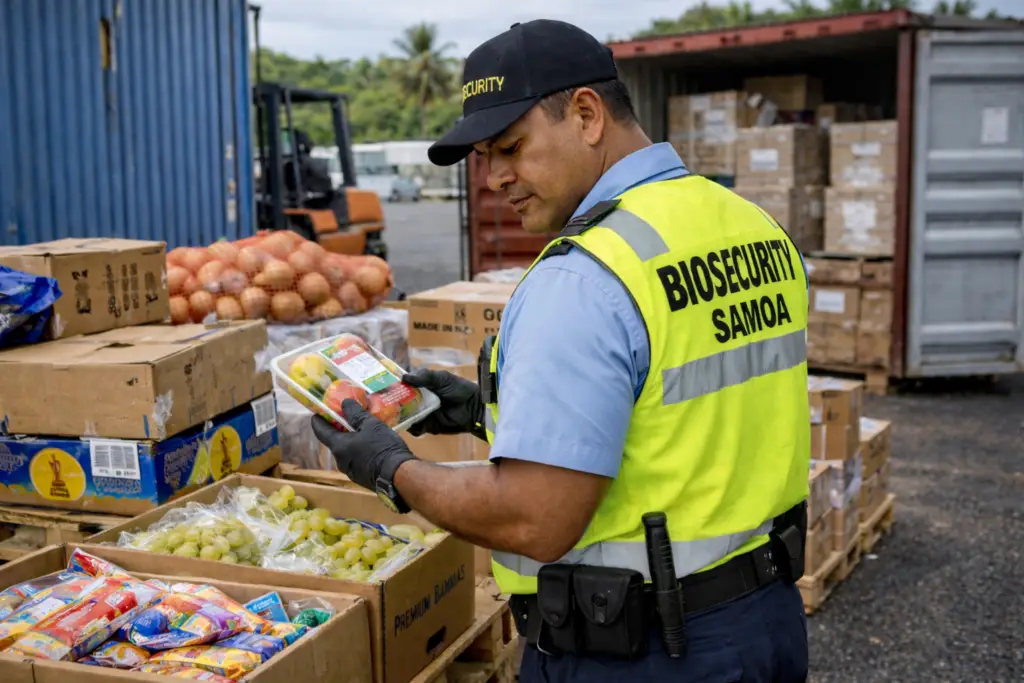
Every day, ships and aircraft bring goods into Samoa from around the world. These shipments carry everything from food and agricultural products to machinery, construction materials, and consumer goods. While trade is essential for Samoa’s economy, it also brings risks. Invasive pests, plant diseases, and animal health threats can arrive at the country’s borders hidden within cargo, posing serious dangers to agriculture, ecosystems, and public health. For Samoa’s Biosecurity Division within the Ministry of Agriculture and Fisheries, managing these risks is part of a complex daily operation. Officers inspect cargo, issue import permits, process quarantine certificates, and monitor compliance with international biosecurity standards. Behind these activities sits an important digital tool that has quietly supported this work for nearly two decades: the Samoa Quarantine Information Database, better known as the SQUID system. Today, with support from PACER Plus, Samoa is taking an important step toward modernising this system to ensure it continues protecting the country’s borders while facilitating safe and efficient trade. Inspections help prevent invasive pests and diseases from entering Samoa. The SQUID system was introduced in 2006 to help biosecurity officers manage quarantine processes and maintain records for imports, inspections, and certification. The system plays a crucial role in Samoa’s border management and supports the country’s obligations under international trade standards, including the World Trade Organisation’s Sanitary and Phytosanitary (SPS) Agreement. Through SQUID, officers record information about cargo arrivals, issue permits and certificates, and track inspections of goods entering Samoa. These processes help ensure that imported products comply with national regulations designed to prevent harmful pests and diseases from entering the country. Over the years, the system has become the technological backbone of Samoa’s biosecurity operations. However, like many long-standing systems, it has begun to show its age. Built using Microsoft Access 2007, the platform relies on software that is no longer supported by modern operating systems. This creates challenges for security, compatibility, and performance. The system also operates primarily from a single location, meaning biosecurity officers working at remote ports of entry often need to rely on manual processes before data can be entered into the central system. “The SQUID platform is a critical part of Samoa’s biosecurity system, helping ensure that goods entering the country meet quarantine standards and protect Samoa’s agriculture and environment.” These limitations not only slow down daily workflows but also highlight the need for a modern digital solution that can keep pace with Samoa’s evolving biosecurity requirements. Recognising the importance of strong biosecurity systems for safe trade, the PACER Plus Implementation Unit supported a comprehensive review of the SQUID platform. The review examined the system’s architecture, security, infrastructure, and operational workflows. It also assessed how the system could be modernised to better meet the needs of biosecurity officers and improve the efficiency of border processes. The findings confirmed that while the existing system continues to function, it requires significant upgrades to address cybersecurity vulnerabilities, outdated technologies, and operational inefficiencies. The review therefore recommended developing a modern web-based platform supported by secure cloud infrastructure. Such a system would allow biosecurity officers to access the platform from multiple devices and locations, while strengthening security and improving overall performance. Importantly, the new system would connect key biosecurity locations across Samoa, including Matautu Wharf, Faleolo International Airport, and Fagalii Airport, allowing officers to enter and access data in real time. 27% faster permit processing T43% faster certificate processingT1,150+ hours saved annuallyT Beyond improving system security, the new platform is expected to deliver tangible operational benefits. Currently, processing an import permit takes an average of around eleven minutes, while issuing a certificate requires approximately seven minutes. With a modernised digital system, these processes are expected to become significantly faster, reducing permit processing times to around eight minutes and certificate processing times to approximately four minutes. While these time savings may appear small on an individual transaction, they add up across hundreds of monthly processes. Overall, the improved system is projected to save more than 1,150 hours of staff time each year, allowing biosecurity officers to focus more on inspection and compliance activities that protect Samoa’s borders. The upgraded platform will also strengthen cybersecurity protections, introduce modern password and data security policies, and enable more reliable backup and recovery systems. Strong biosecurity systems play a vital role in protecting Samoa’s economy and environment. Agriculture remains an important part of Samoa’s livelihood and food security. At the same time, the country’s pristine natural environment and marine ecosystems underpin its tourism industry. Preventing the introduction of invasive pests and diseases is therefore critical to safeguarding these national assets. By improving the digital systems that support quarantine and inspection processes, PACER Plus is helping Samoa strengthen its capacity to manage these risks while ensuring trade continues to flow efficiently. ….. The modernisation of the SQUID system represents more than just a technology upgrade. It reflects a broader commitment to building stronger trade systems and modern regulatory infrastructure in the Pacific. With a secure and connected digital platform, Samoa’s biosecurity officers will be better equipped to monitor goods entering the country, respond to emerging threats, and meet international trade obligations. As trade continues to expand across the region, investments in systems like SQUID help ensure that Pacific economies can grow while protecting their unique environments and communities. Through targeted technical support such as this system review, PACER Plus continues to support Pacific Island countries in strengthening the institutions and infrastructure that underpin safe and sustainable trade. -ENDS- More articles like this one
Vanuatu graduate ventures into online business
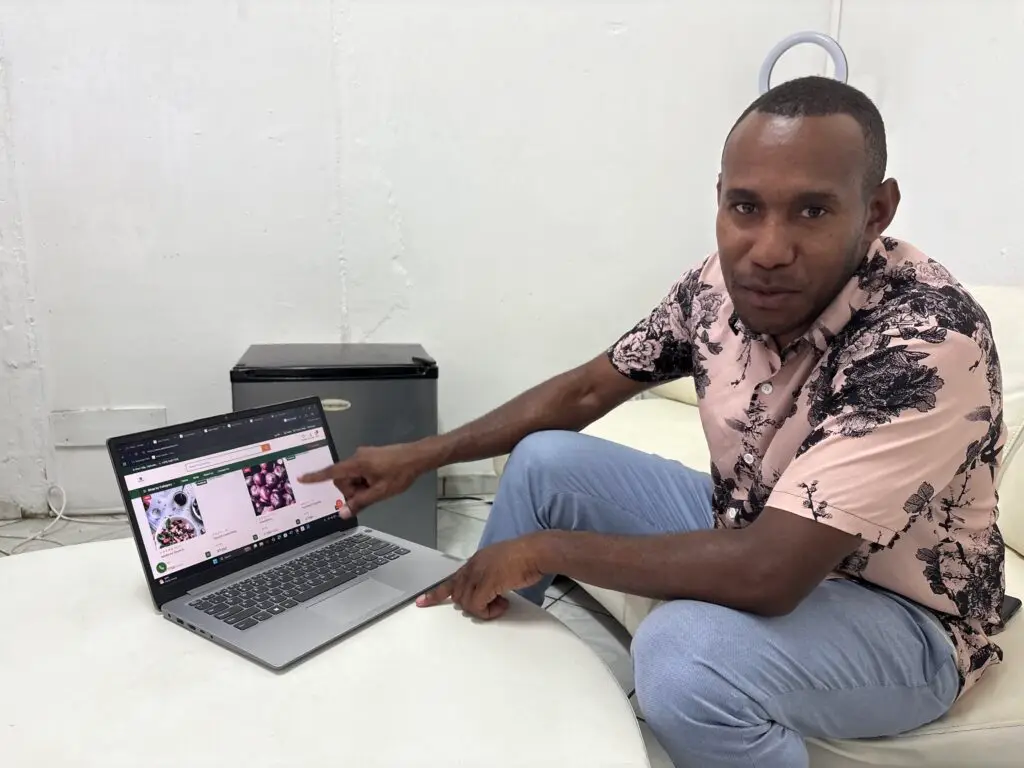
PORT VILA, Vanuatu — A young entrepreneur from Vanuatu is redefining what employment can look like after university. Instead of seeking a traditional job, Rexta Abraham, an economics and business graduate from the University of the South Pacific, is building his own opportunities through online business, also thanks to what he learnt at the Training Workshop component of the Pacific Island Forum Secretariat’s (PIFS) E‑Biz program which was funded by the Pacific Agreement on Closer Economic Relations Plus or PACER Plus. From Sarete Village in Espiritu Santo, Rexta first came across the program through a Facebook advert and applied mostly out of curiosity. Though he was not new to business and entrepreneurship, the training opened his eye to something new: how e‑commerce can expand reach, reduce marketing costs, and help him find clients faster. When asked to share his testimony about the E-Biz training program, Rexta explained: “I had planned to start a business in Port Vila and import second-hand clothes to resell here. However, after taking the course, I discovered two things: first, the power of the internet when used correctly to create business opportunities; and second, how effective it is to reach customers through digital marketing without needing to leave my home.” Rexta Abraham Rexta Abraham is building his own opportunities through online business. Just a year after completing the course, Rexta has already set up two growing businesses: 1. Aelan Basket (under development) An online shopping platform designed to connect customers with key supermarkets in Vanuatu. It will also allow drop‑shipping from platforms such as Alibaba and Shein. Drop-shipping is a business model where you can sell products online without keeping any stock. When someone buys from you, you place the order with a supplier, and the supplier ships the item straight to the customer. The service is especially useful for seasonal workers abroad, giving them a simple way to shop for their families back home from abroad, cutting down on remittance misuse, saving time, and ensuring essential items reach households directly. 2. City Cars Vanuatu (operational via Facebook) An online marketplace for second‑hand vehicle set up in late 2025 and with already over 11,000 followers. Currently, it is operating on Facebook only. To date, the company has sold, on average, three vehicles per month. The business targets both domestic buyers and Ni‑Vanuatu living abroad who want a trusted seller for vehicles in country. Rexta Abraham has set up Aelan Basket, an online shopping platform designed to connect customers with key supermarkets in Vanuatu. Rexta is currently in discussion with the two telecommunication companies in Vanuatu to integrate both his business platforms with mobile payment solutions, namely M-Vatu (Vodafone) and MyCash (Digicel). Allowing customer payments via mobile wallet addresses two common barriers: the limited number of people in Vanuatu who own a Visa card and the lack of trust in buying goods online. By using familiar mobile wallets and having a physical presence in Vanuatu, he hopes to reduce perceived risks and increase consumer confidence to buying online. The PIFS E-Biz Plus program aims at supporting MSMEs in starting their business journey online, and Rexta’s experience is a powerful testament to what the program aims to positively impact. It demonstrates how digital skills can open new opportunities for youth, foster innovation and contribute to Vanuatu’s growing digital economy. The implementation of the PIFS E-Biz Plus program was kindly supported by the PACER Plus Implementation Unit. Story and images provided by PIFS E-Biz Plus Program More articles like this one