
PACER Plus Implementation Unit attends FTOM and FTMM in Fiji
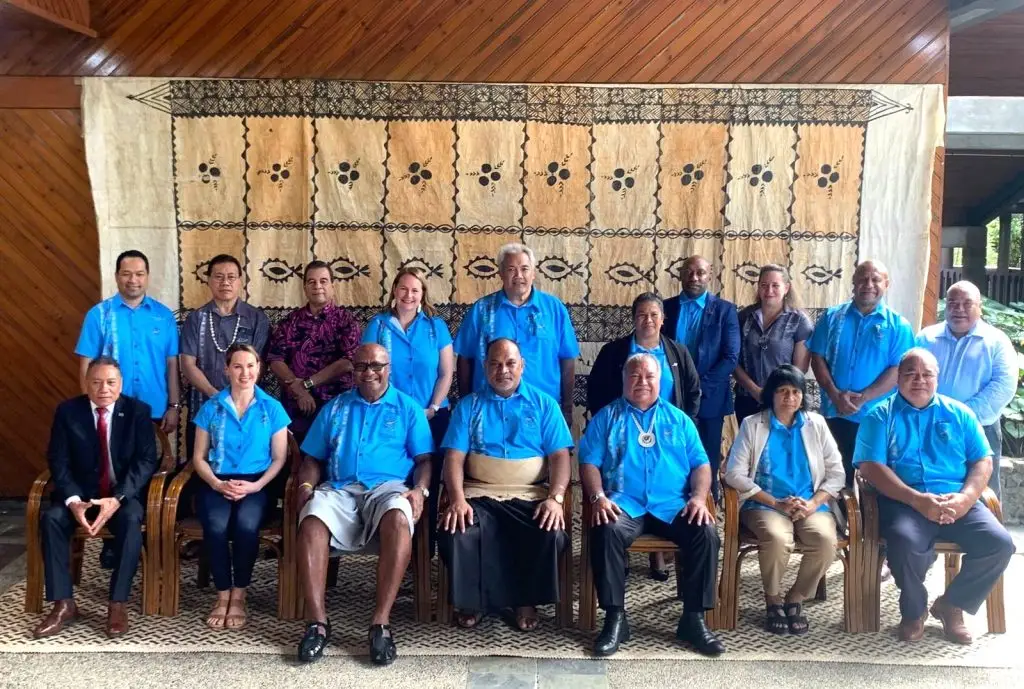
SUVA, Fiji – The Forum Trade Officials and Trade Ministers meeting was convened on 16-18 July 2025 in Suva, Fiji, to deliberate on key trade issues affecting the Pacific region, against the backdrop of an increasingly complex global and regional economic landscape. Ministers reaffirmed their commitment to a rules-based multilateral trading system to enhance the region’s gains from international trade. The geographic development challenges of the region further underscored the critical need for increased regional integration through regional initiatives that reflect the region’s collective needs and priorities. These initiatives include the 2050 Strategy for the Blue Pacific Continent, the Pacific Roadmap for Economic Development (PRED), and the Pacific Aid for Trade Strategy. The draft Pacific Regional Labour Mobility Principles were also considered as directed by Forum Leaders in 2023. Hon. Peter Shanel Agovaka, Minister of Foreign Affairs and External Trade of Solomon Islands, delivered a statement on behalf of the PACER Plus Parties, highlighting progress and milestones since the Agreement entered into force in 2020. In his remarks, Hon. Agovaka highlighted the integral role of PACER Plus in promoting regional economic integration through reducing barriers to trade and optimising opportunities in trade in goods, services trade, investment and labour mobility. While reaffirming PACER Plus Parties commitment to a predictable rules-based trading system, Hon. Agovaka also encouraged other Forum members’ accession to PACER Plus to increase the impact of the Treaty and to further deepen regional economic integration in the Pacific. During the meeting, Ministers approved observer status for the PACER Plus Implementation Unit (PPIU) to the Forum Trade Ministers Meeting. The PPIU welcomed this decision as a strategic step towards enhancing regional trade coordination and participation in key regional trade discussions. The PPIU also used the opportunity during the meeting to meet with regional partners to discuss alignment of priorities and collaboration opportunities. -ENDS- More articles like this one
Six Niuean entrepreneurs receive boost for e-commerce growth
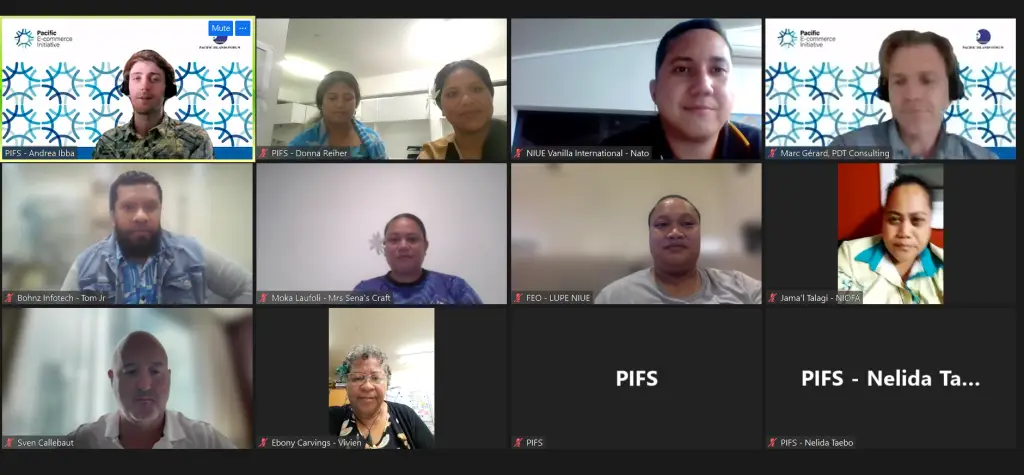
ALOFI, Niue – The Pacific Islands Forum Secretariat (PIFS), in partnership with the PACER Plus Implementation Unit (PPIU), is pleased to announce the selection of six Niuean small businesses to receive e-commerce coaching and grant support valued at a total of AU$45,000. The program’s official launch was marked by a virtual kickoff meeting on 3 July 2025 (Niue time), kicking off Phase 2 of the PIFS E-Biz Plus Program in Niue. PIFS Director of Programmes and Initiatives, Mr Zarak Khan highlighted, “This phase builds on last year’s foundation, where we equipped businesses with essential e-commerce tools and training. We’re now investing in six promising Niuean entrepreneurs to help accelerate their growth online, supporting the vision of the 2050 Strategy for the Blue Pacific Continent and the Pacific Regional E-commerce Strategy and Roadmap.” Niue Vanilla International, a privately owned Niuean family business, is one of six businesses to receive e-commerce coaching and grant support. One of the selected businesses is Niue Organic Farmers Associations (NIOFA). “At NIOFA, we’re passionate about organic farming and sharing sustainable practices with our community, especially the next generation. Our goal is to educate, inspire, and open pathways to overseas markets through storytelling and digital outreach.” Jamal Talagi, Head of NIOFA said, “We’re truly grateful for this opportunity, which will help us strengthen our message, grow our visibility, and promote Niue’s unique values to the world.” Apart from NIOFA, the selected businesses represent a diverse and dynamic cross-section of Niue’s economy: Niue Vanilla International – A small family business producing quality Niue vanilla, and seeking to expand reach and improve access for overseas customers through website upgrade and establishing a mirror site, to help with overseas payments and better promote Niue. Mrs Sena’s Crafts – A creator of authentic Niuean handicrafts like hats, earrings and mats. Through the program, the business plans to rebrand to build a legacy, on that shares the story of their journey. Additionally, the businesses seek to obtain strategic marketing support capitalising on its social media presence. Ebony Carvings – A maker of handcrafted wood jewellery and artistic carvings, with a goal to grow the business and expand its reach in the handicraft sector through its social media platforms. Lupe Niue – Lupe Niue is planning to launch an online store to make products like banana chips more accessible and boost direct sales to customers. Bohnz Infotech – An emerging provider of electronics and IT services, planning to formally its services, through establishing a retail outlet and online platforms, and implementing strategic marketing strategies. PPIU provided AU$100,000 to support Phase 2 of the PIFS E-Biz Plus program, involving e-commerce coaching and grant scheme in Niue. This project builds on previous joint efforts between PPIU and PIFS to support Pacific businesses in the digital economy, following the successful rollout of Phase 1 of the PIFS E-Biz Plus program in Vanuatu, Tonga, and Niue in 2024, involving the development of e-commerce business toolkits and training workshops. “At the heart of PACER Plus is a commitment to inclusive economic growth across the Pacific,” said Dr. Alisi Holani, Trade in Services and Investment Adviser and Labour Mobility Specialist. “We’re proud to support Niue’s small businesses in embracing digital tools that allow them to compete beyond their shores, reduce trade costs, and improve profitability.” PACER Plus, a unique regional trade agreement between Niue, seven Pacific Island countries, Australia, and New Zealand, was designed to drive economic growth and improve the livelihoods of Pacific peoples. For Niue, PACER Plus represents access to a broader market, targeted development assistance, and a platform for economic resilience in an increasingly connected world. Through this next phase of the PIFS E-Biz Plus, these six MSMEs will receive personalised coaching and financial assistance to help them grow their businesses and tap into new opportunities in the digital economy. -ENDS- More articles like this one
New Biosecurity Equipment to Support Tonga’s Trade and Food Safety Systems

NUKU’ALOFA, Tonga – Tonga’s ability to protect its people, environment, and trade is set to strengthen with the official handover of vital biosecurity and quarantine equipment funded by the PACER Plus trade agreement’s Development and Economic Cooperation (DEC) Work Program. The new tools — valued at AU$185,350 or TOP$288,003 — are designed to enhance Tonga’s sanitary and phytosanitary (SPS) systems and include a digitised Quarantine Management Information System with IT infrastructure, a state-of-the-art fumigation chamber, protective gear, inspection tools, and an incinerator to safely manage imports and exports. Tonga’s Minister for Agriculture, Food and Forests, Hon. Siosiua Moala Halavatau (left) and the Head of the PACER Plus Implementation Unit, Mr. Roy Lagolago signs the Contribution Agreement during the official handover in Nuku’alofa, Tonga. This equipment will help Tonga meet international SPS standards, ensuring continued and expanded access to key export markets such as Australia and New Zealand. Minister for Agriculture, Food and Forests, Hon. Siosiua Moala Halavatau, welcomed the handover, describing it as a step forward for Tonga’s agricultural and trade sectors. “This is not just a handover of tools. It’s a handover of confidence for our farmers, for our exporters, and for our consumers. Tonga is committed to meeting the highest international standards for food safety and plant and animal health. With this support from PACER Plus, we are better equipped to ensure the quality and safety of our exports, protect our environment, and grow our economy.” Hon. Siosiua Moala Halavatau, Minister for Agriculture, Food and Forests Head of the PACER Plus Implementation Unit (PPIU), Mr. Roy Lagolago, praised the collaborative nature of the initiative. “The PPIU is proud to partner with PHAMA Plus in delivering the fumigation chamber, an important piece of infrastructure that will directly benefit Tongan exporters. This partnership recognises the work that PHAMA Plus is already doing in Tonga and also avoids duplication of efforts and resources. The PHAMA Plus work in facilitating market access for Pacific produce to Australia and New Zealand is important and is a conduit for increased trade under PACER Plus,” said Mr. Lagolago. Tonga’s Minister for Agriculture, Food and Forests, Hon. Siosiua Moala Halavatau (left) with the Head of the PACER Plus Implementation Unit, Mr. Roy Lagolago at the official handover in Nuku’alofa, Tonga. Tongan exporters, many of whom face strict market access requirements, say the equipment couldn’t come at a better time. “Our work involves exporting watermelon to New Zealand. Previously, we faced significant challenges with fumigation, often having to collaborate with another exporter for this process. This new equipment is a considerable asset because its large fumigation chamber will greatly expedite the fumigation process, making our work much more efficient.” Ms. Seini Tu’ivai, Senior Assistant Secretary for the Exporter Division at Tonga’s Ministry of Trade and Economic Development The handover forms part of PACER Plus’s mission to build sustainable capacity across the region, ensuring Pacific Island countries are not only connected to markets but also equipped to meet the standards and seize the opportunities that come with it. -ENDS- More articles like this one
Pacific Workers’ Superannuation Talanoa Address Critical Issues

APIA, Samoa – The Pacific Australia Labour Mobility (PALM) scheme and the Recognised Seasonal Employers (RSE) program have been instrumental in promoting economic development and fostering regional cooperation among Pacific participant countries. However, an ongoing challenge faced by workers under these schemes relates to superannuation arrangements and the accessibility of funds upon return to their countries of origin. To address this pressing issue and find a comprehensive regional solution, the PACER Plus Implementation Unit initiated the first Regional Virtual Talanoa on Superannuation Arrangements in the RSE and PALM Schemes today. The virtual talanoa was an outcome of the 2022 Pacific Labour Mobility Annual Meeting (PLMAM) and aimed to increase understanding of existing superannuation arrangements, the issues involved and establish a regional way forward to addressing these issues. Key stakeholders from Australia and New Zealand, Pacific PACER Plus Parties and Signatories to the PACER Plus Arrangement on Labour Mobility, as well as representatives from PALM and RSE labour sending countries which are not Parties to the PACER Plus met virtually today for the first Regional Virtual Talanoa on Superannuation Arrangements in the RSE and PALM Schemes. In establishing this regional way forward on superannuation, it was important to ensure an inclusive talanoa that can mutually deliver benefits to both labour sending and labour receiving countries. The talanoa therefore brought together key stakeholders from Australia and New Zealand, Pacific PACER Plus Parties and Signatories to the PACER Plus Arrangement on Labour Mobility, as well as representatives from PALM and RSE labour sending countries which are not Parties to the PACER Plus. Superannuation arrangements differ between Australia and New Zealand, with Australian laws mandating Approved Employers to contribute 11 percent of gross earnings to workers’ superannuation funds. On the other hand, New Zealand’s RSE program does not require employers to make superannuation contributions, but the New Zealand government and RSE employers have looked into other superannuation arrangements for workers. Superannuation funds are additional financial flows that can support Pacific households and communities as well as contribute to economic development in Pacific labour sending countries. These monies are claimed upon workers’ return to their countries and exists as a form of savings additional to their wages. Improving the process for claiming these funds and exploring opportunities for transfers to national provident funds would increase the benefits to workers and their communities. During today’s virtual gathering, participants engaged in candid discussions, exchanged perspectives, and jointly explored feasible solutions that ensure equitable and efficient superannuation arrangements for all workers under the RSE and PALM schemes. The PACER Plus Implementation Unit is committed to fostering stronger cooperation among labour receiving and sending countries and is confident that it is through increased cooperation that arrangements such as for superannuation can be improved so as to increase benefits to the Pacific. -ENDS- More articles like this one
Pacific Trade Strengthened as Regional Workshop Concludes in Honiara

HONIARA, Solomon Islands – The Pacific Regional Advanced Trade in Goods Workshop, a key event aimed at strengthening trade capacity in the Pacific, has successfully concluded. The three-day workshop, held from 12-14 August 2024, was organised through a partnership between the Australian Government’s Department of Foreign Affairs and Trade (DFAT) and the PACER Plus Implementation Unit (PPIU). Mr. Colin Beck (center), Permanent Secretary of Solomon Islands’ Ministry of Foreign Affairs and External Trade with Mr. Andrew Schloeffel (fifth from left), Australian Deputy High Commissioner to Solomon Islands and government officials from PACER Plus Pacific countries at the Pacific Regional Advanced Trade in Goods Workshop in Honiara, Solomon Islands. The workshop brought together government officials from Cook Islands, Kiribati, Niue, Samoa, Solomon Islands, Tonga, Tuvalu, and Vanuatu to deepen their understanding of the rules-based trading system, World Trade Organisation (WTO) structures, agreements, and the challenges and opportunities they present to Pacific Island countries. Participants also explored the intricacies of multilateral and regional trade agreements, including PACER Plus, and their applications within the region. Mr. Colin Beck, Permanent Secretary of Solomon Islands’ Ministry of Foreign Affairs and External Trade. In his opening remarks, Mr. Colin Beck, Permanent Secretary of Solomon Islands’ Ministry of Foreign Affairs and External Trade, highlighted the significance of PACER Plus supporting customs automation and improvement in biosecurity measures in Solomon Islands. “PACER Plus has the potential to be a powerful tool for our development, but it is crucial that its initiatives are country-initiated and country-led. There is an opportunity to strengthen delivery of PACER Plus initiatives, ensuring it truly meets the needs of our people.” Colin Beck, Permanent Secretary of Solomon Islands’ Ministry of Foreign Affairs and External Trade Mr. Andrew Schloeffel, Australian Deputy High Commissioner to Solomon Islands, highlighted the role of trade in driving sustainable growth and economic resilience in the Pacific. “Under PACER Plus, all member countries have tariff and quota-free access to Australia. This covers all product lines — 100 percent of products exported enter Australia duty-free. And this commitment will continue irrespective of the development status of each member country.” Andrew Schloeffel, Australian Deputy High Commissioner to Solomon Islands The workshop is part of broader capacity-building efforts for the Pacific region, designed to enhance the understanding of trade-related issues and support the economic integration of Pacific Island countries into the global trading system. -ENDS- More articles like this one
PACER Plus Joint Committee Charts Strategic Path Forward for Pacific Trade and Development

HONIARA, Solomon Islands – The Eighth Meeting of the PACER Plus Joint Committee concluded on Tuesday 6 May 2025 in Honiara, Solomon Islands, bringing together senior government officials from Australia, Cook Islands, Kiribati, New Zealand, Niue, Samoa, Solomon Islands, Tonga, Tuvalu, and Vanuatu. Chaired by Ambassador Collin Beck, Permanent Secretary of the Solomon Islands Ministry of Foreign Affairs and External Trade, the two-day meeting provided a crucial platform for Parties to review progress, reimagine the future of PACER Plus, and strengthen regional economic integration. Senior government officials from the ten PACER Plus Parties gathered in Honiara, Solomon Islands for the Eighth PACER Plus Joint Committee Meeting. Ambassador Beck underscored the significance of PACER Plus in navigating today’s uncertain global trade environment. “PACER Plus was envisioned as a pathway toward deepening economic integration across the Blue Pacific Continent by creating a predictable, rules-based trade environment and unlocking targeted development assistance through the PACER Plus Development and Economic Cooperation (DEC) Work Programme. This meeting was an opportunity to reflect on the past, reimagine the Agreement’s next phase, and ensure it delivers meaningful impact for our people.” Ambassador Collin Beck, Permanent Secretary of the Solomon Islands Ministry of Foreign Affairs and External Trade The DEC Work Programme, funded by Australia and New Zealand, is a cornerstone of PACER Plus implementation, designed to support Pacific Island countries in building trade capacity, strengthening industries, and overcoming barriers to economic growth. It provides targeted assistance in areas such as export development, trade facilitation, and skills training, ensuring that Pacific Parties can fully benefit from regional and global trade opportunities. Ms. Natalia Patternot, Director, Department of External Trade with the Ministry of Foreign Affairs and External Trade in Solomon Islands speaks at the PACER Plus Joint Committee Meeting. The meeting approved high-level strategic priorities for the next DEC Work Programme cycle (2025-2030) commencing the work towards confirming arrangements required for continuation of the DEC Work Programme beyond 2025. Discussions emphasised the need for a sharper focus on export development, value chain strengthening, reducing shipping and logistics costs, and targeted skills development. The meeting also highlighted the importance of private sector engagement, digital trade as a key economic driver, and the alignment of strategic priorities with measurable 2030 targets under the Monitoring, Evaluation, Learning and Adaptation (MELA) Framework. Parties reaffirmed PACER Plus as a vital mechanism for regional economic integration, in line with the 2050 Strategy for the Blue Pacific Continent. Expanding membership remains a key priority, with commitments to advocate for new members to join the Agreement. Mr. Alan Armistead, Director of International and Trade Affairs Division with the Ministry of Foreign Affairs and Immigration Cook Islands speaks at the PACER Plus Joint Committee Meeting. Australia and New Zealand provided updates on the current internal governance reviews required to confirm resourcing for the next DEC Work Programme (2025-2030). Ambassador Beck expressed gratitude on behalf of all Parties: “We deeply appreciate the ongoing commitment of Australia and New Zealand to PACER Plus, both through their current funding and their expressed support for the next phase. Their partnership is instrumental in ensuring Pacific nations can harness trade for sustainable development.” The Joint Committee reaffirmed Parties’ commitment to the rules-based multilateral trading system, with the World Trade Organisation at its core. A joint statement was adopted as follows: “We affirm our commitment to a transparent, non-discriminatory, and open rules-based multilateral trading system which provides certainty and predictability for businesses, builds trust and confidence among consumers, and underpins the growth of international trade and development. In the face of mounting challenges, including disruptions in global supply chains, rising protectionism and climate change, our collective commitment to these principles and the maintenance of trade openness is more crucial than ever,” the statement read. Parties also pledged to uphold a special and differential treatment for Small Island Developing States, ensuring tailored support to safeguard food security, livelihoods, and effective participation in global trade. The outcomes of this meeting will guide the next phase of PACER Plus, ensuring it remains responsive to the needs of the Pacific and delivers tangible benefits for the region. To read the full Eighth PACER Plus Joint Committee Outcome Summary, please click here. -ENDS- More articles like this one
PACER Plus Joint Committee to Convene in Honiara for Critical Talks on Regional Economic Cooperation

HONIARA, Solomon Islands – Senior officials from across the Pacific will gather in Honiara next week for the eighth meeting of the Pacific Agreement on Closer Economic Relations (PACER) Plus Joint Committee, set to take place on 5-6 May 2025. The meeting will be chaired by Mr. Collin Beck, Permanent Secretary of the Solomon Islands Ministry of Foreign Affairs and External Trade, and will bring together representatives from Australia, Cook Islands, Kiribati, New Zealand, Niue, Samoa, Solomon Islands, Tonga, Tuvalu, and Vanuatu. The two-day meeting will focus on reviewing progress under the PACER Plus agreement, including updates on the implementation of the 2024-2025 annual work plan. The Samoa-based PACER Plus Implementation Unit (PPIU), led by Mr. Roy Lagolago, will provide a detailed report on ongoing activities supporting the treaty’s objectives, particularly under the Development and Economic Cooperation (DEC) Work Programme and the Arrangement on Labour Mobility. Senior officials from across the Pacific will meet in Honiara, Solomon Islands for the two-day PACER Plus Joint Committee Meeting reviewing progress under the PACER Plus agreement, including updates on the implementation of the 2024-2025 annual work plan. Australia and New Zealand have been key partners in supporting PACER Plus, jointly committing AU$25 million in October 2021 to fund the DEC Work Programme, which is managed by the PPIU. This funding, set to conclude in December 2025, has been instrumental in strengthening regional trade integration and addressing the unique development challenges faced by Pacific Island nations. Discussions at the meeting will include the potential extension of the DEC Work Programme to ensure continued progress. “PACER Plus is more than a trade agreement — it’s a commitment to sustainable development and shared prosperity across the Pacific. This meeting is an opportunity to assess our achievements, address challenges, and plan for the future, ensuring that the benefits of regional economic integration reach all our communities.” Roy Lagolago, Head of the PPIU PACER Plus was designed with a strong emphasis on supporting the Pacific Parties’ participation in international trade while addressing their distinct vulnerabilities and capacity constraints. The agreement recognises the critical role of regional cooperation in fostering long-term socio-economic development. The outcomes of the Joint Committee meeting will help shape the next phase of PACER Plus implementation, reinforcing its role as a cornerstone of Pacific economic resilience and integration. -ENDS- More articles like this one
The Woman Behind Vanuatu’s First Certified Kava Export
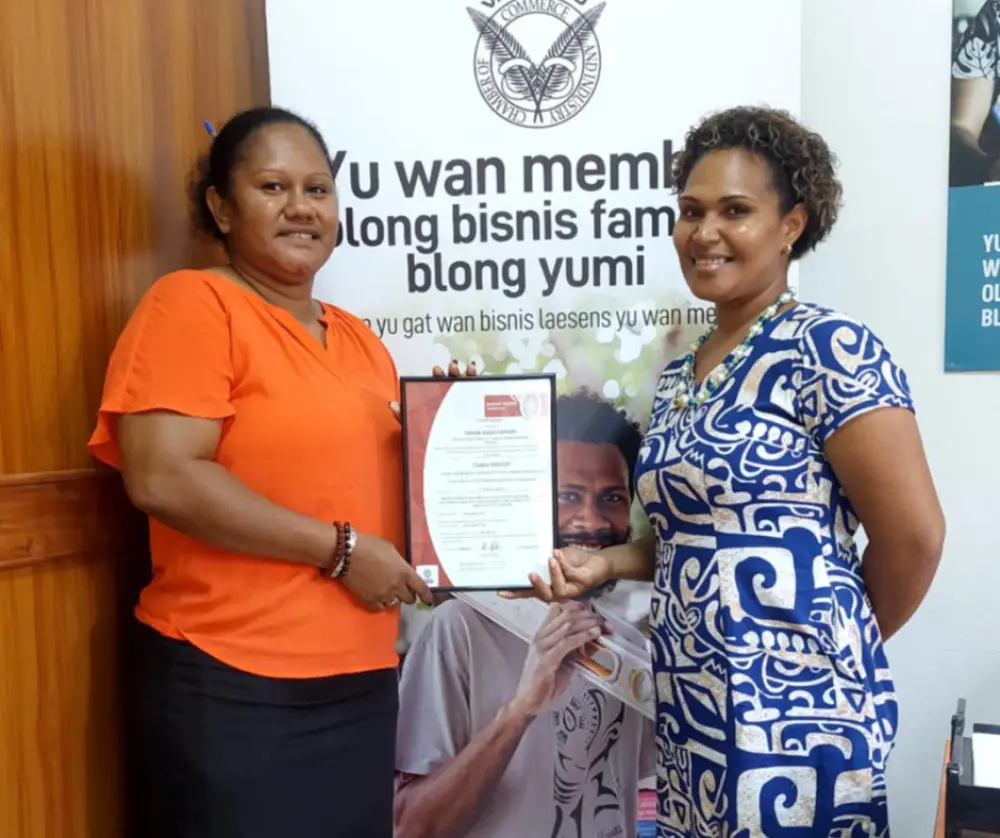
PORT VILA, Vanuatu – In the highlands of Espiritu Santo, Vanuatu’s largest island, where kava farming has long been a man’s world, Sergine Tahun is rewriting the rules. The determined entrepreneur behind Tahun Kava Exports Limited has not only carved out a space for herself in a competitive industry but has also become the first woman-owned kava exporter in Santo to achieve the internationally recognised HACCP certification – a milestone that promises to open doors to global markets. For Sergine, the journey began with a simple frustration. “I used to source kava directly from farmers to resell locally, but I found myself constantly waiting for customers to pay,” she recalls. “I knew there had to be a better way.” That realisation led her to explore exporting – a path that required navigating complex regulations, building relationships with overseas buyers, and elevating her business to meet international standards. From Local Trade to Global Ambitions Determined to succeed, Sergine sought guidance from biosecurity officials to understand export requirements – everything from proper cleaning techniques to packaging standards. She also connected with families in New Caledonia who run nakamals (traditional kava bars), planting the seeds for future trade. “I wanted them to know my kava was different – premium quality, handled with care,” she says. Tahun Kava Exports Limited owner, Ms. Sergine Tahun (left), receives her HACCP Certificate from VCCI SANMA Provincial Officer, Ms. Candyce Simeon. But breaking into the industry wasn’t easy. “When I started, the market was tough. There was lots of competitors, few opportunities,” she admits. Yet, through persistence, Sergine refined her products, expanded her network, and gradually built trust with farmers in remote areas, where weather and logistics often disrupted supply chains. Her secret weapon? A dedicated farm manager, Govany Maleb, who bridges the gap between her and the predominantly male farming community. “He reassures them that even though a woman owns the business, I know what I’m doing,” Sergine laughs. Maleb doesn’t just collect kava – he supports farmers with nursery management and equipment, fostering loyalty in an industry where relationships are everything. The Balancing Act Running a business in a male-dominated field while raising a family hasn’t been simple. “As a wife and mother, there are days when it feels overwhelming,” Sergine confesses. Yet, her resolve never wavers. “I want to prove that women can thrive in this space – and that collaboration, not competition, is the way forward.” Kava farmers in Espiritu Santo. Running a business in a man-dominated industry comes with it’s challenges, says Sergine. “Even though a woman owns the business, I like to reassure the farmers that I know what I’m doing,” she laughs. Her perseverance paid off when PACER Plus, through the Vanuatu Chamber of Commerce and Industry (VCCI), supported her in securing Hazard Analysis and Critical Control Points (HACCP) certification – a game-changer for her business.. “This certification means everything,” Sergine says. “Before, buyers didn’t know us. Now, the enquiries are pouring in.” Since November 2024, she’s sent samples to international buyers, with eight shipments already dispatched between December 2024 and February 2025. Mr. Alipate Tavo, Trade Adviser with the PACER Plus Implementation Unit (PPIU), emphasises the significance of Tahun Kava’s achievement. “Sergine’s success isn’t just about one business – it’s a testament to what Pacific women can accomplish with the right support. Her certification lifts the entire sector, showing that Vanuatu’s kava can compete globally.” A Message to Pacific Women: “Dream Boldly” Sergine’s advice to other women is simple but powerful: “Don’t let social or cultural limits stop you. If you want something, go for it. Yes, it’s hard, but if I can do it, so can you.” With her eyes set on expanding into new markets and diversifying her product range, Tahun Kava Exports is proof that tradition and innovation can blend as smoothly as the drink she sells. And for the farmers of Espiritu Santo, that’s something worth raising a shell to. -ENDS- More articles like this one
Bottling the Fragrance of Samoa
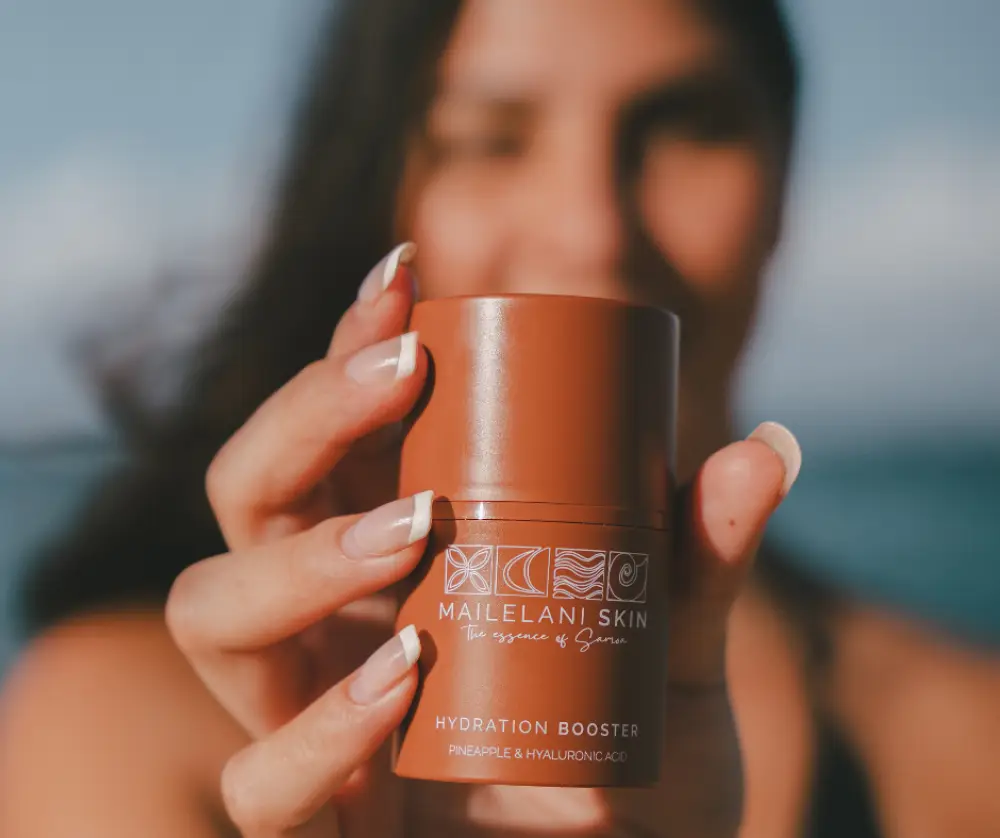
How Mailelani is Turning Coconuts into Global Success The sweet scent of moso’oi (ylang-ylang) and rich cocoa butter hangs in the air as Sylvie Salanoa carefully inspects a fresh batch of coconut oil soap at her Mailelani Samoa Body Care gift shop outside Apia, Samoa. It’s a far cry from the humble beginnings 25 years ago when she and her husband Kitiona first dreamed of creating soap from Samoan coconuts in their family kitchen. “We started with one simple question,” Sylvie recalls, her hands holding a bar of their signature frangipani-scented soap. “How can we share the true essence of Samoa with the world?” Today, that question has blossomed into a thriving business with eight varieties of artisan soaps, luxurious body oils, exfoliating scrubs, and their newest triumph — a premium facial care line launched in early 2024 with support from the PACER Plus Agreement. From Kitchen Experiments to International Shelves The journey wasn’t without its challenges. “Oh, we wanted to give up many times!” Sylvie laughs. Early batches didn’t set properly. Supply chains were unpredictable. Export regulations seemed impossible to navigate. But through perseverance and community support, what began as a cottage industry now supplies retailers across Samoa, Australia, New Zealand and beyond. Each product tells a distinctly Samoan story. The cocoa range pays homage to the islands’ national drink. The delicate frangipani line celebrates the flower Samoan women traditionally wear behind their ears. The moso’oi captures the islands’ signature fragrance. “What makes Mailelani special is that we’re not just making products — we’re preserving culture,” Sylvie explains. “When someone uses our cocoa body butter, we want them to feel connected to Samoa’s rich traditions.” Rooted in Community, Growing Through Trade The business model is as sustainable as their ingredients. Mailelani sources raw materials from rural villages across Samoa, creating economic opportunities while maintaining authentic island recipes. This community-focused approach caught the attention of the PACER Plus Implementation Unit (PPIU). “Mailelani represents exactly what PACER Plus was designed to support. By assisting with their packaging clearance costs, we’re helping a homegrown business scale up while maintaining its cultural integrity. Their success shows how regional trade agreements can empower Pacific entrepreneurs to compete globally without compromising local values.” Alipate Tavo, PPIU Trade Adviser For Sylvie, the PACER Plus support came at the perfect moment. “That new facial line was our dream for years, but the import costs for proper packaging seemed impossible. When PACER Plus stepped in, it was confirmation from God telling us to ‘keep going’.” The Sweet Smell of Success While setting up her products, Sylvie reflects on the unexpected rewards of their quarter-century journey. “The creativity we’ve discovered, the people we’ve met, the places our little soaps have traveled — it’s more than we ever imagined.” She gently places a newly wrapped moso’oi soap into a gift box, ready for its journey to a boutique in Auckland. “Every time someone opens one of our products, they’re experiencing a piece of Samoa. That makes every challenge worthwhile.” With their expanded product line and growing international presence, Mailelani Samoa Body Care continues to prove that traditional wisdom and modern entrepreneurship can create something truly beautiful. Or as Sylvie puts it: “We’re not just selling soap — we’re sharing alofa (love) from our islands to the world.” Mailelani Samoa Body Care products are available at select retailers in Samoa and online by clicking here. Did You Know? Mailelani means “from heaven” in Samoan. All products are made with sustainably sourced local ingredients. The business supports dozens of rural Samoan families through its supply chain. -ENDS- More articles like this one
Customs officers upskill to improve cross border e-commerce

NADI, Fiji – Customs officials from 16 Pacific countries are gathering in Nadi, Fiji this week for a five-day workshop (17-21 March) to understand the World Customs Organisation (WCO) tools and initiatives aimed at facilitating and securing cross-border e-commerce. The workshop, co-hosted by the Oceania Customs Organisation (OCO) and the PACER Plus Implementation Unit (PPIU), brings together 25 participants from American Samoa, Australia, Cook Islands, Fiji, Papua New Guinea, Northern Marianas, Federated States of Micronesia, Kiribati, Niue, Nauru, Samoa, Solomon Islands, New Caledonia, Guam, Tonga and Tuvalu. Experts from Japan Customs are also co-facilitating the sessions. Customs officials from 16 Pacific countries are Fiji this week for a five-day workshop to understand the WCO tools and initiatives aimed at facilitating and securing cross-border e-commerce. “This workshop directly supports our mission to enhance economic integration and sustainable development in the Pacific through PACER Plus. While customs administrations address the regulatory aspects, PACER Plus is also focused on helping Parties to enhance legislative framework on ecommerce and support Pacific businesses seize the opportunities of digital trade. We are helping customs officers understand both sides of e-commerce thereby creating pathways for Pacific products to reach global markets while maintaining appropriate safeguards.” Roy Lagolago, Head of the PPIU E-commerce in the Pacific has grown by over fifty per cent since 2020, with around thirty per cent of Pacific Islanders now regularly shopping online, according to the Pacific E-commerce Assessment Report and the Pacific Regional E-commerce Strategy and Roadmap. A 2024 OCO Gap Analysis, supported by the United Nations Conference on Trade and Development (UNCTAD) and funded by the European Union, showed that small parcel shipments to the region have increased by over 200 per cent in the past three years. Approximately 85 per cent of these packages are valued under US$100, posing challenges for customs administrations. Some major ports now process up to 5,000 small e-commerce parcels daily, as per WCO regional data. “As customs officials, our primary concern is implementing international standards that facilitate legitimate trade while protecting our borders. This workshop focuses on the eight guiding principles of the WCO Framework of Standards for Cross-Border E-Commerce, which provides our members with a harmonised approach to this growing trade channel.” Nancy T. Oraka, Head of Secretariat for OCO Participants visited the DHL facility in Nadi gaining a better understanding of e-commerce logistics and the partnership between customs and private sector players. This is the first regional workshop focused on building capacity for implementing the WCO Framework of Standards for Cross-Border E-Commerce in the Pacific context. Both PPIU and OCO are one of the implementing agencies of the Pacific Regional E-Commerce Strategy and Roadmap, under Priority Area Three on Trade Logistics and Trade Facilitation. Participants explored advanced processing systems to manage the surge in small consignments and targeted risk assessment methods to identify potentially dangerous or illegal shipments while ensuring the smooth flow of legitimate goods. They also examined strategies for applying effective, efficient, scalable and flexible revenue collection models for low-value imports, tailored to national circumstances – a key challenge for Pacific nations. The workshop featured insights from key stakeholders, including the WCO, Pacific Islands Forum Secretariat, UNCTAD, DHL Express, and Siuhuu Online Marketplace, highlighting the importance of public-private collaboration in cross-border e-commerce. Participants also visited the DHL facility in Nadi gaining a better understanding of e-commerce logistics and the partnership between customs and private sector players. Drawing from their experiences and challenges, participants will develop national and regional action plans to guide OCO members in their implementation of international standards for cross-border e-commerce. “The knowledge and strategies developed during this workshop will strengthen not just individual administration but our collective regional approach to e-commerce,” added Ms. Oraka. “As our digital economy continues to grow, customs administrations must evolve to facilitate legitimate trade while addressing emerging risks.” -ENDS- More articles like this one