
Trade Information Portal Streamlines Pacific Trade Processes

APIA, Samoa – The PACER Plus Regional Workshop on Trade Information Portals (TIPs) commenced on Tuesday 4 June in Apia, Samoa. This workshop aims to enhance the accessibility of trade-related information for PACER Plus countries to increase their regulatory transparency in trade and investment-related capacity to reach the standards set out in PACER Plus. A TIP is a one-stop website where countries can access information on trade import and export procedures, laws, and regulations, for engaging in international trade. This platform makes complex trade procedures understandable by displaying them step-by-step from start to finish, from a trader’s point of view. Government officials from PACER Plus parties – Cook Islands, Kiribati, Niue, Samoa, Solomon Islands, Tonga, Tuvalu, Vanuatu, and UNCTAD – were present at the Regional Workshop on Trade Information Portals in Apia, Samoa. The Pacific Agreement on Closer Economic Relations (PACER) Plus is a unique trade agreement designed to raise living standards, create jobs, and boost exports from Pacific Island countries. By lowering trade barriers, PACER Plus provides greater certainty for businesses operating in the Pacific region. Julian Fraga-Campos, Economic Affairs Officer at the UN Trade and Development (UNCTAD), is leading the training sessions. “The establishment of Trade Information Portals is crucial for increasing transparency, enhancing predictability and facilitating smoother trade processes within the PACER Plus framework,” said Mr. Fraga-Campos. Alipate Tavo (left), PACER Plus Implementation Unit’s Trade and Investment Adviser, speaks at the closing of the Regional Workshop on Trade Information Portals with Julian Fraga-Campos, Economic Affairs Officer at the UN Trade and Development (UNCTAD). Government officials from PACER Plus parties – Cook Islands, Kiribati, Niue, Samoa, Solomon Islands, Tonga, Tuvalu, and Vanuatu – were present at the workshop. The workshop focuses on the creation of capacity among government officials for the implementation, management and sustainability of TIPs, as well as in providing training on notifications send through Contact Points and awareness of its obligations to ensure that all PACER Plus countries are informed and able to comply with the agreement’s standards. Alipate Tavo, PACER Plus Implementation Unit’s (PPIU) Trade and Investment Adviser, emphasised the importance of cooperation among PACER Plus countries. “As part of the PACER Plus agreement, countries have an obligation to share trade information and policy amendments with other PACER Plus parties. This ensures a cohesive and transparent trading environment that benefits everyone involved.” Keity Tuiloma from Samoa’s Ministry of Commerce, Industry, and Labour (left) with Verleena Nooapii from the Cook Islands at the Regional Workshop on Trade Information Portals in Apia, Samoa. Mrs. Angoango Fakaua from Kiribati’s Ministry of Tourism, Commerce, Industry and Cooperatives highlighted the impact of the workshop on her country’s trade practices. “This training is important for Kiribati as it equips us with the tools needed to streamline our trade processes and align with regional standards. It is an important step towards improving our trade infrastructure.” Ms. Ann Warsal from Vanuatu’s Department of Customs and Inland Revenue shared similar sentiments. “The Trade Information Portal has simplified the complexities of international trade regulations for Vanuatu, making it easier for our businesses to navigate and comply with trade requirements.” Ms. Keity Tuiloma from Samoa’s Ministry of Commerce, Industry, and Labour added, “Having a centralised source of trade information not only promotes efficiency but also enhances our ability to engage in international trade more effectively. This workshop is an important opportunity for us to learn and implement best practices.” The four-day training concludes on Friday 7 June. -END- More articles like this one
Pacific Officials Receive Training on Bilateral Labour Migration Agreements

NADI, Fiji – The Pacific Agreement on Closer Economic Relations (PACER) Plus Implementation Unit (PPIU), in partnership with the International Labour Organisation (ILO), International Training Centre of the ILO (ITC-ILO), and the International Organisation for Migration (IOM), is currently hosting the first regional training workshop on Bilateral Labour Migration Agreements (BLMAs) in Nadi, Fiji. The workshop, which runs from 20-24 May 2024, aims to build the capacity of Pacific government focal points in the design, negotiation, implementation, and monitoring of BLMAs. Pacific officials at the first regional training workshop on Bilateral Labour Migration Agreements in Nadi, Fiji. BLMAs have gained prominence as tools to facilitate labour mobility and play an important role in ensuring that the rights of migrant workers are protected. But in practice, their design, content, monitoring, and implementation can restrict their potential impact. During this five-day training workshop, participants will be trained by international experts on how to address these constraints, drawing on regional and international best practices. A highlight of the workshop is targeted training on negotiation skills including role-play simulations aimed at empowering officials with the skills to better negotiate labour mobility agreements that promote their interests particularly in situations of unequal power relations. The workshop aims to culminate in the development of a Pacific-specific matrix to assist officials in the design, implementation and monitoring of Bilateral Labour Migration Instruments including existing labour mobility MOUs. “This regional workshop is a much-needed capacity building initiative for Vanuatu as we are currently reviewing our Pacific Australia Labour Mobility (PALM) Memorandum of Understanding (MOU) and are looking to also review our Inter-Agency Understanding (IAU) for the New Zealand Recognized Seasonal Employer (RSE). This being the first regional training of its kind has addressed key capacity constraints that we face in terms of negotiating, implementing and effectively monitoring bilateral labour mobility agreements and we are therefore very grateful to PPIU, ILO and IOM for this very valuable opportunity,” said Ms. Leisei Jimmy, Labour Mobility Manager for Vanuatu. “As the CEO for the Niue Chamber of Commerce, this has been an enlightening valuable opportunity which has stressed the importance of inclusivity in the design, implementation, and monitoring of our labour mobility agreements. With the help of PACER Plus, we will be launching labour mobility pilots in the next months, and we look forward to using what we have been learning this week to ensuring that our bilateral labour agreement, including for this pilot, are rights-based and conducive to delivering the interests of both Niue and other Pacific labour sending countries,” said Ms. Catherine Papani, CEO of the Niue Chamber of Commerce. A highlight of the workshop is targeted training on negotiation skills aimed at empowering officials with the skills to better negotiate labour mobility agreements. The PPIU is particularly grateful to the ILO and the IOM for their invaluable support in the successful delivery of this first regional workshop. “This regional workshop is a true testament to the value of cooperation and collaboration amongst regional stakeholders. The partnership with ILO, ITC-ILO, and IOM, through their Migration Multi-Partner Trust Fund (MMPTF), has allowed Pacific officials the opportunity to be trained by international experts and access internationally tested tools that will improve labour mobility good governance and the development of effective bilateral labour migration instruments for the Pacific. We look forward to continuing this level of collaboration into the future as we collaborate to increase the benefits of labour mobility for the Pacific,” said Dr. Alisi Kautoke Holani, PPIU’s Labour Mobility Specialist. -END- More articles like this one
Meeting Discusses PACER Plus Benefits and Future

APIA, Samoa – The seventh Pacific Agreement on Closer Economic Relations (PACER) Plus Joint Committee meeting concluded on Friday, 17 May in Apia, Samoa. Hosted from 16-17 May 2024, this important gathering brought together high-level government officials from the ten PACER Plus parties: Australia, Cook Islands, Kiribati, New Zealand, Niue, Samoa, Solomon Islands, Tonga, Tuvalu, and Vanuatu. This year’s meeting marked the second in-person gathering of the Joint Committee, following the one chaired by Niue in 2023. The seventh PACER Plus Joint Committee Meeting brought together high-level government officials from the ten PACER Plus member countries in Apia, Samoa. (Courtesy of Samoa Government) The PACER Plus Joint Committee, which serves as the governing body for the PACER Plus trade agreement, focused on the implementation of the Development and Economic Cooperation (DEC) Work Programme. The DEC Work Programme outlines the AU$25 million assistance from Australia and New Zealand provided to the PACER Plus parties to implement the agreement. It has six components linked to different aspects of the agreement, identifying expected outcomes for each component. The PACER Plus Joint Committee Meeting agenda included reviewing reports on the implementation of the chapters of the agreement and the Arrangement on Labour Mobility. Additionally, the meeting adopted the annual plan and budget for the financial year 2024-2025 and discussed the future of the DEC Work Programme post-2025. Mrs. Peseta Noumea Simi, the Chief Executive Officer of Samoa’s Ministry of Foreign Affairs and Trade, chaired the meeting. In her opening remarks, Mrs. Simi emphasised the importance of evaluating the PACER Plus effectiveness in facilitating trade and the movement of workers within the region. “We must take a deep dive into determining whether the PACER Plus agreement has delivered its anticipated outcomes. Our focus should be on ensuring that our economic cooperation translates into tangible benefits for all member countries,” said Mrs. Simi. Mr. Roy Lagolago, Head of the PACER Plus Implementation Unit (PPIU), highlighted the achievements of the past three years despite the challenges posed by the COVID-19 pandemic. “This financial year 2023-2024 is the first full year of implementation, and we have made significant progress in strengthening regional trade and economic cooperation,” Mr. Lagolago stated. The CEO of Samoa’s Ministry of Foreign Affairs and Trade and chairperson of the seventh PACER Plus Joint Committee Meeting, Mrs. Peseta Noumea Simi (left), with the Head of the PACER Plus Implementation Unit, Mr. Roy Lagolago. Representatives from the PACER Plus parties shared their insights and experiences regarding the impact of the agreement on their respective countries: Mr. Joe Pakoa Lui, Director of External Trade with Vanuatu’s Ministry of Foreign Affairs, International Cooperation, and External Trade: “Vanuatu continues to support PACER Plus as a framework to support Vanuatu in its commitment to regional economic integration. We’ve commenced implementation of our activities under PACER Plus and we’ve seen progress in trade facilitation, particularly with customs and rules of origin.” Ms. Doreen Siataga, Financial Secretary with Niue’s Ministry of Finance and Planning: “Niue has benefited from various activities funded under the PACER Plus agreement and is very grateful for the support provided in meeting country requests. For example, adoption of ASYCUDA World, a customs management system, to strengthen revenue collection, providing harvest bins to local growers to minimise post-harvest damage and exploring intra-regional labour mobility opportunities to address severe labour shortages across all sectors. Niue remains committed to implementing obligations under the agreement as well as national activities approved in the annual plan.” Ms. Koaa Ekeata, Deputy Secretary with Kiribati’s Ministry of Tourism, Commerce, Industry, and Cooperatives: “Kiribati has benefited from the capacity building efforts provided by PACER Plus, especially the trainings on electronic phytosanitary certificates and ASYCUDA World.” The meeting concluded with the announcement that Solomon Islands will host the next PACER Plus Joint Committee Meeting in 2025. -END- More articles like this one
Enhancing Investment Promotion Capacities in the Pacific
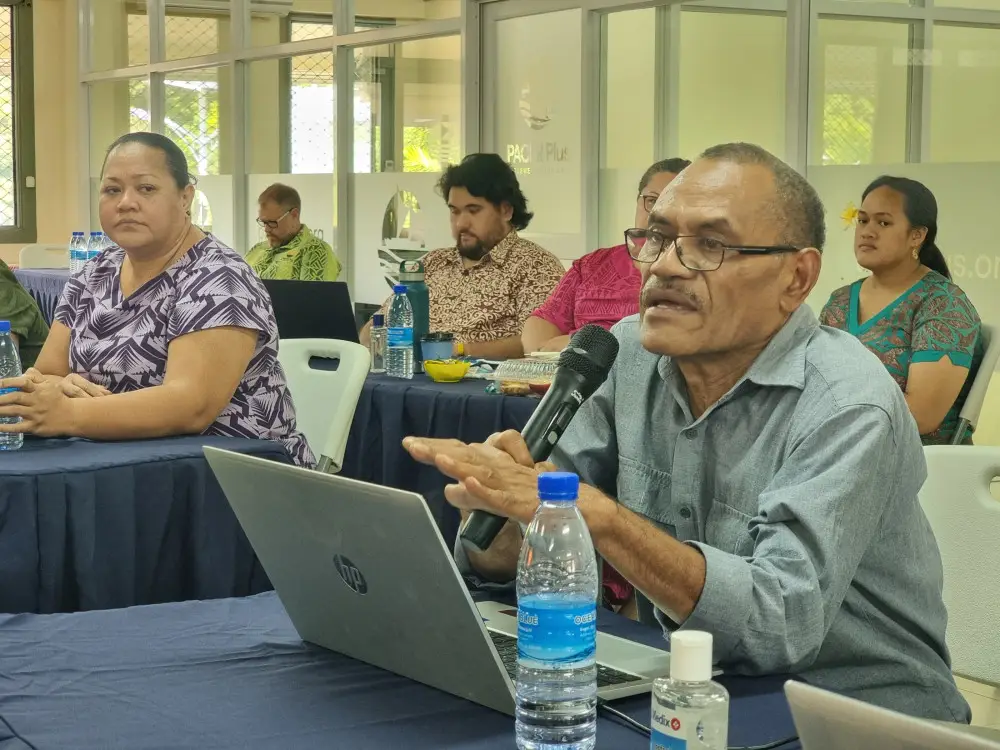
APIA, Samoa – The Pacific Agreement on Closer Economic Relations (PACER) Plus continues to pave a pathway forward on inclusive and sustainable investment across its member countries. In line with this vision, the PACER Plus Implementation Unit (PPIU) successfully delivered a Pacific Regional Investment Promotion Toolkit Workshop in Apia, Samoa from 15-19 April 2024. Participants of the five-day workshop included public and private sector officials from Cook Islands, Kiribati, Niue, Samoa, Solomon Islands, Tonga, Tuvalu, and Vanuatu. The workshop aimed to strengthen countries’ capacities in attracting and retaining investments, fostering collaborative effort, and achieving results for PACER Plus Pacific members. Recognising the multifaceted nature of investment promotion, the workshop addressed diverse needs extending beyond traditional aftercare services. Bilateral consultations highlighted the necessity for a comprehensive toolkit covering various stages of the investment cycle, from strategy formulation to promotional material development. https://youtu.be/7AHQ39RrLXQ Participants from Samoa and Tonga spoke to the value of the workshop. Participants included public and private sector officials from Cook Islands, Kiribati, Niue, Samoa, Solomon Islands, Tonga, Tuvalu, and Vanuatu. The five-day workshop fostered interactive learning, featuring practical exercises, case studies, and simulations. CEO of the Niue Chamber of Commerce, Catherine Etuata Papani, raises a point while participants from Samoa and Niue look on. Reflecting on the workshop, Tauatia Tuimauga, Principal Investment Promotion Officer at Samoa’s Ministry of Commerce, Industry, and Labour, underscored its practical value. “The workshop provided invaluable insights into enhancing Samoa’s attractiveness to potential investors,” said Ms. Tuimauga. Raymond Vuti, CEO of Vanuatu Foreign Investment Promotion Agency, echoed similar sentiments, expressing optimism about improving investor confidence and stimulating investment in Vanuatu. -END- More articles like this one
Financial Literacy Training Positively Impacts Solomon Islands Tourism Operators

HONIARA, Solomon Islands – Jeremiah Loleke, owner of the Marovo Sea Lodge in Western Province, Solomon Islands, faced the brunt of the pandemic’s impact, struggling to keep his business afloat. However, thanks to the Introductory Business Management and Financial Literacy Training funded by the Pacific Agreement on Closer Economic Relations (PACER) Plus, his outlook has shifted. Jeremiah Loleke, owner of the Marovo Sea Lodge in the Western Province, Solomon Islands, is one of 57 businesses who benefited from the Financial Literacy Training funded by PACER Plus. “This training is a first for me. Since I started in the tourism industry, I have not participated in a Financial Literacy Training for tourism operators. This training has taught me the fundamentals which I will use to grow Marovo Sea Lodge,” said Mr. Loleke. Marovo Sea Lodge is one of many accommodations that benefited from this initiative to enhance financial literacy within the tourism sector of the Solomon Islands. This initiative, which commenced last year, aims to build financial management capabilities of local tourism operators, making their businesses more sustainable and increasing their capacity to deliver quality services. In collaboration with the Tourism Division under the Solomon Islands Ministry of Culture and Tourism, the training program focuses on equipping participants with essential bookkeeping skills, promoting effective cash management strategies, and fostering a culture of savings for long-term business sustainability. The training program was delivered over two phases. Phase one, completed in August 2023, saw over 70 participants from beach operators on the western side of Honiara in Guadalcanal Province receive training on fundamental financial literacy skills such as bookkeeping and savings management. Building on this success, phase two delivered training in Marovo Lagoon (Seghe) as well as Gizo and Munda from 7-15 March 2024, targeting managers and administrators from over 50 different lodges and accommodations across Western Province. Managers and administrators from small, formal, and informal eco-lodge and accommodation operators in the Western Province dove into a comprehensive training session on basic bookkeeping, cash management strategies, and fostering a savings-focused mindset for long-term business sustainability. The Solomon Islands’ tourism industry predominantly comprises small, locally owned businesses, constituting 70 percent of the sector, with the remaining 30 percent being foreign-owned enterprises. However, a significant challenge faced by local businesses is the lack of financial literacy and mismanagement due to limited experience and training. Phase two of the training program aims to address these challenges by enhancing the knowledge and skills of business managers and administrators in financial literacy, cash management, and record keeping. By encouraging the utilisation of savings schemes and programs for business growth, the initiative seeks to empower owners to operate more efficiently and sustainably, fostering a greater financial independence within the industry. Mr. Philip Sukibuka, Deputy Secretary of the Ministry of Culture and Tourism, was pleased at the outcome of the training. “The Financial Literacy Training will benefit the accommodation operators in the Western Province and will no doubt benefit the tourism sector in the Solomon Islands. We want to empower these operators with financial management skills to support their businesses. Judging by the overwhelmingly positive feedback we’ve received from the participants; I’m pleased to say that we’ve achieved that. We are grateful for the support from PACER Plus, and we look forward to their continued partnership as we work towards strengthening the tourism sector in Solomon Islands,” said Mr. Sukibuka. -END- More articles like this one
PACER Plus Initiative Supports Samoa’s Agricultural Export Capacity

The Pacific Agreement on Closer Economic Relations (PACER) Plus Implementation Unit (PPIU) handed over 800 harvest bins to the Samoa Ministry of Agriculture and Fisheries today. The handover ceremony marks a pivotal moment in addressing a persistent challenge faced by Samoan farmers – the loss and damage of harvested commodities during transportation to processing and cleaning facilities. This issue has long hindered Samoa’s ability to fully capitalise on its agricultural potential in the global market. Hon. Laaulialemalietoa Leuatea Polataivao Fosi Schmidt (fourth from left), Samoa’s Minister of Agriculture and Fisheries, shakes hands with Mr. Roy Lagolago, Head of PPIU, and H.E. Will Robinson, Australian High Commissioner to Samoa, with Samoan exporters at the handover ceremony. Speaking during the handover, Hon. Laaulialemalietoa Leuatea Polataivao Fosi Schmidt, Samoa’s Minister of Agriculture and Fisheries (MAF), emphasised the significance of this initiative in empowering local farmers and enhancing Samoa’s export capacity. “By addressing the critical issue of postharvest loss and damage, we are empowering our farmers to maximise the export potential of our local produce. In doing so, we are not only protecting the livelihoods of our farmers but also tapping into new opportunities for export growth,” said Hon. Schmidt. “With the addition of the 800 harvest bins today, we now have a total of 980 bins at our disposal, thanks to the initial provision of 180 harvest bins by PACER Plus in August 2022. Additionally, the support provided by PACER Plus extends beyond harvesting bins, encompassing essential biosecurity equipment and IT resources to streamline operations,” added Hon. Schmidt. Mr. Roy Lagolago (left), Head of PPIU, shakes hands with Hon. Laaulialemalietoa Leuatea Polataivao Fosi Schmidt, Samoa’s Minister of Agriculture and Fisheries, during the handover ceremony. The investment from PACER Plus totals AUD130,000 or WST253,190. This demonstrates a dedicated effort to strengthen Samoa’s agricultural infrastructure and improve market access for Samoan produce. The PACER Plus Implementation Unit leads the implementation of the PACER Plus Development and Economic Cooperation Work Programme, jointly funded by the governments of Australia and New Zealand. H.E. Will Robinson, the Australian High Commissioner to Samoa, who was present at the handover, said: “Australia is proud to support initiatives like these that not only strengthen Samoa’s agricultural sector but also foster sustainable economic development.” The handover ceremony was held at MAF’s Atele Packhouse outside Apia, and attended by members of the diplomatic corps, Samoan exporters, and representatives from the agricultural community. -ENDS- More articles like this one
Empowering Women Entrepreneurs

Vanuatu’s Lapita Café’s Journey to HACCP Certification A widely respected community leader, Votausi Mackenzie-Reur wears many hats. One she dons proudly is that of founder of Lapita Café, an innovative and fast-growing food manufacturing and catering company in Port Vila, Vanuatu. Lapita Café is breaking barriers and reshaping the culinary landscape in Vanuatu. This International Women’s Day, Lapita Café stands as a testament of advancing women’s economic empowerment in the Pacific. Lapita Café, the pioneering gluten-free cassava flour producer in Vanuatu, has achieved a milestone by obtaining the Hazard Analysis and Critical Control Point (HACCP) certification. The journey, however, was no walk in the park. Battling the aftermath of cyclones that hampered construction and overcoming numerous challenges, Lapita Café emerged triumphant. https://youtu.be/Bo9IX3T72oU Watch Votausi Mackenzie-Reur’s interview as she talks about Lapita Cafe and why the HACCP certification was crucial for her business. Ms. Mackenzie-Reur’s commitment to excellence led Lapita Café to become the first gluten-free cassava flour producer in Vanuatu with HACCP certification, setting a high standard for others to follow. The certification ensures the highest food safety standards, making Lapita Café’s products not only delicious but also safe for consumers. “Lapita Cafe’s journey to be able to obtain its HACCP certification started in 2021, so it’s been a long time. But we were thankful to PACER Plus because they came in and were able to fund our HACCP certification towards the end of 2023. We’re immensely grateful to PACER Plus for supporting us in this,” said Ms. Mackenzie-Reur. The success story didn’t unfold in isolation. The Pacific Agreement on Closer Economic Relations (PACER) Plus, in collaboration with the Vanuatu Chamber of Commerce and Industry (VCCI) and the Australia Vanuatu Governance for Growth (GfG) program, played a pivotal role by engaging Vanuatu consulting firm Quality Solutions to develop food safety systems and coordinate a third-party audit in late 2023, a process that added an extra layer of credibility to Lapita Café’s operations. PACER Plus’s support, facilitated through VCCI and Quality Solutions, extends beyond Lapita Café. Four local manufacturers in Vanuatu are currently benefiting from ongoing initiatives to obtain similar international certifications, enhancing Vanuatu’s export advantage. PACER Plus recognises the important role women play in economic development and our capacity building programs to support women entrepreneurs like Ms. Votausi Mackenzie-Reur of Lapita Cafe in Vanuatu. The PACER Plus Implementation Unit (PPIU) recognises the important role women play in economic development and our capacity building programs. Supporting women entrepreneurs like Ms. Mackenzie-Reur is a testament to this. Gender is mainstreamed across PPIU’s operational and governance functions and across PPIU’s work programme. Lapita Café stands tall, not just as a business success but as a beacon of empowerment for women entrepreneurs. Ms. Mackenzie-Reur’s resilience and her company’s achievements underscore the importance of investing in women to accelerate progress and foster economic growth in the Pacific. -END- More articles like this one
Work Commences on the General Review of PACER Plus

The Pacific Agreement on Closer Economic Relations (PACER) Plus which has been in force since December 2020 is set for its inaugural general review in accordance with its institutional provisions. To ensure PACER Plus remains up-to-date and relevant for business, the Agreement provides for a general review of PACER Plus with a view to furthering its objectives three years from the date of entry into force. PACER Plus Review Team (far right) with Vanuatu government officials and PACER Plus National Coordinator Vanuatu, Mr. Michael Ligo (third from left). In addition to shaping the immediate future, the review will also inform the trajectory of PACER Plus beyond 2025. Sense Partners Limited and Tracey Epps Consulting, with support from KVA Consult were selected to carry out the Review. The review adopts a comprehensive approach, encompassing qualitative and interview-based methods during national consultations. Private sector organisations will also be actively engaged to gather insights into the benefits of PACER Plus. Initial national consultations have already taken place in Australia, Kiribati, New Zealand, Solomon Islands, Tonga, Tuvalu, and Vanuatu, while Cook Islands, Niue, and Samoa scheduled for March-April 2024. Following from the consultations, the review team will provide a report to the PACER Plus Joint Committee for consideration. The PACER Plus Implementation Unit (PPIU) since its establishment in 2021 has been supporting Pacific Island Countries Parties to build their capacity to implement and improve trade and investment under the Agreement. Mr. Roy Lagolago, Head of the PPIU welcomed the review: “This review will ensure that PACER Plus remains relevant and a driver for growth, business opportunities, and jobs for our Pacific people.” The final report will be available in late April 2024. -END- More articles like this one
PACER Plus Workshop Empowers Pacific Countries in Revenue Mobilisation
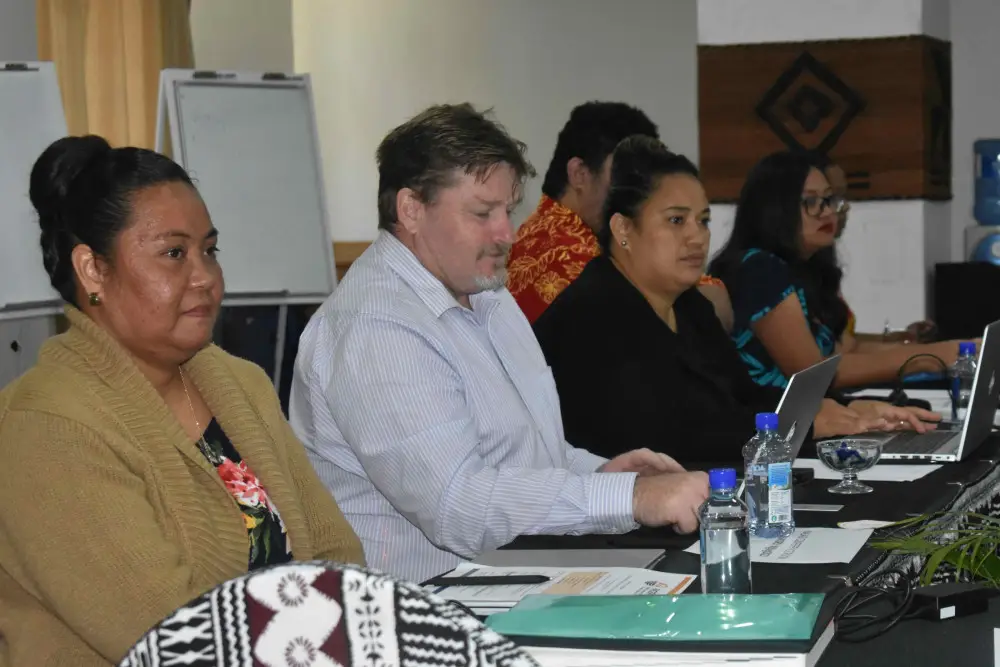
NADI, Fiji – The Pacific Agreement on Closer Economic Relations (PACER) Plus Implementation Unit (PPIU) is currently hosting a three-day Dialogue for Revenue Mobilisation for PACER Plus parties in Nadi, Fiji. The event, which started today 27 February, will conclude on 29 February. This regional initiative targets the customs and tax administrations of PACER Plus parties and signatories, including Australia, Cook Islands, Kiribati, Nauru, New Zealand, Niue, Samoa, Solomon Islands, Tonga, Tuvalu, and Vanuatu. The dialogue is a collaborative effort with key partners, including the Pacific Financial Technical Assistance Centre (PFTAC), the Pacific Islands Tax Administrators Association (PITAA), and the Oceania Customs Organisation (OCO). Participants at the PACER Plus Dialogue for Revenue Mobilisation in Nadi, Fiji. The primary focus of the dialogue is on capacity building, empowering officials to effectively manage revenues. Mr. Alipate Tavo, PPIU Trade Adviser, highlighted the significance of this workshop, stating, “This talanoa is a unique opportunity to enhance the capacity of our officials, equipping them with the skills needed to navigate the evolving economic landscape and promote sustainable growth in the Pacific.” The dialogue serves as a platform for knowledge sharing on best practices for tax regimes and revenue administration. It encourages strategic planning, fostering discussions on short-term actions and long-term structural reforms to enhance revenue administration and collection. Illustrating the commitment to regional collaboration, the dialogue aligns with PACER Plus’s overarching goal of increasing trade in the region. By engaging with key partners, it strengthens regional cooperation in improving tax regimes and ensuring the sustainable economic growth of Pacific Island countries. The outcomes of the dialogue extend beyond immediate capacity building. Improved regulatory and policy reforms are anticipated, supporting Rules of Origin (ROO) obligations and tariff commitments. -END- More articles like this one
Outcomes Document on the 2023 PLMAM Reflects Significant Progress and Collaboration

PORT VILA, Vanuatu – The 2023 Pacific Labour Mobility Annual Meeting (PLMAM), held in Port Vila, Vanuatu, from 20-24 November 2023, marked a milestone in the cooperative efforts of Pacific labour mobility stakeholders, resulting in a comprehensive Outcomes Document that outlines crucial decisions and initiatives for the region. Prime Minister of Vanuatu, Hon. Charlot Salwai (seated, second from right) with Deputy Prime Minister and Minister of Foreign Affairs, Hon. Matai Seremaiah (seated, far right), Minister of Internal Affairs, Hon. Rick Tchamako (seated, far left) with members of the diplomatic corps and PLMAM 2023 participants from Vanuatu and the region. Government officials from Australia, Cook Islands, Fiji, Kiribati, Nauru, New Zealand, Niue, Papua New Guinea, Samoa, Solomon Islands, Tonga, Timor Leste, Tuvalu, and Vanuatu participated in the five-day proceedings. Additionally, attendees included labour mobility workers, Recognised Seasonal Employer (RSE) and Pacific Australia Labour Mobility (PALM) schemes employers, industry representatives, trade unions, private sector, academia, civil society, and representatives from regional and international organisations. Key highlights from the Outcome Document include: 1. PLMAM 2023 identified the following as priority areas for action: Develop Pacific Guidelines for Sustainable Reintegration. Acknowledge the commitments from employers outlined in the Employer Forum Outcomes and support coordination towards those commitments including facilitating greater direct engagement between employers and Labour Sending Units (LSUs). Develop recommendations to establish minimum standards to protect and improve worker earnings including review of recruitment-related costs and deductions. Develop recommendations to improve worker access to social services and social protection, and increase flexibility to change employers. Review options for improving accommodation with particular consideration of privacy. Develop options for a rating system for employers in Australia and New Zealand. Support inclusion of Unions in labour mobility forums and programmes. 2. Good Labour Mobility GovernancePLMAM 2023 recognised the importance of ensuring good labour mobility governance in the Pacific. Based on a reference paper presented by the International Labour Organisation (ILO), participants recognised the importance of guidelines on good labour mobility governance to ensure that bilateral and national labour mobility arrangements promote good governance. 3. Pacific Labour Mobility OpportunitiesPLMAM recognised the developments in the Pacific Australia Labour Mobility (PALM) and the New Zealand Recognised Seasonal Employer (RSE) schemes. It acknowledged the ‘next generation’ approach to the review of New Zealand’s labour mobility programmes with a focus on development, skills and training opportunities, circular opportunities, worker well-being, maximising benefits and mitigation of negative impacts on communities and collective regional responsibility. It also welcomed Australia’s AUD440 million investment to improve the PALM scheme to deliver on its key objectives of recognising the mutual interest of all participants, supporting the wellbeing of workers and upholding their workplace rights and protections, addressing workforce shortages in Australia when Australian workers are unavailable, and supporting the economic growth of participating countries through employment creation and skills development. The meeting also welcomed the new labour mobility opportunities to Cook Islands and Niue and acknowledged that the relatively higher minimum wage and skills development opportunities in these labour receiving countries exist as key incentives to facilitate intra-Pacific labour mobility. 4. Implementation Roadmap for Pacific Remittance Data CollectionThe PLMAM approved an Implementation Roadmap for Pacific Remittance Data Collection, emphasising the importance of addressing constraints to remittances data for Pacific economies. This work will be led by the PACER Plus Implementation Unit (PPIU) commencing from FY2024/25. The document can be accessed here. 5. Regional Labour Mobility InitiativesPLMAM 2023 noted the 2023 Pacific Forum Leaders Meeting directive for the development of Regional Labour Mobility Principles and encouraged the use of existing mechanisms and forums to undertake wide consultations to inform the development of the Principles. It also emphasised the importance of improved collaboration between the PPIU and the Pacific Island Forum Secretariat (PIFS) to ensure complementarity in their labour mobility initiatives and support to countries. The meeting also welcomed and approved the offer by the Australian government to host the 2024 PLMAM. The PLMAM Outcomes Document informs the labour mobility work programme of the PPIU and its partnerships with key labour mobility regional stakeholders. This linkage ensures that the outcomes from PLMAM are effectively implemented and that tangible outcomes are delivered to increase the development benefits of labour mobility in Pacific countries. The full 2023 PLMAM Outcomes Document can be accessed on the link below. Outcomes Document – 2023 Pacific Labour Mobility Annual Meeting -END- More articles like this one