
Cook Islands Reviews PACER Plus Implementation and Sets Priorities for Phase 2

RAROTONGA, Cook Islands — As the Pacific Agreement on Closer Economic Relations Plus (PACER Plus) enters Phase 2 of implementation (2025-2030), the Government of the Cook Islands, in collaboration with the PACER Plus Implementation Unit (PPIU), has undertaken national consultations to review progress under the Agreement and identify priorities for the next phase of implementation. Held from 1-6 March, in Avarua, Rarotonga, the consultations brought together PACER Plus contact points and government departments responsible for implementing key areas of the Agreement, including Rules of Origin, Customs Procedures, Sanitary and Phytosanitary (SPS) Measures, Technical Barriers to Trade (TBT), Trade in Services, Temporary Movement of Natural Persons, Investment, and Labour Mobility. PPIU team meets with officials in Cook Islands as part of in-country consultations to help shape the 2026-2030 DEC Work Programme. The consultations focused on assessing the Cook Islands’ progress in implementing the Agreement using the PACER Plus Implementation Trackers. The Trackers are a monitoring tool used to evaluate how national laws, policies, and institutional systems align with the Agreement’s commitments. They help identify implementation strengths, gaps, and capacity needs, supporting targeted technical assistance and improved utilisation of the Agreement. After the first five years of PACER Plus implementation, the Cook Islands is now positioned to build on key achievements to date and leverage the Agreement to better support trade outcomes and sustainable economic development for the country. Elizabeth Wright-Koteka, Secretary of Ministry of Foreign Affairs and Immigration and PACER Plus Focal Point, said the consultations confirmed that the Cook Islands has made significant progress in implementing the Agreement. “Preliminary findings show that the Cook Islands has established strong legal and institutional foundations for PACER Plus implementation, particularly in areas such as Customs Procedures, Rules of Origin, and services regulation. These systems are supported by modern customs platforms and transparent regulatory frameworks that facilitate trade and investment.” Elizabeth Wright-Koteka, Secretary of Ministry of Foreign Affairs and Immigration Mr. Roy Lagolago, Head of PPIU (left), meets with Hon. Tingika Elikana, Minister of Foreign Affais and Immigration in Cook Islands. “At the same time, the consultations highlighted opportunities to further strengthen implementation in areas such as sanitary and phytosanitary measures and technical barriers to trade, enhance investment promotion and facilitation, and improve coordination across agencies involved in trade and labour mobility,” said Ms. Wright-Koteka. The outcomes of the consultations help guide national priorities for Phase 2 of PACER Plus (2025-2030) and project proposals for the FY2026-2027 PACER Plus Annual Plan. -ENDS- More articles like this one
Building the Legal Foundations for Digital Payments in Tonga

Across the Pacific, digital financial services are rapidly transforming the way people send money, make payments, and access financial services. For Tonga, where remittances form a vital part of household income and economic activity, secure and reliable payment systems are essential. As digital payments grow in importance, countries must ensure their legal and regulatory frameworks keep pace with new technologies. Recognising this need, the PACER Plus Implementation Unit (PPIU) partnered with the National Reserve Bank of Tonga (NRBT) to support the development of the Tonga Payment Systems and Services Bill 2025. The initiative represents a significant step toward strengthening Tonga’s financial infrastructure and building the legal foundations needed to support a modern digital economy. Digital payment services are expanding across Tonga, creating new opportunities for financial inclusion and economic participation. In recent years, Tonga has seen growing use of electronic payments, mobile money services, and digital remittance platforms. These innovations create new opportunities for financial inclusion and economic participation. However, before this project began, Tonga did not have a comprehensive legal framework governing electronic payment systems and digital financial services. This gap created several challenges. While banks and licensed money transfer operators were subject to oversight, informal remittance channels and unregistered payment services operated with limited regulation. Existing legislation also did not adequately address emerging issues such as cybersecurity risks, data protection, and the interoperability of digital payment platforms. Without a modern regulatory framework, it was increasingly difficult for regulators to supervise payment service providers effectively and ensure consumer protection in an evolving financial landscape. To address these challenges, PACER Plus supported a technical consultancy to assist Tonga in developing a modern legal framework for electronic payment systems and services. “Developing a modern legal framework for payment systems is a key step toward strengthening Tonga’s digital economy and ensuring that financial innovation takes place within a safe and trusted environment.” The work began in April 2024 with a detailed assessment of Tonga’s payment ecosystem. This included legal analysis of existing legislation, institutional mapping of financial sector stakeholders, and a review of international best practices for payments regulation. The assessment also examined the country’s financial landscape, including the role of commercial banks, microfinance institutions, and the growing importance of digital financial services. Based on these findings, the project moved into a structured legislative drafting process that involved close collaboration with the National Reserve Bank of Tonga, the Ministry of Trade and Economic Development, and technical experts from the World Bank. These consultations ensured the draft legislation reflected both Tonga’s national priorities and internationally recognised standards for payment systems regulation. The resulting Payment Systems and Services Bill 2025 introduces a comprehensive framework for regulating digital payments and financial technology in Tonga. The proposed legislation establishes clear rules for the licensing and supervision of payment service providers, including fintech operators and electronic money issuers. It also introduces safeguards to protect consumers and strengthen the resilience of Tonga’s financial system. Key features of the bill include: Licensing requirements for payment service providers Regulation of electronic money issuance and redemption Consumer protection measures and dispute resolution mechanisms Cybersecurity and operational risk management standards Enhanced oversight powers for the National Reserve Bank of Tonga Together, these measures aim to ensure digital payment services operate safely, transparently, and in the interests of consumers. Digital financial services are expanding access to financial tools for individuals and businesses in Tonga. The legislation also supports innovation within Tonga’s financial sector. By introducing flexible regulatory mechanisms, such as the registration of low-risk fintech providers, the framework encourages the development of new financial technologies while maintaining appropriate oversight. This approach helps balance innovation with financial stability, allowing Tonga’s digital payments ecosystem to grow in a secure and inclusive manner. In April 2025, the final legislative package, including the draft bill, explanatory notes, and an implementation roadmap, was submitted to the National Reserve Bank of Tonga and the Ministry of Trade and Economic Development. Once enacted, the legislation will provide Tonga with the regulatory tools needed to oversee payment service providers, protect consumers, and support the continued development of digital financial services. -ENDS- More articles like this one
Strengthening Samoa’s Biosecurity Systems
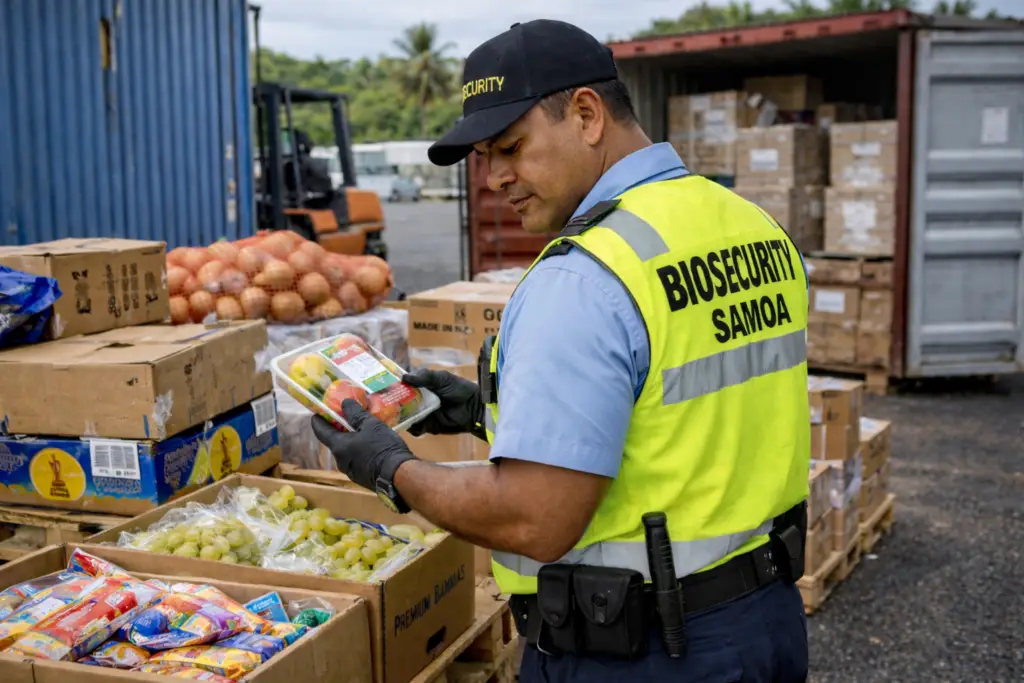
Every day, ships and aircraft bring goods into Samoa from around the world. These shipments carry everything from food and agricultural products to machinery, construction materials, and consumer goods. While trade is essential for Samoa’s economy, it also brings risks. Invasive pests, plant diseases, and animal health threats can arrive at the country’s borders hidden within cargo, posing serious dangers to agriculture, ecosystems, and public health. For Samoa’s Biosecurity Division within the Ministry of Agriculture and Fisheries, managing these risks is part of a complex daily operation. Officers inspect cargo, issue import permits, process quarantine certificates, and monitor compliance with international biosecurity standards. Behind these activities sits an important digital tool that has quietly supported this work for nearly two decades: the Samoa Quarantine Information Database, better known as the SQUID system. Today, with support from PACER Plus, Samoa is taking an important step toward modernising this system to ensure it continues protecting the country’s borders while facilitating safe and efficient trade. Inspections help prevent invasive pests and diseases from entering Samoa. The SQUID system was introduced in 2006 to help biosecurity officers manage quarantine processes and maintain records for imports, inspections, and certification. The system plays a crucial role in Samoa’s border management and supports the country’s obligations under international trade standards, including the World Trade Organisation’s Sanitary and Phytosanitary (SPS) Agreement. Through SQUID, officers record information about cargo arrivals, issue permits and certificates, and track inspections of goods entering Samoa. These processes help ensure that imported products comply with national regulations designed to prevent harmful pests and diseases from entering the country. Over the years, the system has become the technological backbone of Samoa’s biosecurity operations. However, like many long-standing systems, it has begun to show its age. Built using Microsoft Access 2007, the platform relies on software that is no longer supported by modern operating systems. This creates challenges for security, compatibility, and performance. The system also operates primarily from a single location, meaning biosecurity officers working at remote ports of entry often need to rely on manual processes before data can be entered into the central system. “The SQUID platform is a critical part of Samoa’s biosecurity system, helping ensure that goods entering the country meet quarantine standards and protect Samoa’s agriculture and environment.” These limitations not only slow down daily workflows but also highlight the need for a modern digital solution that can keep pace with Samoa’s evolving biosecurity requirements. Recognising the importance of strong biosecurity systems for safe trade, the PACER Plus Implementation Unit supported a comprehensive review of the SQUID platform. The review examined the system’s architecture, security, infrastructure, and operational workflows. It also assessed how the system could be modernised to better meet the needs of biosecurity officers and improve the efficiency of border processes. The findings confirmed that while the existing system continues to function, it requires significant upgrades to address cybersecurity vulnerabilities, outdated technologies, and operational inefficiencies. The review therefore recommended developing a modern web-based platform supported by secure cloud infrastructure. Such a system would allow biosecurity officers to access the platform from multiple devices and locations, while strengthening security and improving overall performance. Importantly, the new system would connect key biosecurity locations across Samoa, including Matautu Wharf, Faleolo International Airport, and Fagalii Airport, allowing officers to enter and access data in real time. 27% faster permit processing T43% faster certificate processingT1,150+ hours saved annuallyT Beyond improving system security, the new platform is expected to deliver tangible operational benefits. Currently, processing an import permit takes an average of around eleven minutes, while issuing a certificate requires approximately seven minutes. With a modernised digital system, these processes are expected to become significantly faster, reducing permit processing times to around eight minutes and certificate processing times to approximately four minutes. While these time savings may appear small on an individual transaction, they add up across hundreds of monthly processes. Overall, the improved system is projected to save more than 1,150 hours of staff time each year, allowing biosecurity officers to focus more on inspection and compliance activities that protect Samoa’s borders. The upgraded platform will also strengthen cybersecurity protections, introduce modern password and data security policies, and enable more reliable backup and recovery systems. Strong biosecurity systems play a vital role in protecting Samoa’s economy and environment. Agriculture remains an important part of Samoa’s livelihood and food security. At the same time, the country’s pristine natural environment and marine ecosystems underpin its tourism industry. Preventing the introduction of invasive pests and diseases is therefore critical to safeguarding these national assets. By improving the digital systems that support quarantine and inspection processes, PACER Plus is helping Samoa strengthen its capacity to manage these risks while ensuring trade continues to flow efficiently. ….. The modernisation of the SQUID system represents more than just a technology upgrade. It reflects a broader commitment to building stronger trade systems and modern regulatory infrastructure in the Pacific. With a secure and connected digital platform, Samoa’s biosecurity officers will be better equipped to monitor goods entering the country, respond to emerging threats, and meet international trade obligations. As trade continues to expand across the region, investments in systems like SQUID help ensure that Pacific economies can grow while protecting their unique environments and communities. Through targeted technical support such as this system review, PACER Plus continues to support Pacific Island countries in strengthening the institutions and infrastructure that underpin safe and sustainable trade. -ENDS- More articles like this one
Vanuatu graduate ventures into online business
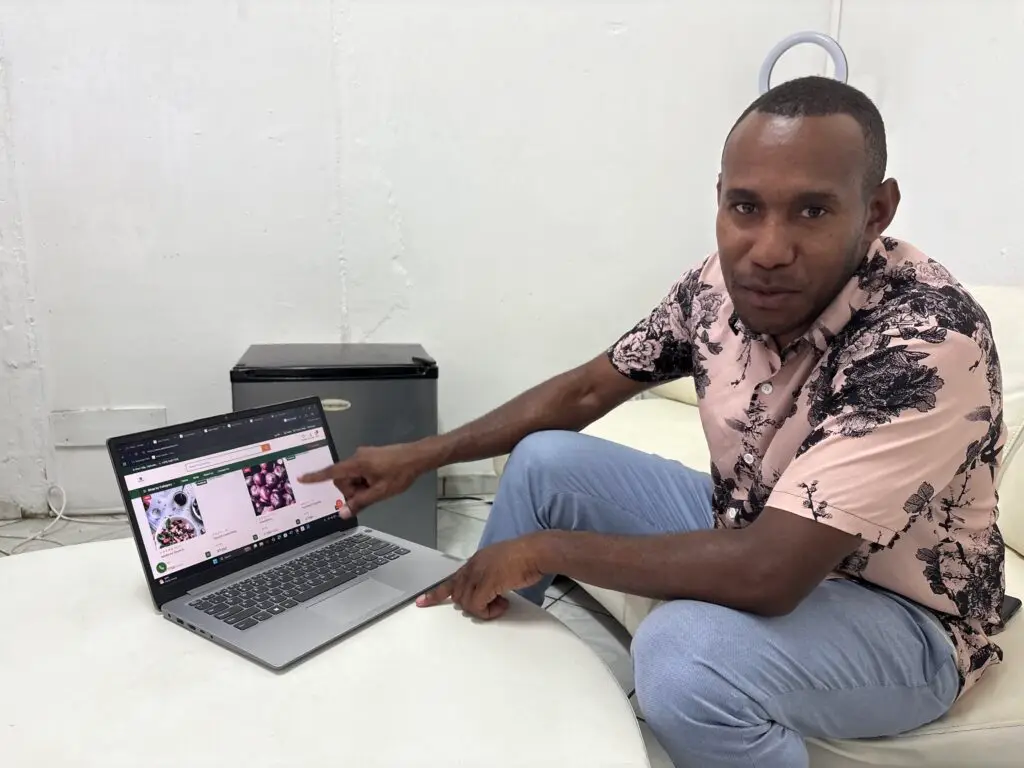
PORT VILA, Vanuatu — A young entrepreneur from Vanuatu is redefining what employment can look like after university. Instead of seeking a traditional job, Rexta Abraham, an economics and business graduate from the University of the South Pacific, is building his own opportunities through online business, also thanks to what he learnt at the Training Workshop component of the Pacific Island Forum Secretariat’s (PIFS) E‑Biz program which was funded by the Pacific Agreement on Closer Economic Relations Plus or PACER Plus. From Sarete Village in Espiritu Santo, Rexta first came across the program through a Facebook advert and applied mostly out of curiosity. Though he was not new to business and entrepreneurship, the training opened his eye to something new: how e‑commerce can expand reach, reduce marketing costs, and help him find clients faster. When asked to share his testimony about the E-Biz training program, Rexta explained: “I had planned to start a business in Port Vila and import second-hand clothes to resell here. However, after taking the course, I discovered two things: first, the power of the internet when used correctly to create business opportunities; and second, how effective it is to reach customers through digital marketing without needing to leave my home.” Rexta Abraham Rexta Abraham is building his own opportunities through online business. Just a year after completing the course, Rexta has already set up two growing businesses: 1. Aelan Basket (under development) An online shopping platform designed to connect customers with key supermarkets in Vanuatu. It will also allow drop‑shipping from platforms such as Alibaba and Shein. Drop-shipping is a business model where you can sell products online without keeping any stock. When someone buys from you, you place the order with a supplier, and the supplier ships the item straight to the customer. The service is especially useful for seasonal workers abroad, giving them a simple way to shop for their families back home from abroad, cutting down on remittance misuse, saving time, and ensuring essential items reach households directly. 2. City Cars Vanuatu (operational via Facebook) An online marketplace for second‑hand vehicle set up in late 2025 and with already over 11,000 followers. Currently, it is operating on Facebook only. To date, the company has sold, on average, three vehicles per month. The business targets both domestic buyers and Ni‑Vanuatu living abroad who want a trusted seller for vehicles in country. Rexta Abraham has set up Aelan Basket, an online shopping platform designed to connect customers with key supermarkets in Vanuatu. Rexta is currently in discussion with the two telecommunication companies in Vanuatu to integrate both his business platforms with mobile payment solutions, namely M-Vatu (Vodafone) and MyCash (Digicel). Allowing customer payments via mobile wallet addresses two common barriers: the limited number of people in Vanuatu who own a Visa card and the lack of trust in buying goods online. By using familiar mobile wallets and having a physical presence in Vanuatu, he hopes to reduce perceived risks and increase consumer confidence to buying online. The PIFS E-Biz Plus program aims at supporting MSMEs in starting their business journey online, and Rexta’s experience is a powerful testament to what the program aims to positively impact. It demonstrates how digital skills can open new opportunities for youth, foster innovation and contribute to Vanuatu’s growing digital economy. The implementation of the PIFS E-Biz Plus program was kindly supported by the PACER Plus Implementation Unit. Story and images provided by PIFS E-Biz Plus Program More articles like this one
Pacific consultations underway to shape PACER Plus 2026-2030 Work Programme

APIA, Samoa – The PACER Plus Implementation Unit (PPIU) has begun a series of in country consultations with its member Parties from 2 February to 20 March 2026. The consultations will inform the development of the 2026-2030 Development and Economic Cooperation (DEC) Work Programme, ensuring it aligns with national priorities and supports effective implementation of PACER Plus. The PPIU team is visiting all ten member Parties to PACER Plus, Australia, Cook Islands, Kiribati, New Zealand, Niue, Samoa, Solomon Islands, Tonga, Tuvalu and Vanuatu, to gather baseline data, identify priorities, and confirm areas where support is most needed. PPIU team in discussion this week with officials in Honiara, Solomon Islands, during consultations to identify national priorities for the 2026-2030 Work Programme. Consultations in Tonga and Kiribati have already been completed, with meetings underway this week in Solomon Islands and Vanuatu. A key focus of the consultations is strengthening Monitoring, Evaluation, Learning and Adaptation (MELA) systems through the MELA Logical Framework. This framework enables member Parties to track delivery, measure results, and ensure activities under the Work Programme contribute directly to implementation of PACER Plus. To support this, the PPIU is working with each country’s National Focal Point and Component Contact Points to update the PACER Plus Implementation Tracker, a structured data collection tool that helps countries record progress, establish baselines, and set practical targets through to 2030. The baseline assessments will guide the identification of priority areas in the first Annual Plan for 2026-2027. PPIU team meets with officials in Kiribati as part of in-country consultations to help shape the 2026-2030 DEC Work Programme. Head of the PPIU, Roy Lagolago, said the consultations are grounded in setting the right foundations for the next four years: “While this might be a lot of work, getting the foundations right from the start is vital. The PPIU is a member driven organisation and the voice of all our members are important to us. These consultations allow us to sit down with each member to understand their priorities and agree on clear targets for the next four years. We want the 2026–2030 Work Programme to be practical, measurable, and genuinely useful to our members.” He added that strengthening monitoring and compliance systems will give members clearer evidence of progress and impact. “As we move into this new phase under the DEC Arrangement, our focus is on results not just activities but real outcomes that support trade, economic growth, and development across the Pacific.” Roy Lagolago, Head of PPIU The PPIU will finalise baseline assessments following the consultations, with the draft 2026–2030 Work Programme to be presented to PACER Plus members at the next Joint Committee meeting to be held in Tonga in May 2026. -ENDS- More articles like this one
Built on the Lagoon, Bound for the World

Steering Kiribati’s Boatbuilding Industry into Global Markets, Tariff-free On a quiet stretch of shoreline in Kiribati, sleek catamarans take shape by hand. Molds are developed, sanded, sealed. Fibreglass is laid with care. What emerges from KiriCraft Central Pacific’s workshop is not mass-produced machinery, but finely crafted vessels designed for open water. For Michael Savins, Founder and CEO of KiriCraft Central Pacific, boatbuilding in Kiribati was never meant to be small or insular. From the beginning, his ambition was outward-looking: to prove that world-class marine manufacturing could come from a low-lying Pacific island nation better known internationally for its vulnerability to climate change than for high-end exports. “The quality was never the issue,” Savins says. “Our boats have always been built to a very high standard. The challenge was getting them into the market on equal footing.” That challenge, for years, partly came down to tariffs. KiriCraft Central Pacific is a high-quality boatbuilding factory in Kiribati. Before the breakthrough Before Kiribati ratified the Pacific Agreement on Closer Economic Relations Plus or the PACER Plus trade agreement, exporting KiriCraft’s handcrafted catamarans to Australia came at a cost. Every vessel entering the Australian market was subject to a five per cent import duty, an expense that quickly added up for a product as large and high-value as a boat. “It doesn’t sound like much on paper,” Savins explains. “But when you’re exporting catamarans, five per cent is significant. It affects your pricing, your competitiveness, and ultimately your business’s ability to grow.” In a competitive marine industry where buyers weigh quality against cost, that extra tariff often meant KiriCraft had to absorb losses or risk pricing itself out of the market. Then PACER Plus came into force. Tariff-free waters “Before PACER Plus, we were paying five per cent in tariffs on our exports to Australia. But since Kiribati ratified PACER Plus in 2020, we no longer pay any import duties in Australia,” Savins says. That single shift — tariff-free access — has had a cascading effect. Without the added cost of import duties, KiriCraft’s catamarans are now more competitive in Australia’s marine market. Pricing is clearer. Margins are healthier. And KiriCraft’s plans for growth are no longer speculative. “With tariff-free access to the Australian market, we can expand our operations, create more job opportunities, and drive economic growth in Kiribati.” Michael Savins, Founder and CEO of KiriCraft For Kiribati, a country with limited land, resources, and export pathways, those words carry weight. More than paperwork At the heart of this shift is PACER Plus’ Rules of Origin and Tariffs Component, often misunderstood as technical trade jargon, but in practice, deeply practical. Rules of Origin are the criteria that determine whether a product is genuinely made in a PACER Plus country and therefore eligible for preferential treatment, such as tariff-free entry. For KiriCraft, meeting these rules means demonstrating that their catamarans are substantially built in Kiribati, from skilled local labour to production processes. These rules do more than unlock tariff savings. They protect Pacific producers from unfair competition and ensure that the benefits of trade agreements flow to local industries. “For us, it validates the work we’re doing here,” Savins says. “We’re not just assembling parts. We’re building boats in Kiribati, employing local people, transferring skills, and creating something of lasting value.” PACER Plus’ tariff commitments then do the rest — removing import duties in Australia and New Zealand for qualifying Pacific goods. The result is a clear, predictable trading environment where Pacific businesses like KiriCraft can invest in confidence. KiriCraft employee works on a boat inside KiriCraft’s workshop. Jobs, skills, and pride Inside KiriCraft’s workshop, the benefits of tariff-free access are tangible. More orders mean more hands on deck. More hands mean more training, more apprenticeships, and more specialised skills staying in Kiribati rather than leaving it. Boatbuilding is not a short-term industry. It requires precision and experience. PACER Plus, by reducing barriers to export, helps create exactly that. “This isn’t just about selling boats,” Savins reflects. “It’s about building an industry. When we grow, our people grow with us.” That growth ripples outward. Wages circulate locally. Skills are passed on. Young i-Kiribati workers see pathways beyond subsistence or overseas migration. In a country often framed by external narratives of limitation, KiriCraft tells a different story, one of capability. A model for the Pacific KiriCraft’s experience highlights something often overlooked in discussion about trade agreements: PACER Plus is not designed to benefit only large economies or commodity exporters. It’s Rules of Origin and tariff commitments are especially powerful for niche, high-value Pacific industries — manufacturing, processing, and craftsmanship that rely on quality rather than volume. From boatbuilding in Kiribati to food processing, fisheries, and specialised manufacturing across the region, the principle is the same. When Pacific products can enter major markets without tariffs, they stand a fairer chance of success. “This agreement gives us certainty,” Savins says. “And certainty is everything when you’re building something long-term. We’re building something that lasts and PACER Plus has helped make that possible, not just for KiriCraft, but for Kiribati.” And for a small island nation surrounded by ocean, that is no small achievement. -ENDS- More articles like this one
New Five-Year PACER Plus Support Agreed by Pacific Ministers
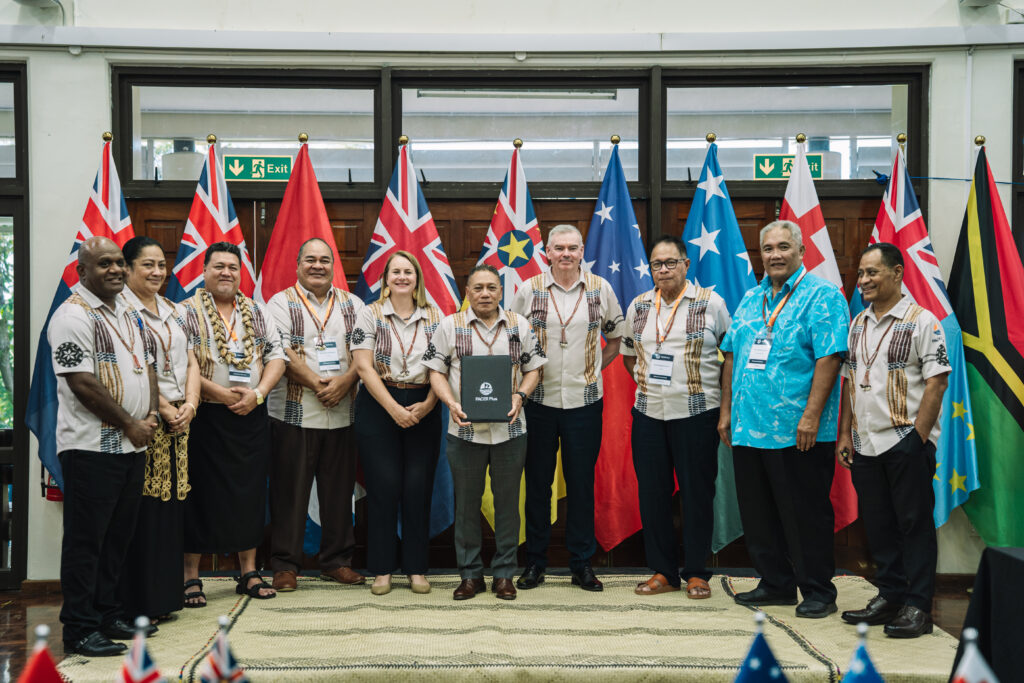
HONIARA, Solomon Islands – Pacific trade ministers met in Honiara, Solomon Islands yesterday and agreed on a renewed push to strengthen trade, investment, and labour mobility across the region under the Pacific Agreement on Closer Economic Relations Plus or PACER Plus. Ministers and ministerial representatives from Australia, Cook Islands, Kiribati, New Zealand, Niue, Samoa, Solomon Islands, Tonga, Tuvalu, and Vanuatu came together for the 2025 PACER Plus Ministerial Meeting, chaired by Hon. Peter Shanel Agovaka, Solomon Islands Minister of Foreign Affairs and External Trade. Ministers and ministerial representatives from the 10 PACER Plus parties came together for the 2025 PACER Plus Ministerial Meeting in Honiara on Thursday 27 November. Opening the meeting, Prime Minister Hon. Jeremiah Manele highlighted the progress made since PACER Plus entered into force in 2020. PACER Plus is grounded in a rules-based system. The Agreement embodies these multilateral principles that respects sovereignty while promoting shared benefits of trade and economic integration. It also addresses the unique and diverse economic vulnerabilities of Pacific small island developing states and offers a structured path for our people to integrate and adapt to the global trading system. It remains an important framework to grow regional peace, progress and prosperity in the region. Prime Minister Jeremiah Manele Ministers reviewed the first five years of the Development and Economic Cooperation (DEC) Work Programme and acknowledged how the work programme had supported policy reforms and institutional capacity building, while also responding to specific national needs, especially for small island economies facing ongoing economic and climate pressures. Looking ahead, the ministers endorsed the strategic priorities for the next phase of the DEC Work Programme (2025-2030). The new priorities will focus on legislation and policy reform, public sector capacity building, private sector development, and automation and data systems. The next phase aims to create a more predictable trading environment, help businesses become more competitive, and ensure Pacific countries have the tools they need to meet their PACER Plus commitments. The ministers also acknowledged the central role played by the PACER Plus Implementation Unit (PPIU) in driving the significant progress achieved under the DEC Work Programme 2020-2025. They understood the importance of the PPIU as a standalone, member-driven regional entity, one that supports Parties to build economic resilience, deepen cooperation, and advance sustainable development across the Pacific. Ministers also reaffirmed the Pacific Labour Mobility Annual Meeting as the region’s main forum for advancing labour mobility issues. Australia and New Zealand announced major new support for the next five-year DEC Work Programme – AUD 23.2 million from Australia and NZD 10 million from New Zealand. A key highlight from yesterday’s meeting was the joint announcement by Australia and New Zealand of renewed funding for the next five-year cycle of the DEC Work Programme – AUD 23.2 million from Australia and NZD 10 million from New Zealand. Ministers welcomed this commitment and proceeded to sign the Phase II Implementing Arrangement for Development and Economic Cooperation (2025-2030). The meeting also agreed to increase their engagement with other Forum Island Countries that have expressed interest in joining PACER Plus. Ministers endorsed the development of a structured advocacy strategy under the next phase of the DEC Work Programme to support future accessions, with a commitment from Australia and New Zealand to provide additional assistance as membership expands. Finally, ministers expressed their deep appreciation to the government and people of Solomon Islands for hosting the meeting and for their warm hospitality. Tonga will chair the next PACER Plus Joint Committee and Ministerial Meetings in 2026. The full PACER Plus Ministerial Communique can be accessed here. -ENDS- More articles like this one
Pacific Ministers to Endorse the Next Five Years of PACER Plus Development and Economic Cooperation
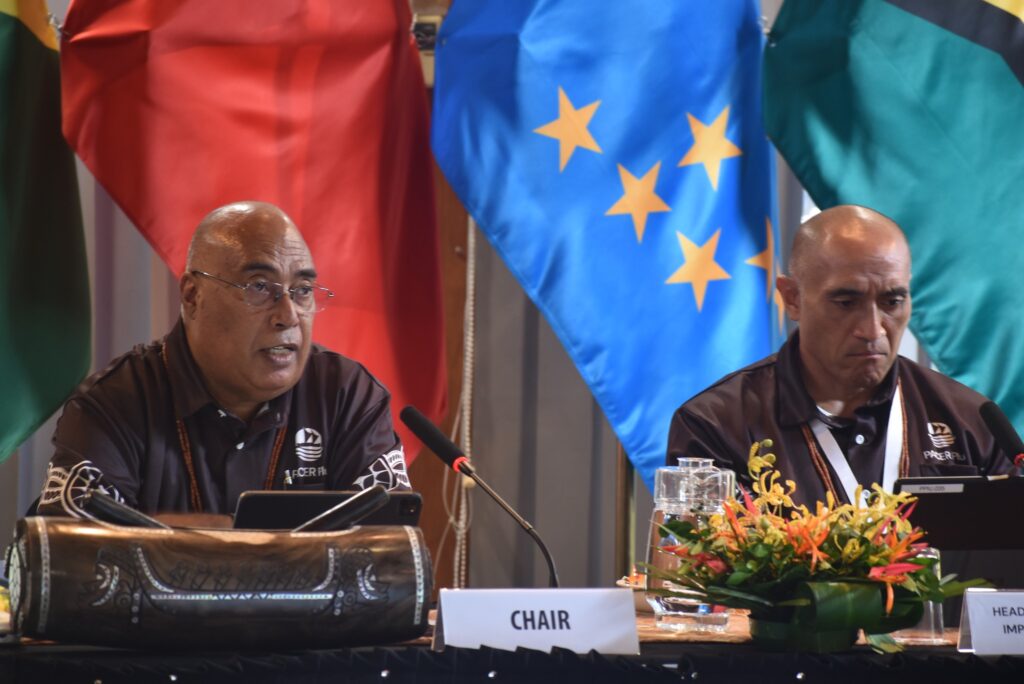
HONIARA, Solomon Islands – Government ministers and senior officials from around the Pacific will gather in Honiara, Solomon Islands, from 25-27 November for the Ninth PACER Plus Joint Committee Meeting and 2025 PACER Plus Ministerial Meeting. Representatives from the PACER Plus Parties – Australia, Cook Islands, Kiribati, New Zealand, Niue, Samoa, Solomon Islands, Tonga, Tuvalu, and Vanuatu – will attend the three-day meeting. Ambassador Collin Beck (left) with Mr. Roy Lagolago at the Eighth PACER Plus Joint Committee Meeting in Honiara, Solomon Islands. The meetings will conclude on 27 November with the PACER Plus Ministerial Meeting, which will be officially opened by the Prime Minister of Solomon Islands, Hon. Jeremiah Manele. This year’s gathering comes at an important moment for the region. Ministers and officials will consider a report on the first phase of the Development and Economic Cooperation (DEC) Work Programme, which has been jointly funded by Australia and New Zealand since 2020 to help Pacific Island countries implement the PACER Plus (the Agreement). Over the past five years, the DEC Work Programme has supported Parties with policy reforms, legislative updates, and institution-building. But it has also increasingly responded to very practical needs such as providing equipment, systems, and tools that help Pacific countries meet their trade commitments and unlock opportunities for businesses. While the programme has achieved significant progress, implementation has not been without its challenges. Countries have had to navigate the pandemic’s lasting impacts, staffing shortages, trade tensions and changing international systems. These lessons have reinforced the need for more targeted support, stronger coordination, and investments that deliver clear, tangible benefits to Pacific economies. Ministers will also consider the next phase of development assistance, including the signing of the next Implementing Arrangement for Development and Economic Cooperation under PACER Plus for another five years. They previously signalled support for this renewal during the 2024 Ministerial Meeting in Brisbane, Australia. Ambassador Collin Beck, Permanent Secretary of the Ministry of Foreign Affairs and External Trade Solomon Islands and the Chair of the PACER Plus Joint Committee Meeting said Solomon Islands is proud to host the meetings at a time when regional cooperation and regional integration is critical to unlock our shared prosperity. PACER Plus is not just a trade agreement but a commitment by Pacific nations to work together for an integrated Pacific. As hosts, Solomon Islands is honoured to welcome our Pacific brothers and sisters to Honiara. These meetings will help shape the next chapter of cooperation, ensuring that our region continues to grow, remain connected, and benefit from a fair and predictable trading environment. Ambassador Collin Beck The past five years have also seen major advances in trade facilitation across the region. These include customs modernisation through rollout of ASYCUDA systems; sanitary and phytosanitary improvements including ePhyto for faster, paperless certification; simplified rules of origin and improved border procedures; duty-free access to Australia and New Zealand for Pacific exports; and strengthened labour mobility cooperation, including pilot intra-Pacific initiatives and reintegration support. Mr. Roy Lagolago, Head of the PACER Plus Implementation Unit (PPIU), said these achievements show the value of predictable, well-coordinated regional support. “Over the last five years, we’ve seen real progress like faster customs clearances, better systems for exporters, more streamlined rules, and stronger labour mobility arrangements. Countries are not only meeting their commitments under PACER Plus, but they are also seeing practical benefits on the ground. As we move toward the next phase of the DEC Work Programme, the focus will remain on solutions that make trade easier, support jobs, and strengthen resilience across our island economies,” said Mr. Lagolago. The PPIU, based in Apia, Samoa, manages the DEC Work Programme and supports countries in implementing the agreement. -ENDS- More articles like this one
Modernised customs systems set to streamline trade and reduce border delays
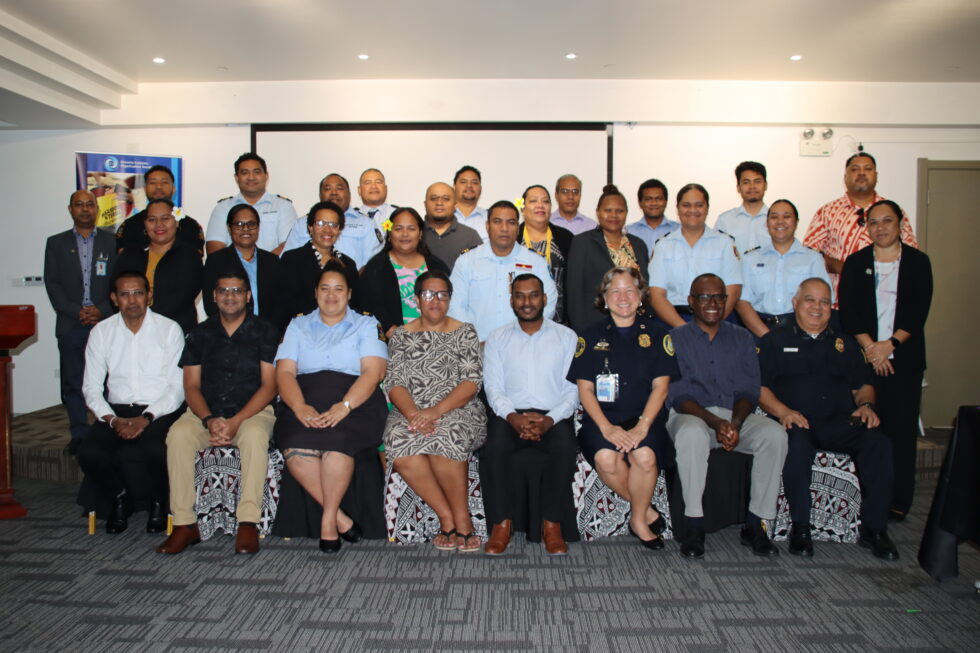
Customs organisations in the Pacific are advancing their digital systems to improve trade activities within the region and the world. The Oceania Customs Organisation (OCO) Secretariat and the PACER Plus Implementation Unit (PPIU) concluded a four-day Digital Customs Workshop in Nadi, Fiji, bringing together 23 participants from 15 member countries to chart a course towards paperless, efficient border operations. The ‘Digital Customs Workshop: Advancing Trade Facilitation and Modernisation through Technology’ was an initiative by OCO seeing that its members were making great strides in automating border processes. The workshop, held from October 27-30, highlighted the key principles of Digital Customs which was predictability, transparency and efficiency addressing growing concerns of trade delays and inefficiencies that have long plagued Pacific commerce. The four-day Digital Customs Workshop in Nadi last month, brought together 23 participants from 15 countries. PACER Plus Trade Advisor Alipate Tavo stressed the importance of customs’ digital transition for regional development. “Digital customs is a fundamental pillar for enabling trade facilitation and transparency. Through partnerships like this, PPIU continues to support the region in building the digital infrastructure and capacity required for modern customs and trade systems,” Mr. Tavo said. OCO Trade and Revenue Management Advisor Sumeet Singh said regional teamwork is essential for successful digital upgrades. “Going digital is the key to modernising customs. It’s all about being transparent, fast and trustworthy. As Pacific nations, we need to work together on systems that don’t just connect our borders — they should boost our economies too,” Singh said. The initiative aligns with international standards including the Revised Kyoto Convention, World Trade Organisation Trade Facilitation Agreement and supports the implementation of the Pacific Regional Trade Facilitation Strategy. The workshop featured presentations from the United Nations Conference on Trade and Development, UN Economic and Social Commission for Asia and the Pacific, and Pacific Community. It also provided a platform for OCO members to share and learn from their respective digital Customs journeys. Participants achieved five key outcomes during the workshop. They improved their understanding of digital Customs systems and skills in analysing trade data and also created draft national plans with specific timelines and priority actions for digital transformation. The workshop also helped build the groundwork for important legal changes, including laws for electronic signatures and protecting data. It also strengthened working relationships between regional organisations. More than half of OCO’s 24 members have already computerised their main clearance work representing a major progress towards fully digital Customs operations across the Pacific. Participants also produced an outcome statement of the workshop, which recommended several follow-up actions including consolidating national roadmaps into a regional action plan with bi-annual progress reviews, developing a Digital Customs Legal Readiness Checklist, launching regional cybersecurity initiatives, and establishing sustained digital skills programmes. These recommended actions will enable OCO members to “collectively overcome structural challenges, ensure faster trade flows and build stronger economic resilience for the region”. PPIU Operations and Secretariat Manager Laisiana Tugaga who provided closing remarks at the workshop stressed the importance of working together. Together with our partners, we are laying the foundation for a connected, efficient and paperless Pacific customs community. Laisiana Tugaga, PPIU Operations and Secretariat Manager The workshop represents part of ongoing PACER Plus Development and Economic Cooperation Work Programme efforts to ensure Pacific Island countries benefit equitably from digital transformation in international trade. The digital transformation initiative comes at a crucial time for Pacific trade, as island nations seek to modernise their economies while maintaining competitive advantages in global markets. -ENDS- More articles like this one
Fair Recruitment Key to Sustainable Reintegration, Says Prime Minister Manele at PLMAM 2025 Opening
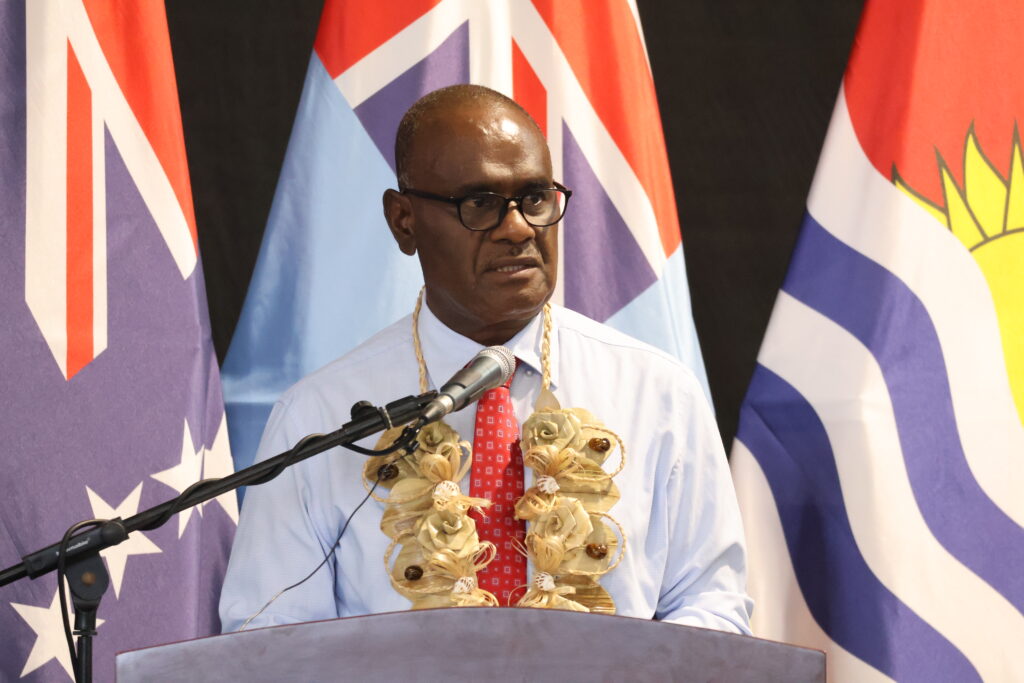
HONIARA, Solomon Islands – The Pacific Labour Mobility Annual Meeting (PLMAM) 2025 officially opened this morning in Honiara, Solomon Islands, bringing together Pacific labour mobility stakeholders from across the Pacific and beyond under the theme ‘Sustainable Reintegration Begins with Fair and Effective Recruitment’. Organised by the PACER Plus Implementation Unit (PPIU), which also serves as the Labour Mobility Secretariat, the PLMAM provides a regional platform for countries to work together on improving recruitment processes, worker welfare, and the long-term benefits of labour mobility for Pacific families and communities. The PLMAM 2025 has drawn participants from Australia, Cook Islands, Fiji, Kiribati, New Zealand, Nauru, Niue, Papua New Guinea, Samoa, Solomon Islands, Tonga, Tuvalu, Vanuatu, as well as Timor Leste and the Philippines. This year’s meeting has drawn participants from Australia, Cook Islands, Fiji, Kiribati, New Zealand, Nauru, Niue, Papua New Guinea, Samoa, Solomon Islands, Tonga, Tuvalu, Vanuatu, as well as Timor Leste and the Philippines. Opening the meeting, Prime Minister of Solomon Islands, Hon. Jeremiah Manele, said the Pacific’s labour mobility programmes have become an important pathway for employment, skills development, and economic empowerment across the region. Labour mobility is not just an economic policy it is a lifeline of opportunity. Thousands of Solomon Islanders have found meaningful work abroad, gained new skills, supported their families, and returned home with renewed hope and experience. Remittances from seasonal workers contributed SB$475 million in 2024 for Solomon Islands. While this may be small in comparison to other Pacific family members, these remittances are of immense significance to our economy. Hon. Jeremiah Manele Prime Minister of Solomon Islands, Hon. Jeremiah Manele, opened the PLMAM 2025. Head of the PACER Plus Implementation Unit and Labour Mobility Secretariat, Mr. Roy Lagolago, said the discussions at PLMAM 2025 would focus on strengthening collaboration between sending and receiving countries to ensure fair outcomes for all parties involved. “Fair and effective recruitment is where sustainable reintegration begins,” said Mr. Lagolago. “When workers are well-prepared, well-supported, and treated fairly throughout their journey, the benefits of labour mobility extend beyond individuals to uplift families, communities, and entire economies.” Over the next three days, PLMAM participants will discuss practical steps to improve worker recruitment, strengthen the partnership between Labour Sending Units and Employers, as well as regional measures to enhance the development impact of labour mobility through sustainable reintegration initiatives. The PLMAM, established under the PACER Plus Arrangement on Labour Mobility, continues to serve as the region’s main platform for cooperation on labour mobility issues and policy coordination between Pacific sending and receiving countries. -ENDS- More articles like this one