
Pacific Officials Receive Training on Bilateral Labour Migration Agreements

NADI, Fiji – The Pacific Agreement on Closer Economic Relations (PACER) Plus Implementation Unit (PPIU), in partnership with the International Labour Organisation (ILO), International Training Centre of the ILO (ITC-ILO), and the International Organisation for Migration (IOM), is currently hosting the first regional training workshop on Bilateral Labour Migration Agreements (BLMAs) in Nadi, Fiji. The workshop, which runs from 20-24 May 2024, aims to build the capacity of Pacific government focal points in the design, negotiation, implementation, and monitoring of BLMAs. Pacific officials at the first regional training workshop on Bilateral Labour Migration Agreements in Nadi, Fiji. BLMAs have gained prominence as tools to facilitate labour mobility and play an important role in ensuring that the rights of migrant workers are protected. But in practice, their design, content, monitoring, and implementation can restrict their potential impact. During this five-day training workshop, participants will be trained by international experts on how to address these constraints, drawing on regional and international best practices. A highlight of the workshop is targeted training on negotiation skills including role-play simulations aimed at empowering officials with the skills to better negotiate labour mobility agreements that promote their interests particularly in situations of unequal power relations. The workshop aims to culminate in the development of a Pacific-specific matrix to assist officials in the design, implementation and monitoring of Bilateral Labour Migration Instruments including existing labour mobility MOUs. “This regional workshop is a much-needed capacity building initiative for Vanuatu as we are currently reviewing our Pacific Australia Labour Mobility (PALM) Memorandum of Understanding (MOU) and are looking to also review our Inter-Agency Understanding (IAU) for the New Zealand Recognized Seasonal Employer (RSE). This being the first regional training of its kind has addressed key capacity constraints that we face in terms of negotiating, implementing and effectively monitoring bilateral labour mobility agreements and we are therefore very grateful to PPIU, ILO and IOM for this very valuable opportunity,” said Ms. Leisei Jimmy, Labour Mobility Manager for Vanuatu. “As the CEO for the Niue Chamber of Commerce, this has been an enlightening valuable opportunity which has stressed the importance of inclusivity in the design, implementation, and monitoring of our labour mobility agreements. With the help of PACER Plus, we will be launching labour mobility pilots in the next months, and we look forward to using what we have been learning this week to ensuring that our bilateral labour agreement, including for this pilot, are rights-based and conducive to delivering the interests of both Niue and other Pacific labour sending countries,” said Ms. Catherine Papani, CEO of the Niue Chamber of Commerce. A highlight of the workshop is targeted training on negotiation skills aimed at empowering officials with the skills to better negotiate labour mobility agreements. The PPIU is particularly grateful to the ILO and the IOM for their invaluable support in the successful delivery of this first regional workshop. “This regional workshop is a true testament to the value of cooperation and collaboration amongst regional stakeholders. The partnership with ILO, ITC-ILO, and IOM, through their Migration Multi-Partner Trust Fund (MMPTF), has allowed Pacific officials the opportunity to be trained by international experts and access internationally tested tools that will improve labour mobility good governance and the development of effective bilateral labour migration instruments for the Pacific. We look forward to continuing this level of collaboration into the future as we collaborate to increase the benefits of labour mobility for the Pacific,” said Dr. Alisi Kautoke Holani, PPIU’s Labour Mobility Specialist. -END- More articles like this one
Meeting Discusses PACER Plus Benefits and Future

APIA, Samoa – The seventh Pacific Agreement on Closer Economic Relations (PACER) Plus Joint Committee meeting concluded on Friday, 17 May in Apia, Samoa. Hosted from 16-17 May 2024, this important gathering brought together high-level government officials from the ten PACER Plus parties: Australia, Cook Islands, Kiribati, New Zealand, Niue, Samoa, Solomon Islands, Tonga, Tuvalu, and Vanuatu. This year’s meeting marked the second in-person gathering of the Joint Committee, following the one chaired by Niue in 2023. The seventh PACER Plus Joint Committee Meeting brought together high-level government officials from the ten PACER Plus member countries in Apia, Samoa. (Courtesy of Samoa Government) The PACER Plus Joint Committee, which serves as the governing body for the PACER Plus trade agreement, focused on the implementation of the Development and Economic Cooperation (DEC) Work Programme. The DEC Work Programme outlines the AU$25 million assistance from Australia and New Zealand provided to the PACER Plus parties to implement the agreement. It has six components linked to different aspects of the agreement, identifying expected outcomes for each component. The PACER Plus Joint Committee Meeting agenda included reviewing reports on the implementation of the chapters of the agreement and the Arrangement on Labour Mobility. Additionally, the meeting adopted the annual plan and budget for the financial year 2024-2025 and discussed the future of the DEC Work Programme post-2025. Mrs. Peseta Noumea Simi, the Chief Executive Officer of Samoa’s Ministry of Foreign Affairs and Trade, chaired the meeting. In her opening remarks, Mrs. Simi emphasised the importance of evaluating the PACER Plus effectiveness in facilitating trade and the movement of workers within the region. “We must take a deep dive into determining whether the PACER Plus agreement has delivered its anticipated outcomes. Our focus should be on ensuring that our economic cooperation translates into tangible benefits for all member countries,” said Mrs. Simi. Mr. Roy Lagolago, Head of the PACER Plus Implementation Unit (PPIU), highlighted the achievements of the past three years despite the challenges posed by the COVID-19 pandemic. “This financial year 2023-2024 is the first full year of implementation, and we have made significant progress in strengthening regional trade and economic cooperation,” Mr. Lagolago stated. The CEO of Samoa’s Ministry of Foreign Affairs and Trade and chairperson of the seventh PACER Plus Joint Committee Meeting, Mrs. Peseta Noumea Simi (left), with the Head of the PACER Plus Implementation Unit, Mr. Roy Lagolago. Representatives from the PACER Plus parties shared their insights and experiences regarding the impact of the agreement on their respective countries: Mr. Joe Pakoa Lui, Director of External Trade with Vanuatu’s Ministry of Foreign Affairs, International Cooperation, and External Trade: “Vanuatu continues to support PACER Plus as a framework to support Vanuatu in its commitment to regional economic integration. We’ve commenced implementation of our activities under PACER Plus and we’ve seen progress in trade facilitation, particularly with customs and rules of origin.” Ms. Doreen Siataga, Financial Secretary with Niue’s Ministry of Finance and Planning: “Niue has benefited from various activities funded under the PACER Plus agreement and is very grateful for the support provided in meeting country requests. For example, adoption of ASYCUDA World, a customs management system, to strengthen revenue collection, providing harvest bins to local growers to minimise post-harvest damage and exploring intra-regional labour mobility opportunities to address severe labour shortages across all sectors. Niue remains committed to implementing obligations under the agreement as well as national activities approved in the annual plan.” Ms. Koaa Ekeata, Deputy Secretary with Kiribati’s Ministry of Tourism, Commerce, Industry, and Cooperatives: “Kiribati has benefited from the capacity building efforts provided by PACER Plus, especially the trainings on electronic phytosanitary certificates and ASYCUDA World.” The meeting concluded with the announcement that Solomon Islands will host the next PACER Plus Joint Committee Meeting in 2025. -END- More articles like this one
Enhancing Investment Promotion Capacities in the Pacific
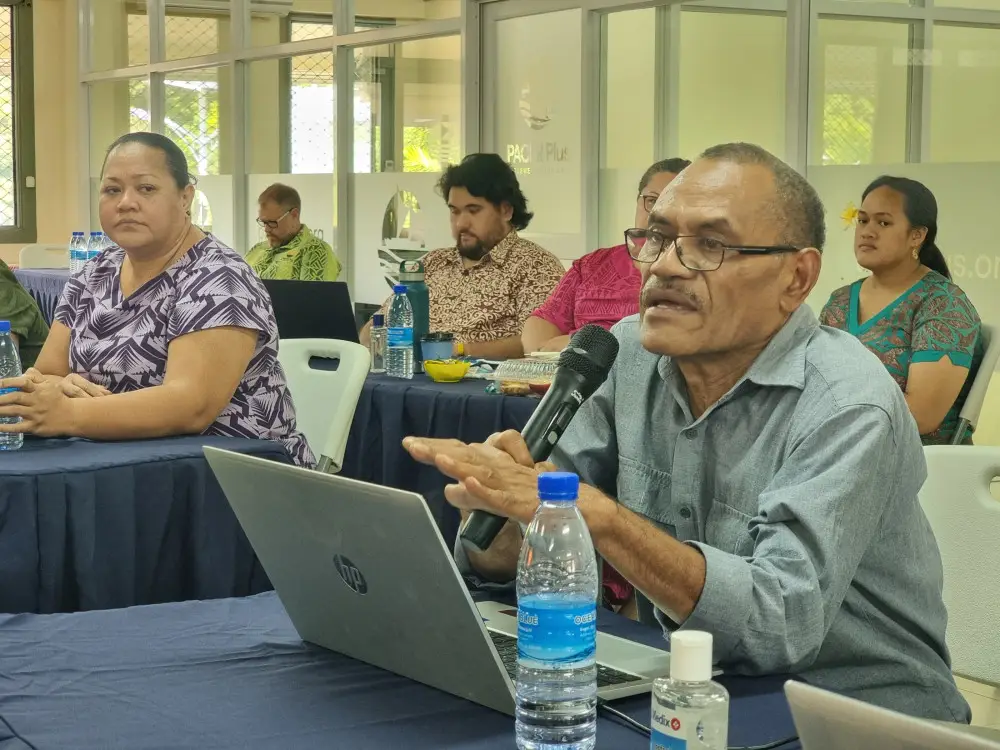
APIA, Samoa – The Pacific Agreement on Closer Economic Relations (PACER) Plus continues to pave a pathway forward on inclusive and sustainable investment across its member countries. In line with this vision, the PACER Plus Implementation Unit (PPIU) successfully delivered a Pacific Regional Investment Promotion Toolkit Workshop in Apia, Samoa from 15-19 April 2024. Participants of the five-day workshop included public and private sector officials from Cook Islands, Kiribati, Niue, Samoa, Solomon Islands, Tonga, Tuvalu, and Vanuatu. The workshop aimed to strengthen countries’ capacities in attracting and retaining investments, fostering collaborative effort, and achieving results for PACER Plus Pacific members. Recognising the multifaceted nature of investment promotion, the workshop addressed diverse needs extending beyond traditional aftercare services. Bilateral consultations highlighted the necessity for a comprehensive toolkit covering various stages of the investment cycle, from strategy formulation to promotional material development. https://youtu.be/7AHQ39RrLXQ Participants from Samoa and Tonga spoke to the value of the workshop. Participants included public and private sector officials from Cook Islands, Kiribati, Niue, Samoa, Solomon Islands, Tonga, Tuvalu, and Vanuatu. The five-day workshop fostered interactive learning, featuring practical exercises, case studies, and simulations. CEO of the Niue Chamber of Commerce, Catherine Etuata Papani, raises a point while participants from Samoa and Niue look on. Reflecting on the workshop, Tauatia Tuimauga, Principal Investment Promotion Officer at Samoa’s Ministry of Commerce, Industry, and Labour, underscored its practical value. “The workshop provided invaluable insights into enhancing Samoa’s attractiveness to potential investors,” said Ms. Tuimauga. Raymond Vuti, CEO of Vanuatu Foreign Investment Promotion Agency, echoed similar sentiments, expressing optimism about improving investor confidence and stimulating investment in Vanuatu. -END- More articles like this one
PACER Plus Workshop Empowers Pacific Countries in Revenue Mobilisation
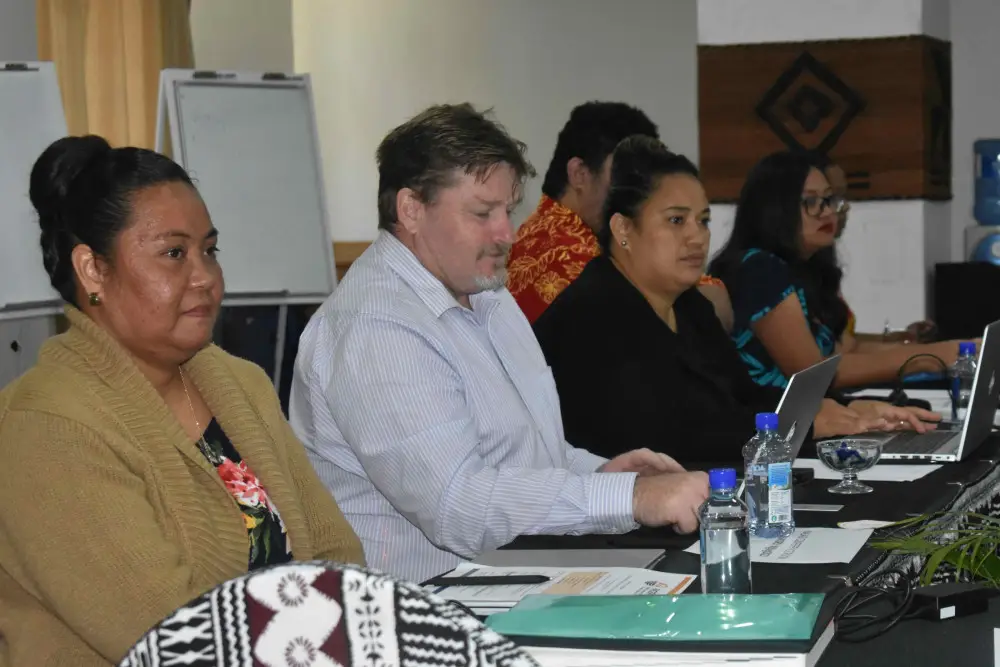
NADI, Fiji – The Pacific Agreement on Closer Economic Relations (PACER) Plus Implementation Unit (PPIU) is currently hosting a three-day Dialogue for Revenue Mobilisation for PACER Plus parties in Nadi, Fiji. The event, which started today 27 February, will conclude on 29 February. This regional initiative targets the customs and tax administrations of PACER Plus parties and signatories, including Australia, Cook Islands, Kiribati, Nauru, New Zealand, Niue, Samoa, Solomon Islands, Tonga, Tuvalu, and Vanuatu. The dialogue is a collaborative effort with key partners, including the Pacific Financial Technical Assistance Centre (PFTAC), the Pacific Islands Tax Administrators Association (PITAA), and the Oceania Customs Organisation (OCO). Participants at the PACER Plus Dialogue for Revenue Mobilisation in Nadi, Fiji. The primary focus of the dialogue is on capacity building, empowering officials to effectively manage revenues. Mr. Alipate Tavo, PPIU Trade Adviser, highlighted the significance of this workshop, stating, “This talanoa is a unique opportunity to enhance the capacity of our officials, equipping them with the skills needed to navigate the evolving economic landscape and promote sustainable growth in the Pacific.” The dialogue serves as a platform for knowledge sharing on best practices for tax regimes and revenue administration. It encourages strategic planning, fostering discussions on short-term actions and long-term structural reforms to enhance revenue administration and collection. Illustrating the commitment to regional collaboration, the dialogue aligns with PACER Plus’s overarching goal of increasing trade in the region. By engaging with key partners, it strengthens regional cooperation in improving tax regimes and ensuring the sustainable economic growth of Pacific Island countries. The outcomes of the dialogue extend beyond immediate capacity building. Improved regulatory and policy reforms are anticipated, supporting Rules of Origin (ROO) obligations and tariff commitments. -END- More articles like this one
Outcomes Document on the 2023 PLMAM Reflects Significant Progress and Collaboration

PORT VILA, Vanuatu – The 2023 Pacific Labour Mobility Annual Meeting (PLMAM), held in Port Vila, Vanuatu, from 20-24 November 2023, marked a milestone in the cooperative efforts of Pacific labour mobility stakeholders, resulting in a comprehensive Outcomes Document that outlines crucial decisions and initiatives for the region. Prime Minister of Vanuatu, Hon. Charlot Salwai (seated, second from right) with Deputy Prime Minister and Minister of Foreign Affairs, Hon. Matai Seremaiah (seated, far right), Minister of Internal Affairs, Hon. Rick Tchamako (seated, far left) with members of the diplomatic corps and PLMAM 2023 participants from Vanuatu and the region. Government officials from Australia, Cook Islands, Fiji, Kiribati, Nauru, New Zealand, Niue, Papua New Guinea, Samoa, Solomon Islands, Tonga, Timor Leste, Tuvalu, and Vanuatu participated in the five-day proceedings. Additionally, attendees included labour mobility workers, Recognised Seasonal Employer (RSE) and Pacific Australia Labour Mobility (PALM) schemes employers, industry representatives, trade unions, private sector, academia, civil society, and representatives from regional and international organisations. Key highlights from the Outcome Document include: 1. PLMAM 2023 identified the following as priority areas for action: Develop Pacific Guidelines for Sustainable Reintegration. Acknowledge the commitments from employers outlined in the Employer Forum Outcomes and support coordination towards those commitments including facilitating greater direct engagement between employers and Labour Sending Units (LSUs). Develop recommendations to establish minimum standards to protect and improve worker earnings including review of recruitment-related costs and deductions. Develop recommendations to improve worker access to social services and social protection, and increase flexibility to change employers. Review options for improving accommodation with particular consideration of privacy. Develop options for a rating system for employers in Australia and New Zealand. Support inclusion of Unions in labour mobility forums and programmes. 2. Good Labour Mobility GovernancePLMAM 2023 recognised the importance of ensuring good labour mobility governance in the Pacific. Based on a reference paper presented by the International Labour Organisation (ILO), participants recognised the importance of guidelines on good labour mobility governance to ensure that bilateral and national labour mobility arrangements promote good governance. 3. Pacific Labour Mobility OpportunitiesPLMAM recognised the developments in the Pacific Australia Labour Mobility (PALM) and the New Zealand Recognised Seasonal Employer (RSE) schemes. It acknowledged the ‘next generation’ approach to the review of New Zealand’s labour mobility programmes with a focus on development, skills and training opportunities, circular opportunities, worker well-being, maximising benefits and mitigation of negative impacts on communities and collective regional responsibility. It also welcomed Australia’s AUD440 million investment to improve the PALM scheme to deliver on its key objectives of recognising the mutual interest of all participants, supporting the wellbeing of workers and upholding their workplace rights and protections, addressing workforce shortages in Australia when Australian workers are unavailable, and supporting the economic growth of participating countries through employment creation and skills development. The meeting also welcomed the new labour mobility opportunities to Cook Islands and Niue and acknowledged that the relatively higher minimum wage and skills development opportunities in these labour receiving countries exist as key incentives to facilitate intra-Pacific labour mobility. 4. Implementation Roadmap for Pacific Remittance Data CollectionThe PLMAM approved an Implementation Roadmap for Pacific Remittance Data Collection, emphasising the importance of addressing constraints to remittances data for Pacific economies. This work will be led by the PACER Plus Implementation Unit (PPIU) commencing from FY2024/25. The document can be accessed here. 5. Regional Labour Mobility InitiativesPLMAM 2023 noted the 2023 Pacific Forum Leaders Meeting directive for the development of Regional Labour Mobility Principles and encouraged the use of existing mechanisms and forums to undertake wide consultations to inform the development of the Principles. It also emphasised the importance of improved collaboration between the PPIU and the Pacific Island Forum Secretariat (PIFS) to ensure complementarity in their labour mobility initiatives and support to countries. The meeting also welcomed and approved the offer by the Australian government to host the 2024 PLMAM. The PLMAM Outcomes Document informs the labour mobility work programme of the PPIU and its partnerships with key labour mobility regional stakeholders. This linkage ensures that the outcomes from PLMAM are effectively implemented and that tangible outcomes are delivered to increase the development benefits of labour mobility in Pacific countries. The full 2023 PLMAM Outcomes Document can be accessed on the link below. Outcomes Document – 2023 Pacific Labour Mobility Annual Meeting -END- More articles like this one
PACER Plus Trade in Services Workshop Fuels Capacity Development in the Region
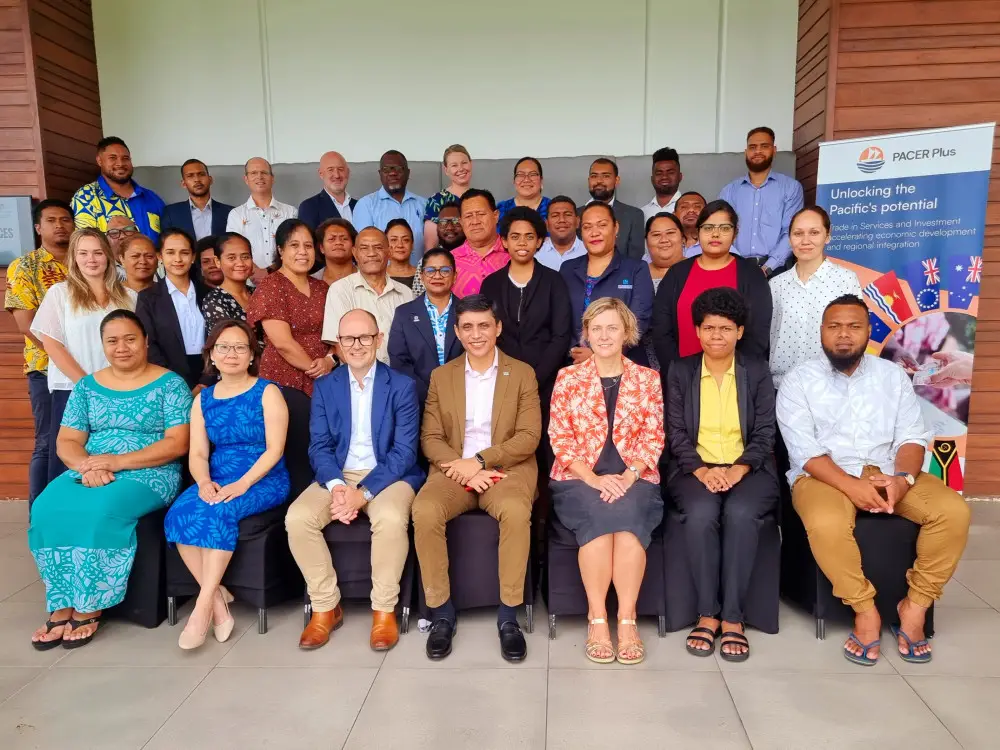
SUVA, Fiji – The PACER Plus Implementation Unit (PPIU) in collaboration with the Australian Department of Foreign Affairs and Trade (DFAT) successfully conducted the Pacific Regional Advanced Trade in Services (TIS) and Project Proposal Workshop from 16-19 January 2024, in Suva, Fiji. This event marks a pivotal point in advancing regional cooperation and empowering Pacific nations to navigate the complexities of services trade. The workshop builds on the foundation of the PPIU’s Introductory TIS Workshop in Samoa in May 2023, and the Pacific Regional Introductory TIS Workshop and Proposal Clinic in Suva in September 2023. Regional participants attend the PACER Plus Advanced Pacific Regional Trade in Services and Project Proposal Workshop in Suva, Fiji. Ms. Olivia Phongkham, PPIU’s Trade in Services and Investment Adviser, expressed enthusiasm about the workshops impact. “This workshop is an exciting event for Pacific Island Countries to maximise the opportunities services trade and investment provides the region. It also allows participants to share their experiences and knowledge with other countries, so that they can learn from each other and help build a community of practice. The discussions on scheduled commitments and digitally enabled services provide valuable insights for our ongoing efforts in the Pacific,” she said. The objective of the Advanced Pacific Regional TIS Workshop is to increase the participants’ understanding of, and capacity to negotiate and implement, Services commitments under PACER Plus and International Trade Agreements. In addition, participants further developed their skills in drafting and finalising bankable project proposals on trade in services, e-commerce, and investment for PACER Plus and international organisations. Mr. Shaheen Ali, Permanent Secretary to the Fijian Ministry of Trade, Co-operatives, SMEs, and Communications. Mr. Shaheen Ali, Permanent Secretary to the Fijian Ministry of Trade, Co-operatives, SMEs, and Communications, emphasised the significance of the initiative. “To grow our trade in services, our private sector needs secure, consistent, and guaranteed access to markets in our region and beyond. Regional and bilateral trade agreements will play an important role in extending the services export market of the Pacific and the world,” he said. Mr. Andrew Shepherd, Acting Deputy High Commissioner at the Australian High Commission in Fiji, highlighted the collaborative efforts involved, saying, “Australia values its partnership with Pacific nations in trade development. The success of this workshop reflects the shared commitment to fostering economic growth and prosperity in the region.” Following the successful conclusion of this workshop, there are tentative plans to run another event later in 2024. -END- More articles like this one
PACER Plus Parties Emphasise Regional Economic Integration at the 2023 Forum Trade Ministers Meeting

SUVA, Fiji – The 2023 Forum Trade Ministers Meeting (FTMM) convened on 6 October 2023 in Suva, Fiji where delegates engaged in discussions on key priorities that will shape the future of trade and investment in the region. (L-R) Ms. Sovaia Marawa, Melaneasian Spearhead Group Secretariat; Mr. Esala Nayasi, Pacific Islands Forum’s Deputy Secretary General; Mrs. Laisiana Tugaga, PPIU’s Operations and Secretariat Manager; H.E. Ambassador Mere Falemaka, Permanent Delegation of the Pacific Islands Forum to the United Nations, World Trade Organisation. The meeting was chaired by the Cook Islands, and attended by PACER Plus Parties Australia, Cook Islands, Kiribati, New Zealand, Niue, Samoa, Solomon Islands, Tonga, Tuvalu, and Vanuatu as well as the Federated States of Micronesia, Fiji, French Polynesia, Nauru, New Caledonia, Palau, Papua New Guinea, and Marshall Islands. Key priorities discussed during the meeting included the current Regional Trade and Investment Landscape, the implementation of the 2050 Strategy for the Blue Pacific Continent, the Pacific Aid for Trade Strategy, private sector development priorities, and labour mobility. Representatives from the Pacific Agreement on Closer Economic Relations Plus (PACER Plus) Parties emphasised the pivotal role of PACER Plus as a mechanism for regional economic integration. The discussions underscored the commitment to principles of regionalism and sustainable socio-economic development, highlighting the importance of collaboration among Pacific nations. The 2023 FTMM recognised the need for alignment across regional frameworks to increase efficiency gains and enhance development returns to member countries. Participants acknowledged the significance of fostering cooperation and solidarity in addressing shared challenges and pursing common goals for the Pacific. Mrs. Laisiana Tugaga, Operations and Secretariat Manager of the PACER Plus Implementation Unit (PPIU) stated, “The 2023 FTMM provided a valuable platform for PACER Plus Parties to strengthen their commitment to regional economic integration. The discussions reflected a shared vision for the sustainable development of the Pacific, and the PACER Plus Implementation Unit is eager to work collaboratively with the Pacific Islands Forum on common initiatives for the region.” -END- More articles like this one
PACER Plus Empowers Pacific Economies Through E-Commerce Initiatives

Ms. Olivia Phongkham, the Trade in Services and Investment Adviser with the PACER Plus Implementation Unit (PPIU), shared insights on PACER Plus and its e-commerce initiatives at the United Nations Conference on Trade and Development (UNCTAD) E-Commerce Week in Geneva, Switzerland. Ms. Phongkham’s presentation emphasised the transformative potential of e-commerce, digital trade, and the broader digital economy in accelerating economic recovery, fostering resilience, and promoting inclusive development in Pacific Island Countries. The COVID-19 pandemic has underscored the pivotal role of technology in enabling businesses to sustain trade operations. E-commerce is a vital tool for businesses, enabling them to surmount physical and economic challenges, foster diversification in goods and services, and enhance market access. Digital and ICT technologies empower micro-, small and medium-sized enterprises and women entrepreneurs to connect with global customers, improve communication within the global and regional value chains, access government e-services, information, and online business training. PPIU’s Trade in Services and Investment Adviser, Ms. Olivia Phongkham (far right), joins other partners on a panel to speak on “Enhancing the Transition from Offline to Online for Small Businesses in the Pacific” at the UNCTAD E-Commerce Week in Geneva. Despite its immense potential, Pacific Island Countries encounter challenges such as weak infrastructure, limited inclusive access to ICT and finance, policy and regulatory gaps, skills shortages, and inefficient trade facilitation. The PACER Plus AUD$25 million Development and Economic Cooperation (DEC) work program aims to address these constraints and bolster regional economic integration and connectivity. The PACER Plus Implementation Unit is actively engaged in collaborative efforts with partner governments, private sectors, and development partners to enhance capacity in the e-commerce sphere. The PACER Plus E-Commerce activities for the financial year 2022-23 include: Cook Islands: Conducted an e-commerce regulatory gap analysis in 2022 and launched the E-Commerce Acceleration Work Plan in September 2023. Kiribati: Validated Kiribati’s E-Commerce Policy in January 2023 through a national consultation involving 47 participants. Samoa: Launched Samoa’s National E-Commerce Strategy in September 2023 in the islands of Upolu and Savai’i. Tuvalu: Undertook an assessment and options analysis for expanding the payment ecosystem for e-commerce in Tuvalu in May 2023. Regional: Collaborated with the Asian Development Bank on a Regional Workshop on Cross Border E-Commerce in in September 2022. Regional: Supported the development and rollout of E-Commerce Business Toolkits to strengthen the start-up ecosystem for MSMEs E-Commerce business ventures in Niue, Tonga, Tuvalu, and Vanuatu in November 2023. E-commerce and digital trade are pivotal areas for PACER Plus countries to collaborate with regional and global development partners, fostering productivity, entrepreneurship, innovation, job creation, and access to new markets. PACER Plus is committed to supporting stable, secure, and prosperous Pacific economies through deeper regional economic integration, support diversification and access to new trade opportunities. -END- More articles like this one
Seventh Pacific Annual Labour Mobility Meeting Taking Regional Labour Mobility Cooperation to the Next Level

PORT VILA, Vanuatu – The Government of Vanuatu successfully hosted the seventh Pacific Labour Mobility Annual Meeting (PLMAM) from 20-24 November 2023, bringing together nearly 350 delegates from across the Pacific, Australia, New Zealand, and Timor Leste. The PLMAM serves as a crucial platform for increasing regional labour mobility cooperation on labour mobility priorities in the region and is a key initiative under the Pacific Agreement on Closer Economic Relations (PACER) Plus Arrangement on Labour Mobility. PLMAM 2023 has taken the regional forum to a new level of inclusivity, attracting more stakeholders than ever before, including workers, employers, trade unions, private sector, civil society, and government officials. This year’s meeting was convened under the theme “Harnessing the Development Benefits of Labour Mobility” reflecting the commitment of participating nations to explore avenues for maximising the positive impact of labour mobility on the economic and social development of the region. Ms. Murielle Meltenoven, Commissioner of Labour with Vanuatu’s Department of Labour and Employment Services, expressed enthusiasm about the outcomes of the PLMAM 2023, stating, “The seventh Pacific Annual Labour Mobility Meeting has been a success, fostering collaboration among nations to harness the development benefits of labour mobility. The discussions and initiatives unveiled during the meeting will contribute significantly to the prosperity and growth of our region.” The meeting addressed a wide range of issues, including measures to enhance the impact of return migration and reintegration in Pacific economies and societies, improving worker welfare and wellbeing, and improving the effectiveness of the Arrangement on Labour Mobility (ALM). The PLMAM 2023 also featured an Employer Forum where employers have made strong commitments to supporting the success of Pacific labour mobility schemes and its contribution to sustainable development in the Pacific. Mr. Roy Lagolago, Head of the PACER Plus Implementation Unit and Labour Mobility Secretariat, emphasised the importance of collaborative efforts: “Labour mobility is a powerful driver of economic development in the Pacific. The PLMAM serves as a vital forum to strengthen partnerships, share best practices, and explore innovative solutions. The commitment demonstrated by all participants reinforces the shared vision of advancing regional prosperity through responsible and sustainable labour mobility.” Mr. Lagolago also expressed his gratitude to the Approved Employers for their commitment to fostering labour mobility in the Pacific. “The inaugural Employer Forum during the PLMAM 2023 was a significant milestone, highlighting the collaborative efforts of our Approved Employers from Australia and New Zealand,” he said. Australia has been announced as the host for the next PLMAM in 2024. The PLMAM is funded by the Governments of Australia and New Zealand, with facilitation provided by the PACER Plus Implementation Unit, in its role as the Labour Mobility Secretariat. -END- More articles like this one
Pacific Labour Mobility Annual Meeting Officially Opens in Vanuatu
PORT VILA, Vanuatu – The Pacific Labour Mobility Annual Meeting (PLMAM) 2023 was officially opened today in Port Vila, Vanuatu by the Prime Minister of Vanuatu, Hon. Charlot Salwai. PLMAM is the preeminent regional forum for labour mobility for the Pacific and is established under the PACER Plus Arrangement on Labour Mobility (ALM) to promote regional cooperation and a platform for inclusive dialogue to inform labour mobility policies. PLMAM 2023 takes place from 20-24 November 2023 at the Warwick Le-Lagon Resort in Port Vila, Vanuatu. Prime Minister of Vanuatu, Hon. Charlot Salwai (seated, second from right) with Deputy Prime Minister and Minister of Foreign Affairs, Hon. Matai Seremaiah (seated, far right), Minister of Internal Affairs, Hon. Rick Tchamako (seated, far left) with members of the diplomatic corps and PLMAM 2023 participants from Vanuatu and the region. The Meeting brings together nearly 350 participants including workers, employers, government officials, private sector, unions, civil society, academics and regional organisations, to discuss the theme of “harnessing the development benefits of labour mobility”. “The success of this event would be a testament to the strength of our partnerships and commitment to advancing labour mobility initiatives and addressing the issues collectively in the Pacific region,” said Prime Minister Hon. Salwai. A notable addition to this year’s PLMAM is the Pacific Regional Sustainable Reintegration Workshop, a pioneering initiative aimed at exploring and determining a regional approach to leveraging labour mobility to increase the development impact of return migration and reintegration. Reintegration is recongised as a relatively new concept for the Pacific and the workshop provides an opportunity for countries to better understand the dynamics of reintegration, learn from best practices within the Pacific region as well as other regions and determine a regional way forward that can work for the Pacific. Mr. Roy Lagolago (left), Head of the PACER Plus Implementation Unit and Labour Mobility Secretariat shakes hands with the Prime Minister of Vanuatu, Hon. Charlot Salwai. “This year’s theme of ‘harnessing the development benefits of labour mobility’ underscores the positive impact that a well-managed labour mobility program can have on participating countries. As we celebrate this collaboration, it is also timely that we reflect on our collective commitments to ensure we maximise our benefits while minimising our challenges,” said Prime Minister Salwai. The Workshop is also supported by the International Labour Organization (ILO), International Office for Migration (IOM) and the World Bank. The PLMAM 2023 will also feature speakers from all key stakeholder groups including workers, private sector, skills development providers, union and government ensuring the inclusivity of PLMAM to address regional labour mobility issues and enhance the development benefits of labour mobility for the Pacific. For more information on PLMAM 2023, please visit pacerplus.org/events/plmam2023. -END- More articles like this one