
Rethinking the Development “Wins” from Labour Mobility
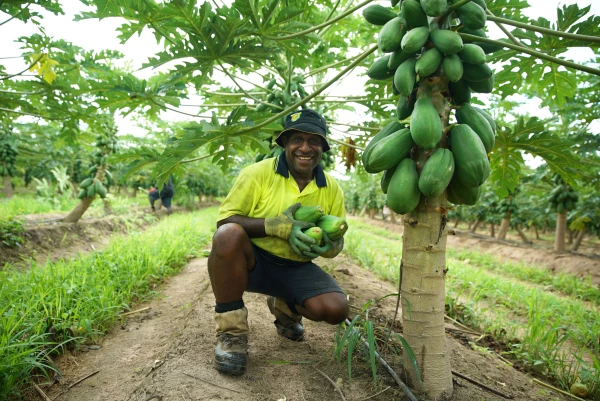
The development benefits of labour mobility are not as straight forward as we would like. Emeritus Professor Richard Bedford dwelled on the complexities of the labour mobility-development nexus saying “we’re just assuming that labour mobility is always good, or labour mobility is always bad. Labour mobility is a process and an option that individuals can exercise at different times in their lives, depending on the access they’ve got to other places to live in, and it’s not just a simple linear direct relationship”. Labour mobility generally refers to the movement of labour to deliver a service in an overseas labour market. It can cover movement for very short periods or a much longer or even permanent term. Similarly, development is defined by scale, and it is crucial to recognise the factors which enhance or mitigate development at every level. Labour migration can generate “triple wins” for migrants, their countries of origin and the countries that receive them. Photo: PALM Scheme Professor Bedford elaborated that “if you’re looking at mobility generally, you’re looking at decisions that people make about moving in order to achieve some particular goals or improvements perhaps in their lives or to escape something which they don’t like in the context they’re currently living in. So, development in that context is very much development of the individual and the social unit that they’re involved in and just by simply saying that what’s good for the individual is necessarily good for the community or good for the nation is a little bit simplistic”. The labour mobility-development nexus has also been captured in the proposal that temporary labour migration can generate ‘triple wins’ for migrants, their countries of origin and the countries that receive them. While there is consensus amongst labour mobility researchers on labour mobility generating multiple wins, there is not much convergence on who wins. Professor Bedford indicated that the “challenge with the triple win is that there are two parties that are definite — the employer who wants labour, and the workers who provide that labour. They are the people who are engaged in the process of seasonal movement, and they have to feel that they are benefiting from the interaction.” The third win, however, is unclear. Some scholars are questioning whether the “win” for individual workers effectively translates to sustainable socio-economic development in their countries of origin. Professor Bedford elaborated on the issue saying “people who come back year after year, their family becomes completely dependent on money earned offshore, and that’s not to contribute to development back home, that’s just simply to cover consumption. It (increased consumption) increases imports into the country because all they’re really doing is adding to consumer demand for, well, a mix of local produce and often more and more imported produce, which doesn’t do great things for the balance of trade necessarily for the country”. At the same time, the win for the labour receiving countries should not be discounted. Professor Bedford said that “the receiving country is getting an enormous amount of revenue from this as well, and we don’t really quantify that. We don’t ever address that, and so I actually think the triple win concept needs some quite careful rethinking”. The development benefits of labour mobility are also contingent on the type of labour mobility. Professor Bedford highlighted the critical importance of stakeholders understanding the contrasting impacts of short-term and long-term labour mobility programmes. “The biggest negative is taking away the skilled labour that the public and private sectors in the island countries need and have spent a lot of money training,” Professor Bedford stated. He further clarified that in the case of short-term labour mobility “you should be selecting people in villages who have few opportunities to earn a lot of money at home because their skills are very much the skills of agriculture and that’s where they will make their money, their skills. They’re people that work the land, and you’re going to bring them in to continue to work the land”. Long-term labour mobility can have a different type of impact and these contrasts should be considered in the design of labour mobility and development policies and strategies. The Pacific Labour Mobility Annual Meeting (PLMAM) provides a unique forum for rethinking of the different “wins” from labour mobility to inform policy formulation in the Pacific. Professor Bedford recognised the significance of PLMAM stating that it provides the “opportunity to share information, to acknowledge that we (countries) are in competition, but…we’re going to have to cooperate andcollaborate and work out standards and work out bottom lines, what we’re prepared to accept and what we’re not prepared to accept and not to undercut each other and not to have a race to the bottom”. With the theme of “harnessing the development benefits of labour mobility”, PLMAM 2023 seeks to bring together all relevant stakeholders to determine regional solutions that can enhance the wins for all those involved. More articles like this one
Empowering Families, Transforming Lives

The Famili i Redi Journey of Cleef Aru In the heart of Port Vila, Vanuatu, Cleef Aru, a 44-year-old father of two embarked on a transformative journey that reshaped not just his life but his entire family’s future. Like many Ni-Vanuatu, Cleef ventured abroad as a seasonal worker, seeking opportunities to provide for his young family. Like many young fathers, Cleef was confronted by the pressures to provide for his young family amidst rising cost of living at home yet restrained by the limited employment opportunities available to him. Labour mobility provided a rare opportunity for Cleef to overcome these constraints and to create a better future for his family. Prior to working overseas, Cleef earned an average of USD$162 fortnightly as a mechanic. On his farm job in Australia on his first trip overseas, working both as a mechanic, driver and grapefruit picker, Cleef earned USD$1,248 per fortnight, almost seven times more than his income at home. The monetary opportunities enticed Cleef to also encourage his wife Seri Kalotiti to join him in Australia, with the hope that together they can double their earnings to meet social obligations at home and create a better life for their young family. Cleef Aru and his wife, Seri Kalotiti, ventured abroad as seasonal workers, seeking opportunities to provide for their young family. But like all good things, there is also a downside to Cleef’s labour mobility story. Before his wife joined him in Australia, Cleef faced the harsh realities of his new life in a foreign environment, away from his family and his familiar way of living. Distance strained their family bonds, and the challenges of settling into a new environment took a toll on his well-being. Cleef began to turn to alcohol and drugs. “This affected my relationship with my wife and children,” he confessed, reflecting on the difficulties he encountered. After consecutive trips overseas and returning to Vanuatu with no progress on plans, Cleef realised that change was imperative. It was then that he and his wife had the chance to attend a Famili i Redi workshop, a pioneering program crafted by the World Vision Vanuatu, International Organisation for Migration, the Vanuatu Department of Labour and with seasonal workers and their families. This initiative aims to provide holistic tools, skills and strategies for labour migrants and their intimate partners, including modules on what to expect from overseas work, healthy relationships, nutrition, gender-based violence prevention and family financial management, which encompasses budgeting, saving, reducing the cost of remittance transfers and entrepreneurship upon reintegration in Vanuatu. Utilising what they had learnt from the Famili i Redi workshop, Cleef and Seri embarked on a transformative journey. They participated in training sessions that not only empowered them with valuable life skills but also helped them envision a brighter future. Together, they set ambitious long-term goals which included constructing a family home, starting a bakery business, investing in a fishing boat, and acquiring a truck. Driven by determination and newfound knowledge, Cleef made significant lifestyle changes. He relinquished alcohol and cigarettes, focusing on his family’s well-being and the pursuit of their goals. Both Seri and Cleef agreed that she will continue her work in Australia while Cleef managed their projects and cared for their children back home. Cleef Aru proudly smiles as he stands in front of his house which is currently under construction. Today, they stand proudly halfway through building their dream home – a testament to their unwavering dedication. The family’s bakery business has flourished, with Cleef’s freshly baked bread becoming a local favourite in Port Vila and beyond. The couple even acquired a van, enabling them to transport their baked goods to communities at each end of Efate Island. “Beyond accomplishing our family’s long-term goals, the Famili i Redi program helped my wife and I communicate better. In doing so, this has helped our relationship, especially with my wife working abroad,” shared Cleef, highlighting the impact Famili i Redi had on their communication and connection. As Jimmy Kawiel, Deputy Portfolio Manager, Climate and Resilience Livelihoods Portfolio expressed, “Cleef’s journey exemplifies the potential for positive change when families are equipped with the right tools and support. We are committed to empowering more families like Cleef’s, ensuring their dreams become reality.” Cleef Aru’s story is true for many labour mobility workers. Many started off with bright dreams and high hopes but only to be toppled by the harsh realities of life in a new environment, away from family and the familiarities of home. Initiatives such as Famili i Redi are critical in providing the necessary lifeline for workers and their families. The family’s bakery business has flourished, with Cleef’s freshly baked bread becoming a local favourite in Port Vila and beyond. Cleef’s labour mobility journey highlights the significance of the employment opportunities offered by labour mobility schemes but that the benefits of these opportunities can be overshadowed by the challenges of life away from home. These challenges do not discount or devalue the potential benefits of labour mobility, they only accentuate the need for lifelines to support workers and their families overcome these trials. Famili i Redi is a true example of the benefits of these lifelines to enable workers and their families to reap the full benefits of labour mobility. Thanks to the vision and dedication of initiatives like Famili i Redi, lives are transformed, families are strengthened, and communities thrive, one empowered family at a time. As the slogan for the training says: it’s not an individual journey but a family journey. More articles like this one
Exporting Samoan Taro to New Zealand

Empowering Farmers and Nurturing Communities In the heart of Samoa, where lush green fields stretch under the embrace of the Pacific sun, a remarkable story of resilience and opportunity unfolds. Meet Seuamuli Kome Robbie Lauano, a 48-year-old entrepreneur whose dedication and resourcefulness have brought the flavours of Samoan taro to the shores of New Zealand, thanks to the support of the Ministry of Agriculture and Fisheries (MAF) Samoa and the PACER Plus Implementation Unit. Mr. Lauano’s journey began with a simple but profound realisation. He saw the untapped potential of small farmers in Samoa who lacked the opportunity to export their produce. Determined to bridge this gap, Mr. Lauano reached out to the PACER Plus Implementation Unit, which utilised its networks to support Mr Lauano. With a vision of empowering local farmers, Mr. Lauano set out to purchase their taro, offering fair prices that sustained their families in numerous ways. By eliminating the middlemen and directly supporting the farmers, he not only ensured their financial stability but also fostered a sense of hope and optimism within the community. Iopu Ma’aolo (left), a farmer from Savai’i, smiles as he receives WS$1,080 in cash from Seuamuli Kome Robbie Lauano for the export of his taro. Through Mr. Lauano’s efforts, over 2,000 kilograms of Samoan taro made their way to New Zealand, crossing borders with zero tariffs under the PACER Plus agreement. The destination was Papakura Wholesale Meats Direct, a store in Auckland, New Zealand owned by Mr. Lauano and his business partner, Toomata Paul Stowers. The response from consumers were overwhelming, as word spread about the availability of fresh, high-quality Samoan taro. Throngs of eager customers travelled from Otara, Manurewa, and Mangere to savour the taste of these traditional delights. The aroma of boiled taro filled the air, as families gathered around tables adorned with the bounty from Samoa. The connection to their cultural heritage was rekindled, and the demand for Samoan taro soared. For Mr. Iopu Ma’aolo, a 35-year-old farmer from Savai’i, this newfound opportunity brought tangible improvements to his family’s life. With a beaming smile, he shared how he earned WS$1,080 (US$400) from the export of his taro. Comparing the current market prices, he expressed gratitude for the upfront payment and the increased value of his produce. The additional income would help secure a brighter future for his two children, offering them improved access to education and healthcare. Avea Vaoga (right), a farmer from Savai’i, receives WS$5,400 from Seuamuli Kome Robbie Lauano which he plans to invest in his farm. Similarly, Mr. Avea Vaoga, a 52-year-old farmer also from Savai’i, rejoiced at the fruits of his labour. When he received a cash payment of WS$5,400 (US$2,000) for his taro, his joy knew no bounds. As a community leader, Mr. Vaoga understood the significance of this opportunity not only for his family but also for the entire community. With his newfound earnings, he planned to invest in his farm, providing employment to young men in the village. The prospect of agricultural prosperity excited him, as he envisioned a future where opportunities for export continued to uplift local farmers. Beyond the financial gains, the export of Samoan taro holds deeper significance. It symbolises a revival of cultural identity and pride, reminding Samoans living abroad of their roots. The aroma, taste, and texture of this traditional staple transport them back to cherished memories and traditions, strengthening the bonds that unite the Samoan diaspora. The success of Mr. Lauano’s venture highlights the importance of empowering local farmers and supporting agricultural growth in Pacific countries. Samoa’s MAF and the PACER Plus Implementation Unit’s role in supporting this journey serves as a testament to the transformative power of collaboration and opportunity. As the sun sets over the expansive taro fields of Samoa, Mr. Lauano continues to work tirelessly, bridging the gap between farmers and distant markets. His story is a testament to the resilience and determination of Pacific communities and a beacon of hope for farmers who dare to dream of a brighter future. With each kilogram of Samoan taro exported, a legacy of empowerment, sustainability, and cultural preservation is written, one that echoes through generations to come. -END- More articles like this one
Bridging the Gender Gap in Agriculture
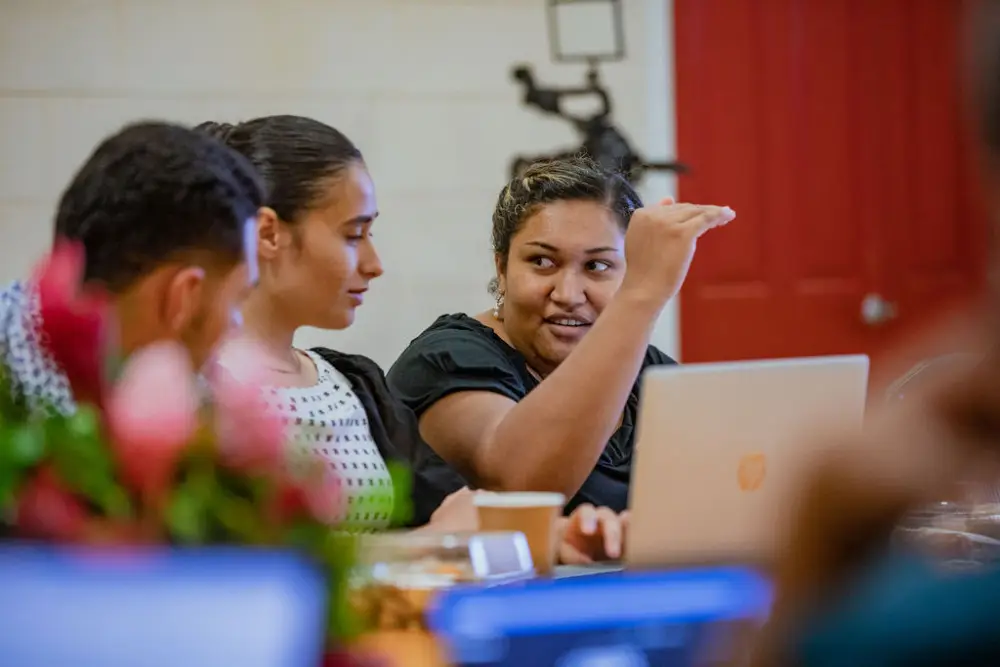
How Electronic Phytosanitary is Empowering Women in the Pacific The electronic phytosanitary certification system, also known as ePhyto, is a technological innovation that is making a significant contribution to gender equality in trade. This digital platform facilitates the certification of plant and food products by eliminating physical paperwork, reducing processing time, and enabling real-time tracking of certification status. One of the critical ways in which ePhyto supports gender equality is by enabling women to participate more fully in international trade. In many countries, women are traditionally excluded from trade-related activities due to cultural and social barriers. However, ePhyto has made it easier for Pacific women to access and participate in the export market by simplifying the certification process and making it more accessible. ePhyto removes the need for Pacific women to travel to and attend to government offices to complete phytosanitary paperwork each time they export/import. This system reduces time burdens, eliminates need to travel, and allows for online activities to be done at a time convenient to women. This system substantially supports Pacific women in engaging fully in trade. The Pacific Agreement on Closer Economic Relations Plus (PACER Plus) has been a crucial driver of ePhyto’s implementation in the Pacific region. PACER Plus is a unique trade agreement that aims to promote sustainable economic development in the Pacific by improving access to international markets. By supporting the adoption of ePhyto, PACER Plus is assisting member parties to increase their competitiveness in international trade while also promoting gender equality. Since September 2022, PACER Plus Implementation Unit provided training to a total of 123 biosecurity officials and exporters from seven member parties: Cook Islands, Kiribati, Niue, Samoa, Solomon Islands, Tonga, and Tuvalu. However, plans to involve stakeholders in Vanuatu, the latest Pacific country to ratify the agreement, have been delayed due to Cyclone Judy and Cyclone Kevin that hit the country this month. Out of all the participants who received training, 42 per cent are women. May Schaaf Vi, Manager Operations for Hihifo Foods, attended the PACER Plus ePhyto Training in Nuku’alofa, Tonga. “In my past experiences, the manual phyto certification generally takes a day or two to process. With ePhyto, processing the certificates will almost be instant which would assist us greatly in exporting and importing goods,” said Ms. Vi. ePhyto is a technological innovation that is having a significant impact on promoting gender equality in the Pacific. By simplifying the certification process and eliminating gender-based barriers to trade, ePhyto is enabling more Pacific women to participate in international trade and access new economic opportunities. More articles like this one
Economic and social impact of labour mobility in Vanuatu
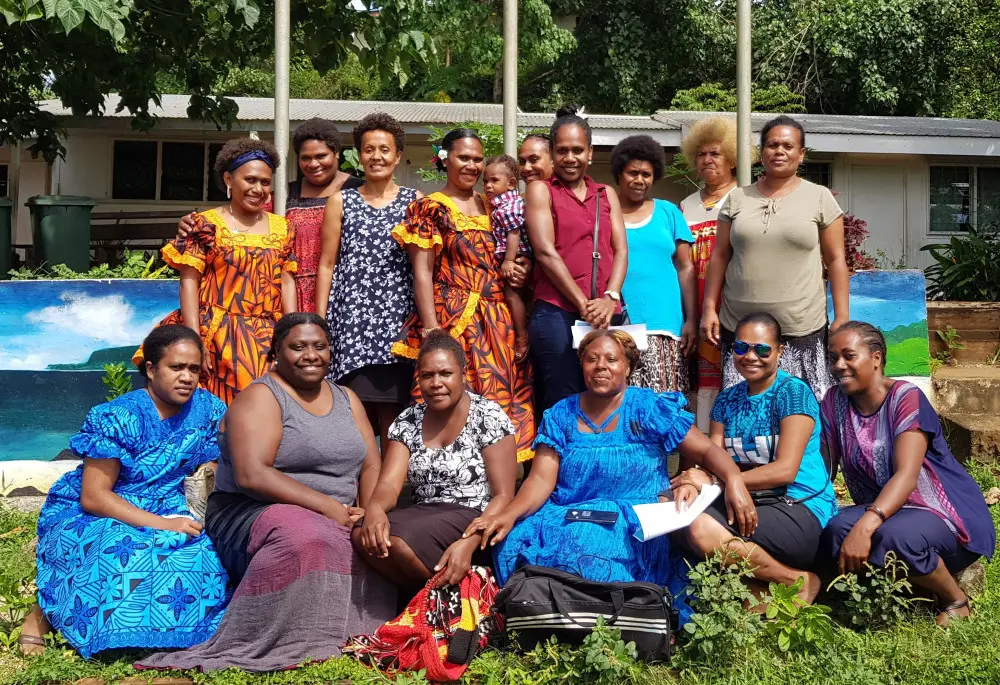
Converting the negatives to positives: Vanuatu Strengthening Seasonal Workers Family Programme (SSFWP) One of the downsides to labour mobility is the negative social impacts on families of workers left behind in their home countries. As Pacific labour mobility programmes are largely dominated by men, the wives are often required to manage the households and take on the roles of both mother and father while their husbands are abroad. Peter Bumseng was one of the first 45 Vanuatu workers to participate in the New Zealand Recognised Seasonal Employer (RSE) scheme. He has participated in the program every year since, and in 2011 he and his wife Regina, established the Strengthening Seasonal Worker Family Program in Vanuatu. In an interview with the Australian National University Development Policy Centre, Mr. Bumseng stated: “It started with my wife who took the families once a month, just on social occasions, like taking a picnic. I found this was helpful in New Zealand, as when the men know their families are happy and being looked after, they perform to the best of their ability in a good working environment. This is how we started and came up with some ideas and programs to look after the families. We know we can only move ahead if the process is right, if the families and communities are right.” The SSFWP is essentially a localised support group for the spouses of the workers. It started with five women engaging in monthly meetings at Peter and Regina’s home, with Regina regularly checking on workers’ spouses to ensure they had support. Peter and Regina would monitor the wellbeing of the workers and their spouses, and when issues arose, they would each provide targeted support to the workers and families involved including through house visits. Since 2011, the SSWPF has significantly grown in membership. Monthly activities continue to bring together families to support each other and share their experiences. The program now also provides new programmes focusing on social, educational, and spiritual support which are fundamental to helping workers and their families cope with the separation and the potential problems associated. The SSWFP also provides counselling programmes for workers and their spouses and have internally developed solutions to address social problems amongst the members. The activities of the SSWFP are self-funded through fundraising activities by the workers and their spouses in Vanuatu. The workers in New Zealand set up a Christian reggae band to raise funds through concerts. The spouses also work together to raise funds through selling food, producing local arts and crafts, and sewing items for tourist and local markets. The proceeds have helped the set-up of a rotation of money scheme where each household is given VT15,000 (AUD189) in their fortnightly meetings. They have also initiated a loan scheme for workers and their families who have set up new businesses. The SSFWP highlights the importance of localised support groups to addressing the negative social impacts of labour mobility. Peter believes that the programme can be replicated in other countries as the challenges are similar. It only takes the commitment of champions such as Peter and his wife to convert the negatives to positive outcomes for the workers and their families. More articles like this one
PACER Plus two years on
This month marks the second anniversary of when the Pacific Agreement on Closer Economic Relations Plus (PACER Plus) entered into force. PACER Plus is a regional development-centered trade agreement designed to support Pacific Island countries to become more active partners in, and benefit from, regional and global trade. Ten Pacific Island Forum countries ratified and have been party to the agreement since its entry into force on 13 December 2020: Australia, Cook Islands, Kiribati, New Zealand, Niue, Samoa, Solomon Islands, Tonga, Tuvalu, and Vanuatu. The PACER Plus Implementation Unit (PPIU), which manages and delivers the work programme, was established in Apia, Samoa last year. PPIU works with Pacific parties to implement activities under PACER Plus. The agreement provides members with a framework to sustainably grow their trade in services and expand participation in key service sectors such as tourism. Sustainable tourism development is a key driver of economic recovery in the Pacific with PACER Plus enabling more transparent and predictable operation conditions for domestic and foreign service providers. With the reopening of Tonga’s international borders, PPIU supported the Tongan tourism industry with training programs on customer service, communications, COVID-19 protocols, and other priority themes identified through a training needs analysis. “The impact of the pandemic on the Tongan tourism industry has been severe but we were pleased that PACER Plus provided the much-needed training to prepare our tourism industry as we welcome the world back to Tonga,” said Ms Lorraine Kauhenga, Deputy CEO at Tonga Ministry of Trade and Economic Development. PPIU was also pleased to support Solomon Islands and Samoa with the ePhyto Capacity Building Workshop attended by exporters and industry stakeholders. The electronic phytosanitary certificate, otherwise known as ePhyto, is a tool that transitions paper phytosanitary certificate information into a digital phytosanitary certificate. This electronic exchange between countries makes trade safer, faster, and cheaper. “ePhyto promotes opportunities to improve bilateral trade in the region and other parts of the world. It will advance trade efficiency by reducing costs associated with bilateral negotiations and reduce fraudulent certificates. The ePhyto system will improve trade thereby improving incomes, creating more employment opportunities, and thereby enhancing economic development,” said Hon. La’aulialemalietoa Leuatea Polataivao Fosi Schmidt, Samoa’s Minister of Agriculture and Fisheries. This year, Samoa hosted the sixth Pacific Labour Mobility Annual Meeting (PLMAM) where more than 150 delegates from government, private sector, international agencies, and stakeholders in the Pacific, Australia, New Zealand, and Timor Leste to discuss labour mobility priorities in the region. “The PLMAM is a significant medium by which we are advancing inclusive regional labour mobility cooperation in the Pacific. This meeting’s theme of ‘Reinvigorating labour mobility cooperation for development’ reiterates the opportunity for all labour mobility stakeholders to re-engage, reset and re-commit to advancing an effective level of cooperation that can enhance mutually beneficial development gains,” said Hon. Leatinu’u Wayne So’oialo, Samoa’s Minister of Commerce, Industry, and Labour. Moving forward, PPIU will focus on exports and broader trade facilitation in the agricultural sector, recovery of the tourism industry, improving cooperation under labour mobility, and implementing activities that focus on enabling PACER Plus parties to meet requirements of importing countries, implementing systems that make trade easier, and promoting export products while establishing business connections across the PACER Plus network. More articles like this one
Leveraging labour mobility for local business development
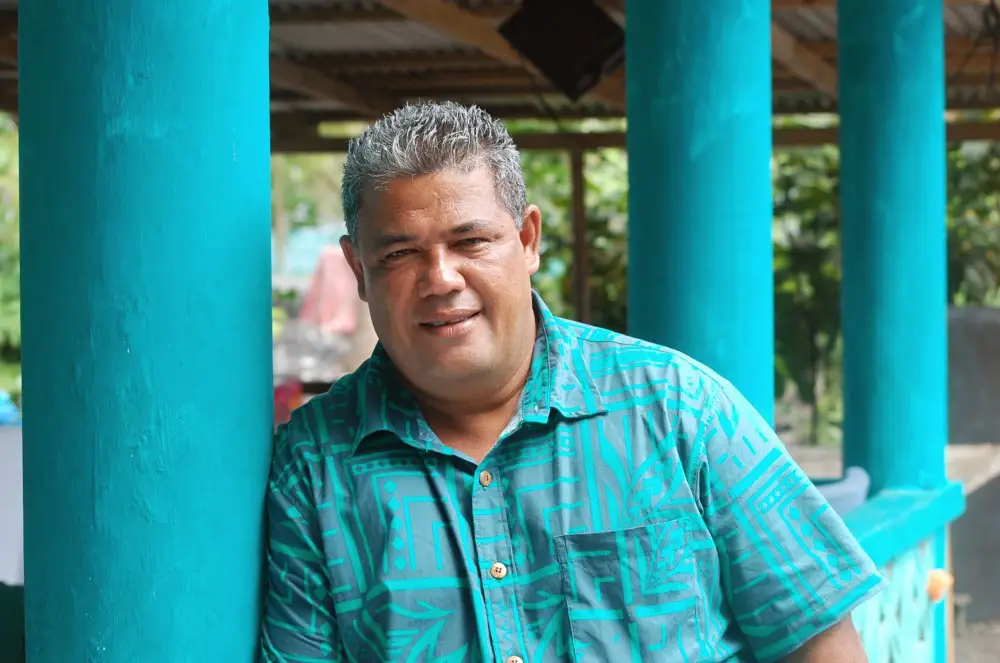
Give a man a fish and you feed him for a day. Teach him how to fish and you feed him for a lifetime. For many, labour mobility provides short-term but necessary support for families and communities back home. For a few, it means a step up to entrepreneurship and a way to support families long term when they return home. In 2008, Tumanuvao Pualele Fiu travelled from his Samoan village, Poutasi to Hastings, New Zealand as one of the first participants of the Recognised Seasonal Employer (RSE) scheme. He held a managerial position at Johnny Appleseed Holdings Limited for several months where he was responsible for overseeing a team of fellow RSE workers from the same village. Like other RSE workers, Fiu left Samoa with an aim to attain tangible outcomes for his family. During this time, he managed to save for, purchase and ship over a vehicle to Samoa. This humble sedan was to be the first step toward Fiu’s entrepreneurship endeavours. Upon his return to Samoa, Fiu started his own taxi service using the vehicle he had shipped from New Zealand. The business began well. Fiu was able to support his family through an arrangement with a well-known resort to ferry clients to nearby attractions. Tragedy stuck however on 29 September 2009 when the tsunami caused major damage to villages and businesses, including resorts, along the south coast of Samoa. Fiu’s taxi was also badly damaged. Despite losing his working vehicle, Fiu was able to use his savings from the RSE to start a brick-making business. The start-up was timely as affected areas of the Samoa south coast were rebuilding homes, churches, and hotels after the disaster. The products manufactured by Fiu’s brick business helped with the rebuild. After establishing the brick-making business, Fiu expanded into commercial fishing. He purchased two vessels and began supplying fish to the local market. Although the venture was successful, the inherent risks associated with fishing such as cyclone threats and basic sea safety caused Fiu to consider returning to port for good to pursue land-based business opportunities instead. He decided to sell the fishing vessels and use the funds to develop land for farming. Fiu now oversees a plantation where he primarily grows taro. His eldest son works on the family farm and assists in transporting the taro to market. Besides the taro plantation and the brick-making business, which is managed by his second eldest son, Fiu has diversified into lawn mowing and hiring out public address system. He employs up to 20 workers from the village through his various businesses. Tuatagaloa Joe Annandale, Founder of Poutasi Development Trust and Falealili Seasonal Workers Scheme, praised Fiu’s RSE journey at the Pacific Labour Mobility Annual Meeting 2022 held in Apia from 7-10 November. “The RSE journey for Tumanuvao Pualele Fiu and his family has gone full circle. Along with his many businesses, Fiu also mentors youths who wish to participate in the RSE scheme. He offers guidance and reinforces the need for participants to be disciplined in their work and life overseas as they are representing their families, village, and Samoa,” said Mr Annadale. Roy Lagolago, Head of PACER Plus Implementation Unit, agrees. “Fiu’s story is one of many encouraging examples of how labour mobility has been transformational for many Samoans and their families. PACER Plus recognizes that labour mobility as a vital trade initiative between Australia, New Zealand, and Pacific Island Countries delivering shared economic benefits across the region,” said Mr Lagolago. More articles like this one
The significance of our visual identity

Since the establishment of the PACER Plus Implementation Unit in 2021, it was crucial that our new logo communicated the Agreement’s values and vision for its Parties and the Pacific. The values that embody the PACER Plus Agreement are community and equity. It is also the Pacific Way. Therefore, with the design of our new logo, we sought the input of all Parties and together we collaborated on the Agreement’s new look. We engaged Pacific designers to submit designs for our new logo. Submissions were sought from the Solomon Islands, Samoa, and Kiribati – PACER Plus members who represent the three sub-regions: Melanesia, Polynesia, and Micronesia. Additionally, discussions with PACER Plus signatories, stakeholders and feedback provided during the design and establishment of the Implementation Unit all contributed to the development of our logo. There was a common thread found in almost every contribution, a thread that we’ve weaved together to create our final logo. But to understand our logo, we must look back in time. Thousands of years ago, our Pacific ancestors journeyed across the unchartered and tumultuous waters of what we now call the Pacific Ocean, deathly navigating an area that is 99.8 per cent water. This was a remarkable feat, and testament to their navigation and the va’a (known in other Pacific countries as vaka, waka, wa’a, drua) or the double-hulled canoe, one of the finest marine vessels ever built. It was, therefore, fitting that the Implementation Unit’s new logo prominently features the va’a, a symbol of Pacific ingenuity, resilience, innovation, and unity. The va’a is a celebration of our proud past and our continual journey towards a better future. The three points on each of our sails represent the three sub-regions that are part of our PACER Plus family – Micronesia, Melanesia, and Polynesia. The sunrise and horizon in the background signifies the dawn of a new era for trade in goods and services in the Pacific under PACER Plus. The blue waves that carry our va’a is in recognition of our Blue Pacific identity, a symbol of a large, unified Pacific carrying this unique trade agreement towards a future where we can end poverty, protect our environment, and improve the well-being of our people. Our new logo weaves together our past, present, and future. It speaks to our commitment as the Implementation Unit to ensure that PACER Plus will provide the platform for economic growth and prosperity for all our people. We are the Pacific. We are PACER Plus. And the Implementation Unit is pleased to present our new logo. More articles like this one
Women and Trade: Addressing gender disparity in Pacific trade
Women’s economic empowerment is everybody’s business. Sustainable, inclusive development requires that everyone, women included, have equal access to opportunities, employment, education, and services and are equally represented in positions of power and decision making. Women account for half of the world’s population, or as Mao Zedong famously said, ‘women hold up half the sky’, yet, they are still under-represented in decision-making and leadership, have lower labour participation rates and in general, receive lower incomes and pays. In 2021, the World Economic Forum calculated that at current rates, it will take 136 years to reach gender parity and a whopping 268 years to close the economic gender gap between men and women. Although the COVID-19 pandemic has dented efforts to achieve gender parity (with the time estimated until this reached increasing from 99 years in 2020 to 136 years in 2021), the economic gap between men and women was already widening, not narrowing, before the pandemic took hold, and our collective failure to address these disparities is estimated to have cost the world US$70 trillion since 1990. Put another way, if we address these disparities, global GDP could increase by up to US$28 billion by 2025. Pacific Island Countries, because of our geographic isolation, relatively small populations and domestic markets, and limited access to resources, are heavily reliant on international trade to service our domestic consumption needs, for economic and employment growth and for sustainable development. Therefore, it stands to reason that making trading easier, both internationally and intra-regionally, should lead to increasing opportunity and, in theory wealth, for Pacific people. However, to truly realise these benefits it is important to ensure they reach everyone, including the more vulnerable, such as women and people with disabilities. Enter PACER Plus, a unique development-centered trade agreement designed by the Pacific and for the Pacific to stimulate economic growth by becoming more active partners in, and benefit from, regional and global trade. Samoa and eight other countries are currently parties to PACER Plus or the Pacific Agreement on Closer Economic Relations Plus. The Agreement is taking steps to address the challenges Pacific women face in trade participation by incorporating gender considerations. PACER Plus calls for capacity-building to implement a trade and gender development policy, assistance for a data collection on women engaged in the primary sectors in agriculture, and assistance to facilitate establishment of women-led industries and investment-related assistance. “This is a critical component of our work, and we continue to explore opportunities with our communities in the Pacific on how we can support and elevate women in the trade space,” said Roy Lagolago, Head of the PACER Plus Implementation Unit in Apia, Samoa. But there’s a great deal of work to be done as there are pronounced, pre-existing gender disparities in labour participation, employment, and income. In Samoa, for example, only 23% of women participate in the labour force, compared to 58% of men (according to The Asia Foundation) and occupational concentration by gender is common across the region, with women’s employment concentrated in the services and informal sectors than men. Most businesses are owned and managed by men, and women-led businesses tend to be smaller, younger, have less capital and under-developed networks, which all serve as barriers to engaging in international trade. Women also have less time to devote to developing their business, traveling to meet with customers and less flexibility to work outside of business hours because they carry most of the household domestic burden. While these barriers prevent women-led businesses from expanding, it is also these smaller, less flexible organisations which stand to benefit the most from reforms to trade policies, greater transparency, digital transformations, and the automation of customs procedures. “We at the PACER Plus Implementation Unit want to ensure that women’s voices are heard in trade. Pacific women’s increased participation in trade would not only benefit them but would benefit our economy and society as well. It’s a win for us all,” said Lagolago. * Melissa Collins is the Gender Equality, Disability and Social Inclusion (GEDSI) Adviser with PACER Plus Implementation Unit. For more information on the Agreement, please visit pacerplus.org More articles like this one
Lagolago appointed Head of PACER Plus Implementation Unit

Samoan-New Zealand National Roy Lagolago has been appointed Head of the PACER Plus Implementation Unit. He will take up an initial two and a half year term to guide the implementation of the region’s most comprehensive trade and investment agreement. Mr Lagolago takes up the role as the Pacific region has been severely impacted by the COVID-19 pandemic. Pacific Island Countries are increasingly looking towards regional collaborative approaches to support recovery from the impact that COVID-19 has had on Blue Pacific economies, and to build a more prosperous and resilient future for the Parties. The decision was welcomed by PACER Plus Ministers, via communique on 30 June 2021. “We welcome the appointment of … Mr Roy Lagolago, who has extensive experience in supporting trade facilitation in the Pacific. We look forward to working with him to ensure all PACER Plus members make the most of the Agreement in the pursuit of economic integration and cooperation in the region.” PACER Plus, as a regional development-centred trade and investment agreement, will play a central role in Pacific island countries accessing regional and global trade. Speaking after the Virtual Trade Ministers’ Meeting on 7 July 2021, Mr Lagolago said: “I feel very honoured as a Pacific Islander to have been given the opportunity to serve and guide the implementation of PACER Plus. I look forward to working with the Parties’ governments, Island business communities and investors to maximise opportunities for growth, creating jobs in the Pacific. In a time of many challenges, I hope to create a platform for Forum Island Countries to deepen their relationships further and work together towards greater prosperity for the region.” Mr Lagolago has already begun in his role heading the Implementation Unit. The PACER Plus agreement entered into force on 13 December 2020. Eight countries are currently Parties to the Agreement: Australia, Cook Islands, Kiribati, New Zealand, Niue, Samoa, Solomon Islands and Tonga. Download as PDF document More articles like this one